Let's start with the good news
Yes. You can use a lemon vibrator during pregnancy. Full stop. Pleasure doesn't have an expiration date when you get pregnant, and orgasms are not a threat to a healthy pregnancy. In fact, the reverse is often true: staying connected to your body and your pleasure during pregnancy is part of good self-care.
That said, pregnancy changes things. Your body is different. Your sensation thresholds shift. And a few practical considerations matter. Let's walk through what those are.
What pregnancy actually does to your body and pleasure
Pregnancy floods your system with hormones that change blood flow, tissue sensitivity, and arousal patterns. For some people, this means heightened sensitivity and more intense orgasms. For others, it means everything feels muted or uncomfortable. Both are completely normal.
Your pelvic floor also changes. It gets more blood flow, which can make stimulation feel stronger. Your clitoris may swell slightly. Your vaginal pH shifts, which affects lubrication and comfort. None of this makes vibrators unsafe. It just means you might need to adjust how you use them.
Here's the crucial part: orgasms themselves do not cause miscarriage in a healthy pregnancy. Contractions from orgasm are different from labor contractions. Your uterus is sealed by a mucus plug. The baby is protected by amniotic fluid and the amniotic sac. Science is very clear on this.
When you should pause and ask your provider
There are a few situations where you want to talk to your OB or midwife before using any vibrator. If you're experiencing any of these, check in first:
- Spotting or bleeding during pregnancy
- History of miscarriage or previous preterm labor
- Placenta previa or placental abnormalities
- Incompetent cervix
- Signs of preterm labor (regular contractions, fluid leakage)
- Your provider has specifically restricted sexual activity
In most of these cases, your provider might say yes anyway. But the conversation matters. They know your specific situation.
The actual safety considerations with lemon vibrators
Lemon clitoral vibrators are actually excellent for pregnancy pleasure because of how they work. They use suction and gentle pulsing rather than aggressive penetration or intense vibration. Here's why that matters when you're pregnant.
First, suction-based stimulation (like lemon vibrators and similar clitoral suckers) is less likely to cause cramping or discomfort than traditional vibrators with aggressive thrusting or high-intensity vibration. Your pelvic floor is already working harder during pregnancy. A gentler approach respects that.
Second, you're not inserting anything into your vagina, which eliminates any risk of infection or mechanical irritation to the cervix. That's a genuine plus during pregnancy.
Third, lemon vibrators give you total control over intensity. You can start low and adjust on the fly. As your body changes month to month, you can match your tool to what feels good that day.
How to adjust your technique during pregnancy
Start lower than you normally would. If you usually cruise at intensity level 5, try starting at 2 or 3. Your sensitivity is heightened, and what felt mild before might feel intense now. You can always turn it up.
Take longer breaks between sessions. Pregnancy is not the time for marathon pleasure marathons. Shorter, more frequent sessions tend to feel better than one long push.
Use plenty of lubrication. Pregnancy changes your natural lubrication, and you might need more help than usual. Water-based lube is your friend here. It's safe, compatible with lemon vibrators, and doesn't interfere with anything.
Pay attention to cramping. Mild afterglow sensations are normal. If you're experiencing sharp pain or sustained cramping that doesn't ease within a few minutes, stop and reach out to your provider.

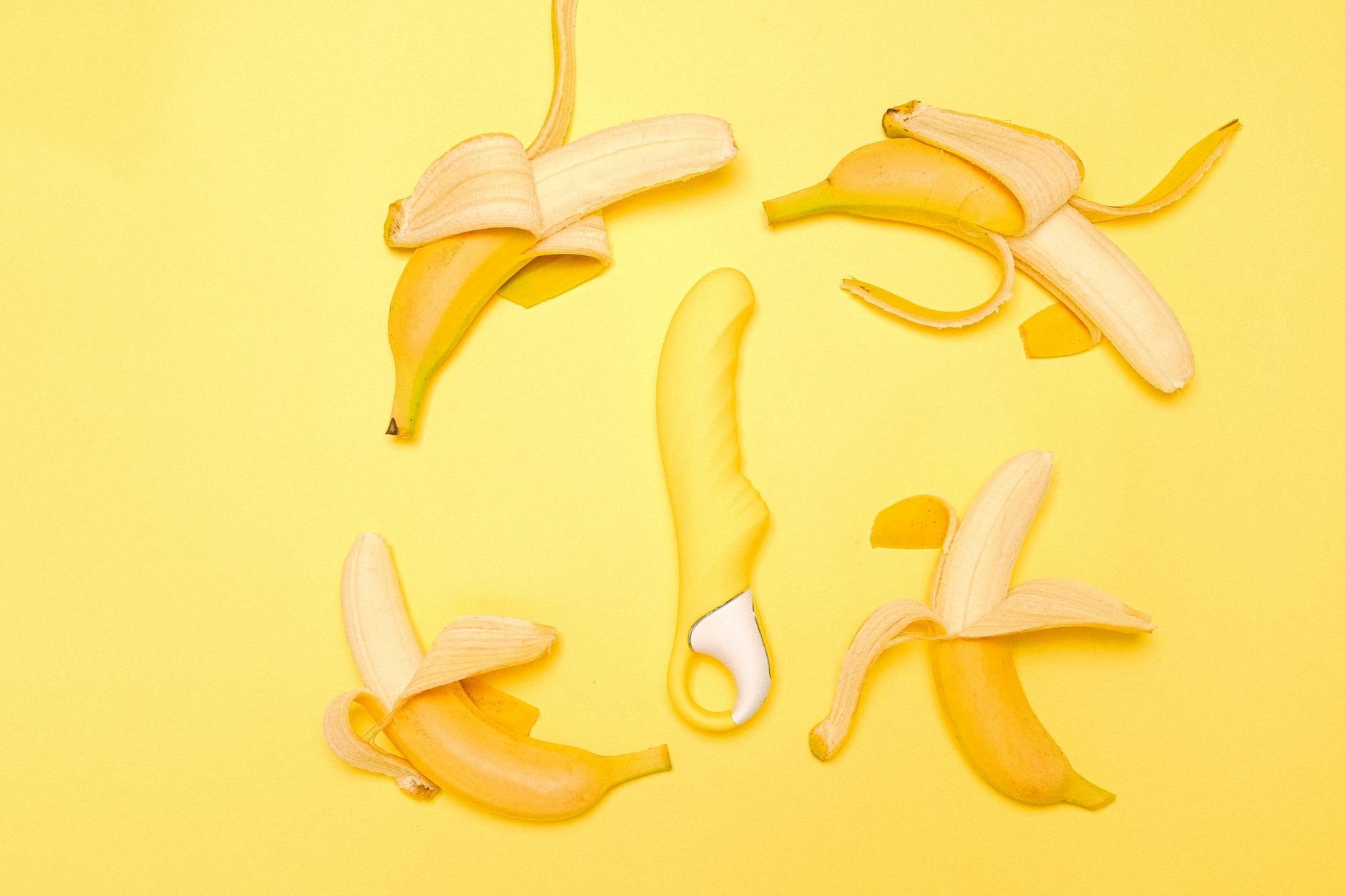
Photo by Madison Inouye on Pexels
What changes trimester by trimester
First trimester: You're likely tired and possibly nauseous. Pleasure might feel less appealing. That's completely normal. When you do want it, keep sessions short. Your body is working hard on the inside even if nothing shows on the outside.
Second trimester: This is often the sweet spot. Nausea usually fades, energy returns, and sensitivity is heightened without being overwhelming. Many people find their best pregnancy pleasure happens here. Your belly is bigger, which might affect positioning, but lemon vibrators work in almost any position because they're handheld.
Third trimester: Comfort becomes everything. Your belly is large, you're tired, and your center of gravity has shifted. You might need more lubrication. Lying on your side or semi-reclined tends to work better than flat on your back. The good news is that clitoral stimulation doesn't require deep penetration or complex positioning. A lemon vibrator is genuinely one of the easiest tools to use comfortably as you approach your due date.
Pleasure and connection with a partner during pregnancy
If you have a partner, pregnancy is an opportunity to rethink pleasure together. Some couples find that using a lemon vibrator becomes a shared experience. Your partner can hold it, can pay attention to your responses, can be present in a way that deepens intimacy.
Other couples find that solo pleasure becomes more important during pregnancy. Your body is not entirely your own for nine months. Taking time to reconnect with your own pleasure, on your own terms, is a form of self-care and autonomy that matters.
Both are valid. The conversation between you and your partner about what feels right is more important than any rule about what you should want.
After birth: the reset
Your provider will likely clear you for penetrative sex around six weeks postpartum (longer if you had a tear or C-section). Clitoral stimulation is often safe earlier, but check with your provider. When you do return to lemon vibrators or any toy, remember that your body has changed again. You might feel tender. You might need even more lubrication than during pregnancy. You might feel almost numb for a while. All of this is normal and usually temporary.
Many people find that gentle clitoral stimulation with something like a lemon vibrator is exactly what helps them reconnect with their body after birth. It's low-pressure, you control the pace, and you can stop anytime you need to.
The bottom line
Lemon vibrators are safe during pregnancy for most people in most circumstances. They're gentler than many alternatives, they give you control, and they work in almost any position. But your pregnancy is unique. Your provider knows your history and your specific situation. A quick conversation can turn general information into personalized guidance that actually fits your life.
Your pleasure matters during pregnancy. You deserve to feel good in your body. That doesn't stop when you get pregnant. It just gets a little more intentional, and a little more about paying attention to what your changing body is telling you.
People also ask
Is it safe to orgasm during pregnancy?
Yes. Orgasms are safe during a healthy pregnancy. The contractions your uterus experiences during orgasm are different from labor contractions, and they don't trigger miscarriage or early labor in healthy pregnancies. If your provider has restricted sexual activity due to specific complications, follow their guidance. Otherwise, orgasms are not only safe but can be beneficial for mood, stress relief, and maintaining connection to your body.
Can vibrators cause miscarriage?
No. Vibrators do not cause miscarriage in healthy pregnancies. Miscarriage is typically caused by chromosomal issues, infections, hormonal problems, or physical abnormalities. Vibration, sexual activity, and orgasms are not causes. If you're worried about specific complications, talk to your provider, but vibrators themselves are not a risk factor.
What type of vibrator is safest during pregnancy?
Clitoral vibrators like lemon vibrators are generally considered the safest option during pregnancy because they don't involve penetration, don't create the same kind of intense pelvic floor engagement as some other toys, and give you precise control over intensity. Avoid anything that involves deep penetration or aggressive thrusting. Stick with external stimulation and lower intensity settings than you normally use.
Do I need to use more lube during pregnancy?
Most people do, yes. Pregnancy changes your natural lubrication production, and tissues are often more sensitive. Water-based lube is safe, compatible with all vibrators, and gives you the extra glide your body might need. It's not a sign that something is wrong. It's just a practical adjustment for a changing body.
Can I use a lemon vibrator in the third trimester?
Absolutely. Third trimester is often when comfort matters most, and a handheld external vibrator like a lemon clitoral vibrator is one of the easiest tools to use when you're large and uncomfortable. You don't need complex positioning. You can use it lying on your side, semi-reclined, or however feels best. Start with lower intensity and use extra lube. Pay attention to cramping, but in a healthy pregnancy, this is a perfectly safe option.
What should I do if I feel cramping after using a vibrator?
Mild afterglow cramping is normal and usually fades within a few minutes. If cramping is sharp, sustained, or accompanied by spotting or fluid leakage, stop and contact your provider. This is unlikely with gentle clitoral stimulation, but it's worth knowing the difference between normal sensation and something that needs attention. Most people have no issues, but your provider is the best resource if something feels off.