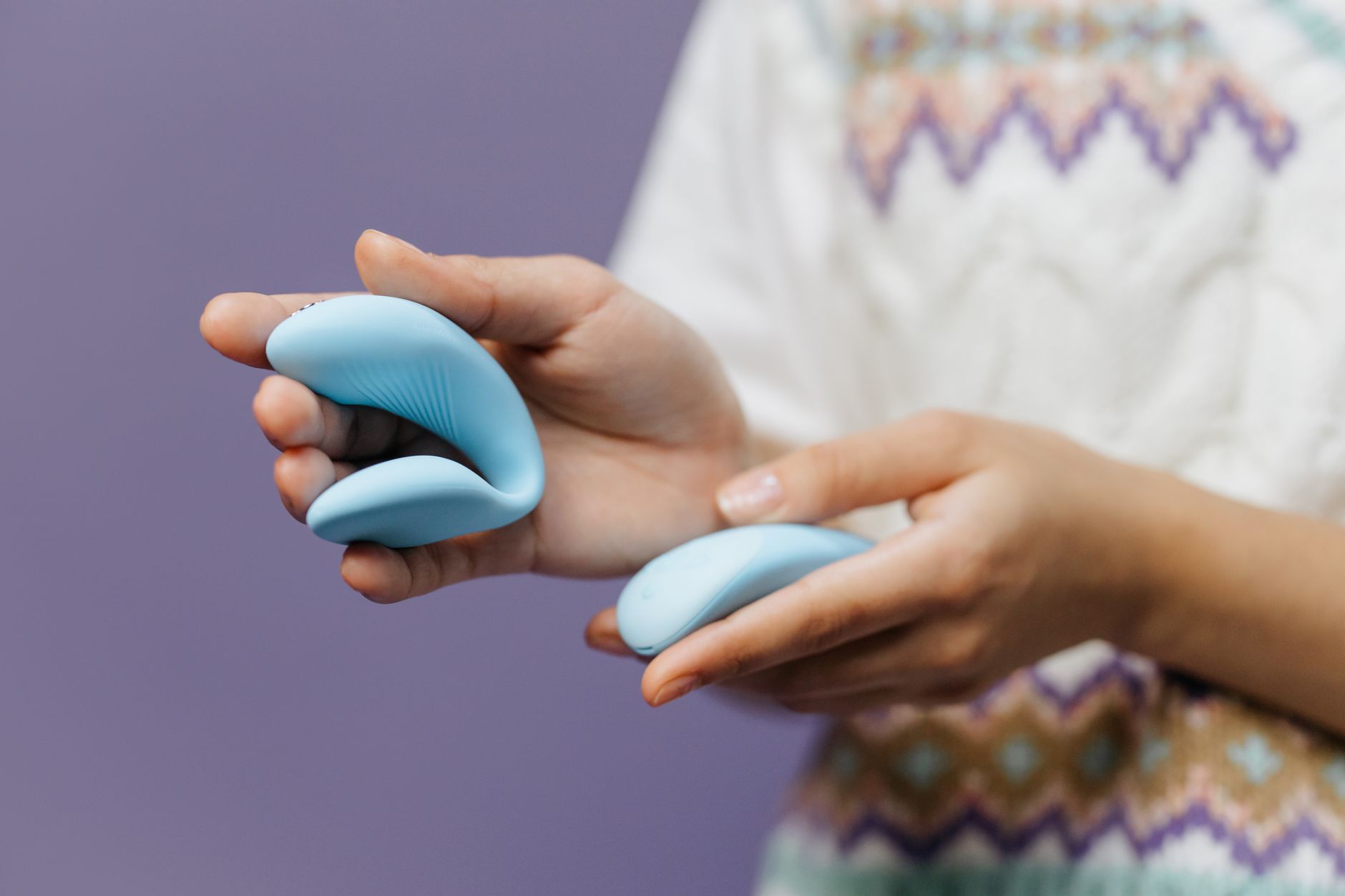
Let's name what actually happens
After a real fight with your partner, arousal doesn't just dip. It vanishes. Your nervous system is still activated from the conflict, your brain is running worst-case scenarios, and your body has basically decided that pleasure is unsafe right now. That's not a bug. It's a feature. Your system is protecting you.
But here's the thing: once you understand that desire doesn't come back on its own after conflict, you can actually restart it.
Why conflict kills arousal at a neurological level
When you're in conflict with a partner, three things happen simultaneously. Your amygdala (threat detection) fires up. Your prefrontal cortex (decision-making, rational thought) goes quiet. And your vagus nerve, which manages your whole "rest and digest" response, gets stuck in sympathetic overdrive. You're in fight-or-flight mode.
Arousal requires the opposite state. It needs parasympathetic activation. It needs your body to feel safe enough to open, relax, and be vulnerable. After a conflict, especially one that touched on intimacy, rejection, or feeling unheard, your nervous system has learned that connection might hurt.
This is why waiting for desire to "come back naturally" after a bad fight rarely works. Your body won't reset unless you actively signal safety. Solo pleasure, especially with a tool like a lemon vibrator, is one of the most effective ways to do that.
The role of solo pleasure in nervous system reset
When you use a clitoral vibrator alone after conflict, you're doing three things at once. First, you're sending your nervous system the message that pleasure is still available to you, independent of your partner's approval or presence. Second, you're rewiring the neural pathway between conflict and disconnection. And third, you're remembering what your body actually feels like when it's safe.
The lemon vibrator's suction mechanism is particularly useful here because it doesn't require the same mental focus that friction-based stimulation does. The gentle suction creates a rhythm that your nervous system can follow, almost like a somatic reset button. You're not performing arousal. You're just receiving sensation.
Many of my clients report that solo sessions with a clitoral vibrator in the 48 hours after conflict feel clarifying. Not because they're avoiding their partner, but because they're rebuilding the capacity to feel pleasure in their own body first. That capacity is what you bring back to partnered intimacy.
Timing: when solo pleasure actually helps (and when it doesn't)
There's a window. If you try to have partnered sex immediately after a conflict, before you've reset your nervous system, you're likely either performing or feeling resentful. Neither helps. But waiting three weeks for things to "blow over" also doesn't work because you're now habituated to disconnection.
The sweet spot is usually 24 to 48 hours after a conflict. You've had enough distance that the acute pain has softened. You're not in crisis mode anymore. But you haven't started building a narrative that your partner doesn't desire you, or that the relationship is broken.
During this window, one solo session with a lemon vibrator can genuinely change your neurobiology. You're not waiting for your partner to initiate. You're not asking permission. You're taking back your own pleasure, which paradoxically makes it safer to reconnect with them.
How to use a lemon vibrator after conflict (the actual mechanics)
Here's what works practically. Find a private space where you won't be interrupted. This is non-negotiable. Your body needs to know it's genuinely safe.
Start by doing five minutes of something that activates your parasympathetic nervous system first. A warm shower. Slow breathing. Gentle stretching. Something that says to your system: we're not in danger anymore. Then give yourself permission to explore without a destination. No orgasm goal. No performance metric.
Start with the lemon vibrator at low intensity. Patterns 1 or 2. The lower speeds are more forgiving when your nervous system is still recovering. You're not looking for speed here. You're looking for sensation and permission.
If your mind wanders to the conflict, notice it and return to your breath and the physical sensation. This is actually the whole point. You're teaching your nervous system that pleasure and conflict can coexist in your timeline without consuming each other.
Allow yourself 20 to 30 minutes. This isn't about efficiency. It's about genuinely reconnecting with your own capacity for pleasure. If an orgasm happens, great. If not, that's also fine. The goal is presence, not outcome.
What to do (and what not to do) with your partner after solo reset
Once you've done a solo session or two, your nervous system is usually more regulated. Now reconnection with your partner becomes possible. But don't skip the conversation part.
This is where I see couples make the mistake of jumping back to sex as a way to "fix" the conflict without actually addressing it. That doesn't work. Your partner can feel when you're using sex as a band-aid instead of genuine reconnection.
Instead, have a real conversation. Not about who was right. But about what you each needed during the conflict and didn't get. What you're worried might happen next. What kind of touch or connection would actually help right now.
Then, if both of you want to, you can explore partnered intimacy. This is where having already reset your own nervous system matters. You're not approaching your partner from a place of needing them to validate that you're still desirable. You're approaching from a place of "I've reconnected with my own pleasure, and I want to share that with you."
If you want to use a lemon vibrator during partnered sex after conflict, that's entirely up to you and your partner. Some couples find it helpful. It can take the pressure off both people. It can also feel like a way of sharing something intimate that's separate from the conflict itself.
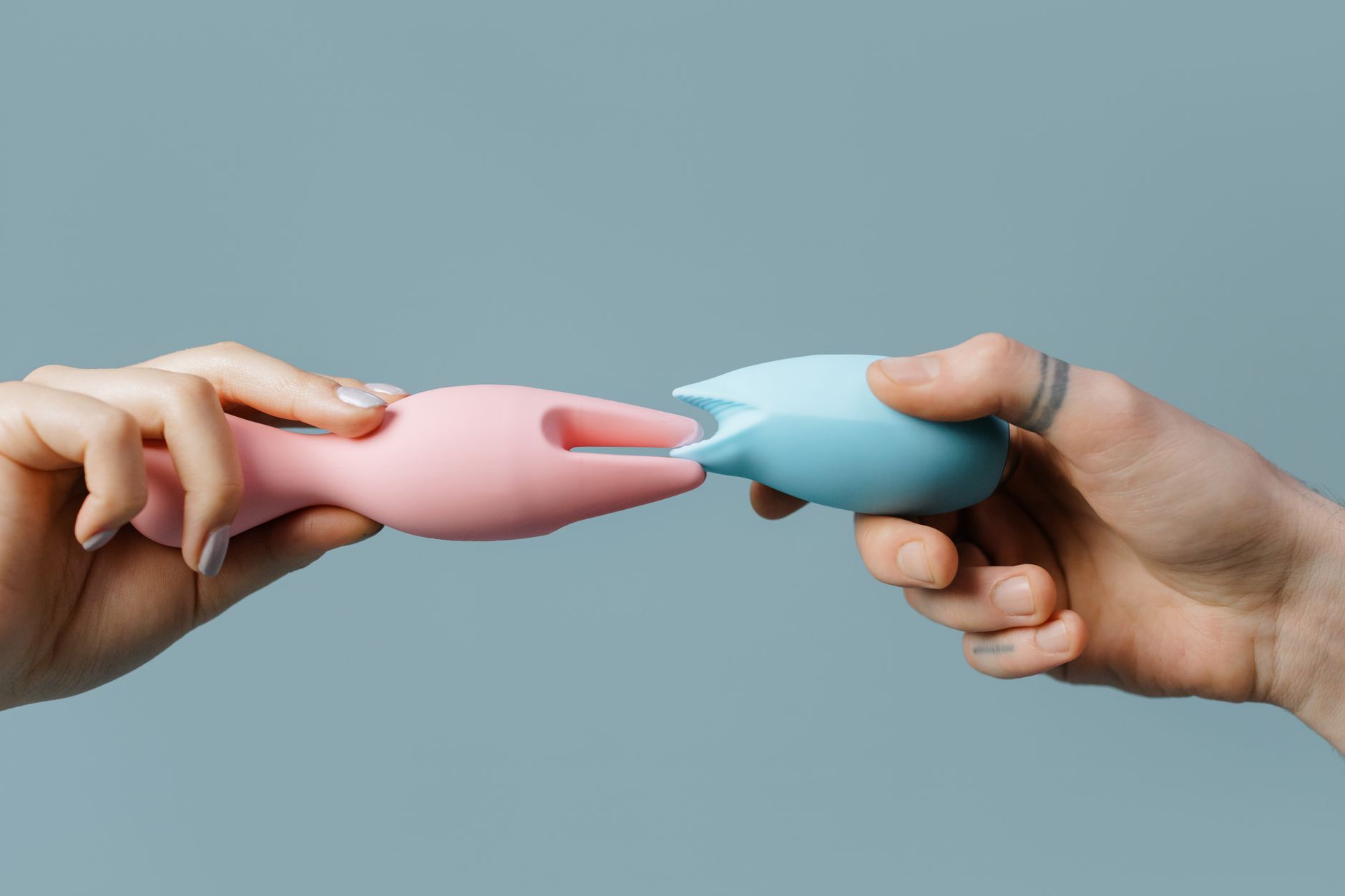
Photo by cottonbro studio on Pexels
The difference between avoidance and healthy reset
Here's what I want to be clear about. Using a lemon vibrator after conflict isn't about avoiding your partner or the problem. It's about getting into a nervous system state where you can actually address the problem.
If you're using solo pleasure as a way to never have the conversation, or to convince yourself that you don't actually care about the conflict, that's avoidance. You'll know because the distance won't shrink. The resentment will compound. And the next fight will hit harder.
But if you're using solo pleasure as a conscious reset, with the intention of reconnecting with your partner after, that's different. That's self-awareness. That's taking responsibility for your own nervous system so that you can show up better in the relationship.
One indicator: after your solo session, do you feel more willing and able to have a vulnerable conversation? Or do you feel more defended? If it's the latter, you might need to explore what's actually going on beneath the surface conflict.
When professional help is the better move
Some conflicts are too big for a solo reset and a conversation to fix. If the fight involved infidelity, emotional abuse, repeated boundary violations, or a fundamental value misalignment, pleasure tools aren't the answer. Professional therapy is.
Similarly, if desire has been missing for months and conflict is just the surface, that's a signal that something deeper needs attention. Desire doesn't evaporate just because of one fight if the relationship is fundamentally secure.
A good therapist can help you and your partner understand the actual rupture. A lemon clitoral vibrator can help you feel agency and pleasure in the meantime. But they're not substitutes for each other.
FAQ: desire, conflict, and getting back on track
How long does it actually take for desire to come back after a relationship fight?
This varies wildly based on what the fight was about and how much trust was damaged. For minor conflict, 3 to 5 days is typical if both people are actively reconnecting. For bigger breaches, it can take weeks or even months. The key is whether you're both willing to do the repair work. Using a lemon vibrator to reset your own nervous system doesn't speed up the process, but it does prevent you from getting stuck in blame and shutdown during that time.
Should I tell my partner I'm using a vibrator solo after we fight?
That's between you and your partner and what's healthy in your relationship. Some couples find it helpful to be transparent about it as a nervous system reset tool. Others prefer privacy around solo pleasure. What matters is that it's not a secret you're keeping out of shame. If you feel like you need to hide it from a partner, that's worth exploring.
Can we use a lemon vibrator together right after a conflict to repair?
Not really. Your nervous systems are both dysregulated. Using a pleasure tool while you're still in conflict mode often feels performative to one or both people. Give yourself the reset window first. Then bring the vibrator into partnered play if you both want to. The timing makes all the difference.
What if my partner feels threatened by my use of a clitoral vibrator?
This is a conversation worth having outside the bedroom and outside a conflict. Many partners worry that vibrators mean they're "not enough." The reality is that a lemon vibrator and partnered sex are two different things. One teaches your nervous system that pleasure is available to you. The other is about connection with another person. They're complementary, not competitive. If your partner isn't hearing that, relationship counseling might help.
Is using a vibrator after conflict a sign the relationship is in trouble?
No. It's actually a sign you're being intentional about your own nervous system health. Healthy couples have conflict all the time. What matters is how you repair afterward. Some of the most secure relationships I work with include partners who've learned to reset their own pleasure capacity independently and then come back to each other from a grounded place.
What if I don't want to have sex with my partner again after a big fight?
Listen to that. Sometimes desire doesn't come back because it shouldn't. Your body might be telling you something important about the relationship. A lemon vibrator can help you reconnect with your own pleasure, but it's not a tool to force yourself back into intimacy with someone who violated your trust or boundaries. If you're dreading reconnection, that's a sign you need professional support to figure out what's actually going on.
Bringing it back together
Conflict doesn't have to mean the end of desire. But it does mean you have to be intentional about how you rebuild it. Your nervous system needs safety signals. Your body needs permission. And you need to reconnect with your own pleasure before you can authentically share it with your partner.
A lemon vibrator, used thoughtfully in that 24 to 48 hour window after a fight, can help reset your nervous system and remind you that you're still capable of pleasure, still deserving of it, and still whole even when things are messy with your partner.
The repair work with your partner comes after. But it comes from a much stronger place when you've already done the internal reset.
If you're struggling with recurring conflict that's affecting your intimate life, or if desire isn't returning even after you've had the conversations, reach out. You don't have to figure this out alone. Contact us to talk through what's happening in your relationship.
Your pleasure matters. Your nervous system matters. And so does your relationship. They're not in competition.