Here's what stress actually does to your libido
Your brain doesn't distinguish between a deadline and a threat. When you're running on cortisol and adrenaline, your nervous system is in survival mode. Pleasure, orgasm, intimacy.none of those are survival priorities. So your body quite rationally downshifts desire.
This isn't dysfunction. It's design. The problem is that life stress doesn't usually announce an end date. Three months of back-to-back chaos becomes six, becomes a year. And somewhere in that stretch, you stop expecting desire to show up at all.
Most people assume they need to fix the stress first, then pleasure will return on its own. That logic makes sense. It's also backwards.
Why waiting for stress to disappear is a trap
Stress is rarely a temporary condition in modern life. Work demands, family obligations, financial pressure, health concerns.they don't resolve in neat chapters. Waiting for "low stress" to rebuild your sex life is like waiting for the perfect moment to exercise. It never comes.
The more useful approach: rebuild arousal and pleasure while managing the stress that's actually here. This sounds counterintuitive, but it works because pleasure itself is a powerful nervous system reset. Orgasm lowers cortisol. Arousal redirects blood flow away from your stress-activated brain. Even mild pleasure signals your body that safety exists.
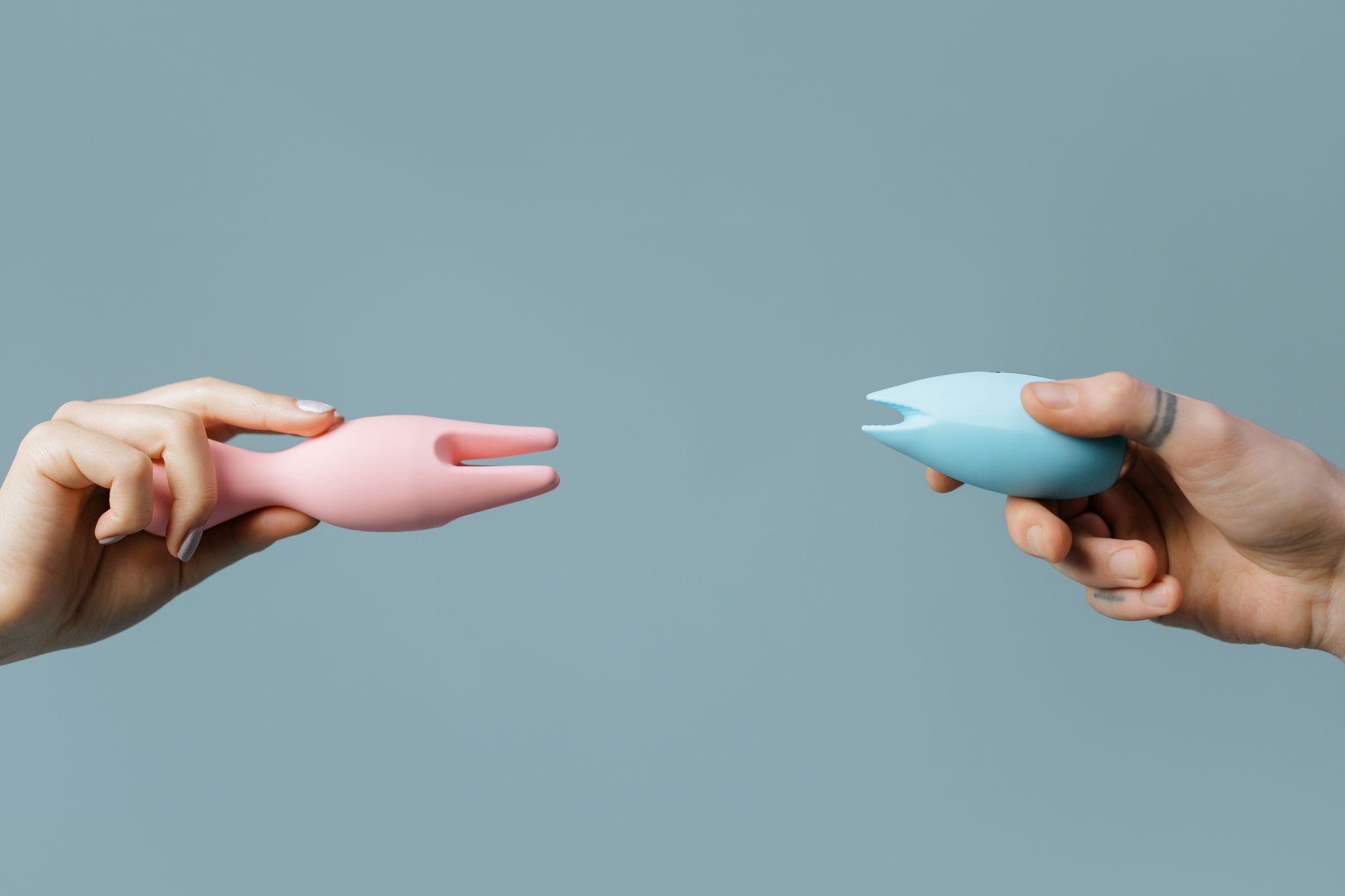
This is where a tool like a lemon clitoral vibrator changes the game. It removes the social performance element that usually loads extra stress onto sex.
Why suction toys work differently under stress
When you're stressed, your nervous system is hypersensitive. Direct vibration sometimes feels overstimulating. Suction stimulation.the technology in a lemon vibrator.works through a gentler mechanism. It creates a soft seal and gentle rhythm that feels less aggressive, more like a partner's tongue.
For someone whose brain is already in overdrive, this matters. You don't need your pleasure tool to feel like another demand on your attention. The Lem's slow pulse patterns let you ease into sensation rather than having it imposed. That consent and control is crucial when stress has eroded your sense of agency.
Second, suction stimulation often feels more whole-body than sharp vibration does. Many people report that even mild suction creates a deeper, more rounded arousal response rather than a localized buzz.
Starting the practice: low-pressure exploration
This is not about chasing orgasm. If you're coming to this from a place of dead libido, making orgasm the goal recreates the performance pressure that stress created in the first place.
Instead, treat this as nervous system recalibration. Here's the practice.
Pick a time when you're reasonably calm. Not when you're about to cook dinner or in the 20 minutes before sleep. Afternoon, or early evening before the day's chaos has fully landed. Build in 20 minutes with no interruptions.
Don't think of this as masturbation. Think of it as a body-check-in. Lie down or get comfortable, start with your lemon clitoral vibrator on the lowest setting, and just notice what you feel. No expectation of arousal. No goal. Just sensation.
Many people find that in the first week or two, there's almost nothing there. That's normal. Your nervous system is still in stress mode. By week three or four, you'll likely notice something shifting.a slight warmth, a whisper of interest, a feeling that your body is remembering something.
That whisper is the win. That's not nothing. That's the beginning of rebuilt capacity.
Weaving this into partnership if that's your situation
If you have a partner, this solo practice often matters more than partnered sex right now. This might sound counterintuitive, but when desire is sporadic and stress-driven, partnered sex often recreates the performance pressure that killed your libido in the first place.
Solo practice with a lemon vibrator teaches your nervous system that pleasure is possible without an audience. It removes the invisible weight of "should" that partners often bring, even unintentionally.
You can absolutely tell your partner what you're doing. Some couples frame this as a separate thing.you're rebuilding your own relationship with pleasure.while also maintaining some emotional closeness in the relationship. Others prefer privacy around this practice, which is equally valid.
The key: this rebuilding phase doesn't require partnered sex to be successful. In fact, pressure to perform for a partner while your stress load is still high often backfires. Solo pleasure with a tool like the Lem gives you agency back. That agency is what stress took from you.
The timing question: when is arousal most likely
Stress response is tied to your circadian rhythm. Cortisol peaks in the morning and gradually falls through the afternoon. Most people find that late afternoon or early evening is when their nervous system is most receptive.
You might also notice that arousal comes easier on days when you've moved your body.a walk, yoga, anything that metabolizes some of the stress hormones already circulating. Some people find that a few minutes of deep breathing before their practice makes a big difference.
Pay attention to the conditions when you do notice even faint interest. Is it always after you've been outside? After talking to a close friend? After a particular kind of day? Your body is trying to tell you something about what helps it shift out of stress mode.
What you're actually rebuilding
This isn't about becoming instantly orgasmic again. It's about teaching your nervous system that pleasure is safe while you're managing real-world stress.
Each time you show up for this practice, you're sending a signal: pleasure matters. My body matters. Even amid chaos, this deserves attention. That signal compounds. It's not willpower. It's rewiring.
Most of my clients find that after 4 to 8 weeks of consistent low-pressure practice with a lemon clitoral vibrator, desire starts to shift. Not always dramatically. But noticeably. The sporadic interest becomes more accessible. The guilt around "should want this more" starts to dissolve. The arousal becomes less of a mystery and more of a predictable physical response that shows up when conditions are right.
From there, if partnered intimacy is part of your life, you can gradually reintroduce it without the weight of expectation. You already know pleasure is possible. Now it's about integrating that with partnership.
When to reassess
If after three months of consistent practice nothing is shifting, stress might not be the only factor. Sometimes sporadic desire after long stress periods has a physical component.low iron, thyroid changes, medication side effects. If that's true for you, talking to a doctor makes sense.
But most of the time, what people discover is that their body was just waiting for permission to want again. A low-pressure tool like the Lem gives that permission without judgment.
FAQ
How often should I use a lemon vibrator if my desire is low?
Start with twice a week, no more. The goal isn't frequency, it's consistency. Your nervous system needs predictability. Twice weekly for two months teaches your body that pleasure is reliable, which matters way more than daily practice when you're rebuilding from stress-suppressed desire.
Can using a vibrator make my desire permanently sporadic?
No. The opposite is usually true. Solo pleasure with a lemon clitoral vibrator actually tends to increase overall desire over time because it removes the performance pressure and guilt that often kill libido. You're not creating a dependency. You're creating a baseline of regular pleasure that your nervous system learns to expect and build on.
What if I feel guilty about solo pleasure while stressed?
This guilt is often code for "I should be productive right now" or "I should be managing stress in a better way." Pleasure is a form of self-care, not indulgence. Your nervous system needs it, especially when stress is high. Redirect that guilt. Your body needs this as much as it needs sleep.
Does the intensity setting matter when starting out?
Absolutely. Start at the lowest setting, often called pattern 1 or pulse mode. The whole point is gentleness, not stimulation intensity. Your nervous system is already overstimulated by stress. A gentle rhythm from a lemon vibrator at low intensity often works better than anything stronger. You can always increase intensity later when you're more settled.
Should I try to have an orgasm during these sessions?
Not necessarily. Orgasm is a nice bonus if it happens, but it's not the goal. The goal is arousal and nervous system reset. Many people find that when they stop chasing orgasm and just aim for arousal, orgasm actually comes more easily. Your body knows what it needs. Let it lead.
How do I know if this is working?
Watch for small shifts. Are you thinking about pleasure more? Does it take less time to feel something? Does your body feel less numb? These micro-changes mean it's working. Dramatic overnight transformation isn't how nervous system recalibration works. It's steady, often quiet, and then one day you realize your default setting has shifted.
The long view
Stress will probably come back. That's life. But what you're building right now is a relationship with your own pleasure that isn't dependent on stress levels being perfect. You're learning that arousal is possible in the messy middle of real life, not just in calm or ideal conditions.
That's the actual skill. That's what lasts.
Want to talk through your specific situation? Reach out to us. We're here to help you figure out what's actually going on and what might help.