Here's the thing about new relationships and arousal
Everything is supposed to be instant and electric. That's what we're sold. But slow arousal in a new partnership is completely normal, and the pressure to perform interest you don't actually feel yet is a setup for disconnection. Worse, it often gets mistaken for a lack of attraction when it's actually just... how your particular nervous system works.
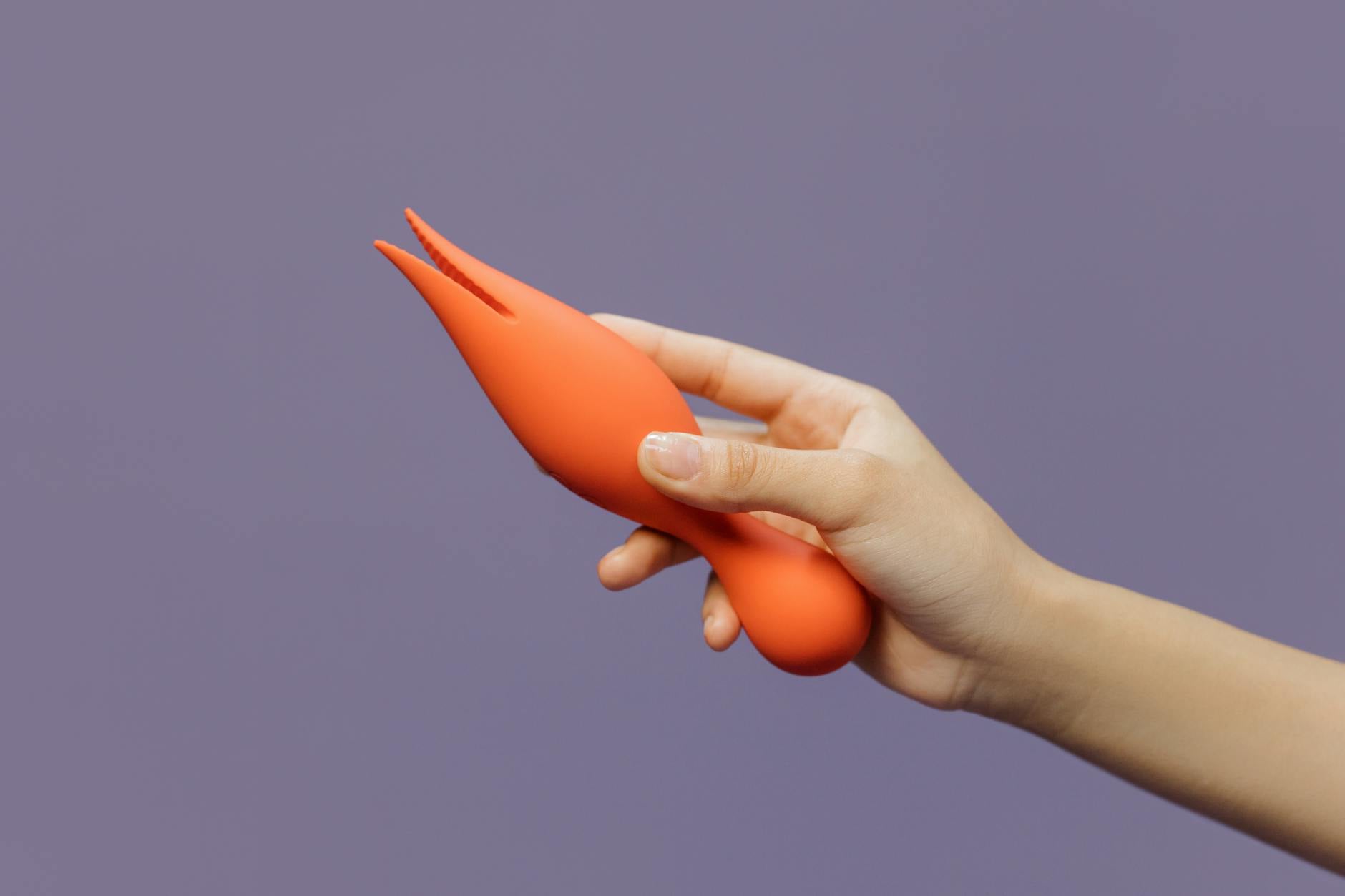
A clitoral vibrator like the Lem changes the dynamic. It removes the performance pressure and lets you explore pleasure on your own timeline while your partner is present.
Why new partner arousal is slower (and that's not wrong)
When you're with someone new, your body is still calibrating. You don't know what touches feel good yet. You're managing mild anxiety about being seen. You're learning their rhythm while also managing your own expectations. That's a lot of simultaneous cognitive load.
Add in the fact that arousal isn't just physical. It's chemical, neurological, and deeply tied to psychological safety. With a partner you've been with for years, that foundation exists. With someone new, you're building it simultaneously with building arousal. Your nervous system knows the difference.
The research backs this: it takes longer for vulva owners to reach arousal with new partners, especially if there's any underlying anxiety about the relationship or body image. That's not a deficiency. It's information.
What a lemon vibrator actually does in this context
A clitoral vibrator serves three functions in a new relationship:
First, it gives you a direct line to your own pleasure. Instead of waiting for your partner's touch to feel good, you're actively generating sensation. That distinction matters. You're not receiving pleasure; you're creating it. Your partner gets to witness that, which is profoundly different from trying to produce it for you.
Second, it eliminates the "am I taking too long" anxiety. The most common reason arousal stalls in new relationships is the mental chatter: "Is he bored? Should I speed this up? Am I supposed to be wet by now?" A vibrator bypasses that spiral. You have a tool that works reliably, which quiets the mental static.
Third, it normalizes the conversation. When you introduce a vibrator early, you're saying plainly: "This is part of my pleasure. I like this. Here's what works for me." That clarity is relationship gold. Partners who can't handle that information early? That's actually useful data about compatibility.
How to introduce it without it feeling like a rejection
Timing matters. The worst moment is mid-sex when things aren't progressing. The best moment is when you're both relaxed, clothed, and not in the middle of trying to have sex.
Say something like: "I've been thinking about bringing something into our physical time together. I really enjoy clitoral stimulation, and I'd like to use my vibrator sometimes. It helps me get to where I want to be faster, and I genuinely enjoy it. I'd love for you to be part of that."
Notice what you're doing there: you're naming the tool, you're naming your pleasure, and you're explicitly inviting them in. You're not saying "I need this because you're not doing it right." You're saying "This is what I enjoy. Here's what I want to explore."
Most partners respond well to that clarity. If they don't, you've learned something important.
The actual mechanics: slow build together
When you're ready to use a lemon vibrator with your new partner, the pacing looks like this:
Start with manual foreplay. Let arousal build for 10-15 minutes. Your partner can touch you, you can touch them. When you feel ready to intensify, introduce the vibrator. You might hold it yourself at first. That gives you control over pressure and pattern, which is crucial when you're still learning what feels good.
Use a lower setting initially. Something like pattern 1 or 2 on a Lem vibrator. Let the sensation build gradually instead of jumping to intensity. Your nervous system will calm down once it learns the vibration isn't overwhelming.
Talk quietly as you go. "That feels good." "A little lower." "Slower." Your partner gets to hear what works, which deepens connection and also gives them direct feedback about your body. Most people find that incredibly sexy.
If you want your partner to hold the vibrator, guide their hand. Show them the pressure you like. That's collaboration, not direction. It feels different, and partners usually appreciate the invite to participate rather than guess.
Managing the arousal timeline within yourself
Here's what I tell couples in my practice: slow arousal in new relationships often involves some self-soothing of anxiety. That's not a vibrator problem. That's a relationship safety problem.
If you're using a lemon vibrator but you're still second-guessing whether your partner is attracted to you, or whether you're "taking too long," the vibrator becomes a band-aid on a communication gap.
Before or after a sexual experience, check in. Ask: "What felt good for you?" Listen to the answer. Share what felt good for you. If arousal is genuinely slower for you as a person (not just with this partner), name that. "I tend to need more time to warm up, and that's normal for me. I'm not bored or unattracted. I'm just how I'm wired."
Partners who hear that and adjust are partners worth keeping.
When to use the vibrator solo first
If this is your first time with a clitoral vibrator, or your first time with a new partner, use it alone a few times first. You want to know what patterns feel good, what pressure level suits you, and how your body responds. That knowledge makes the shared experience way less anxious.
Spend 20-30 minutes exploring. Start at the lowest setting. Move the vibrator around your vulva. Notice what makes you contract or tighten (tension, not always pleasure). Notice what makes you relax and open. Some people prefer direct clitoral contact. Others like stimulation to the sides of the clitoris or the pubic mound.
Once you know your map, you can guide your partner. And you'll be way less in your head during partnered sex because you already know the destination.
The arousal conversation that actually changes things
If slow arousal is a pattern for you across partners, not specific to this person, it's worth exploring. Are you managing anxiety? Do you have a history of painful sex that trained your nervous system to go slow? Are you managing a higher stress load that's tanking libido?
Those are legit questions for a therapist, not something a vibrator fixes alone. But a vibrator does give you data. If you're using one and arousal still isn't building, there's probably a psychological or relational piece happening that deserves attention.
Conversely, if a vibrator makes arousal easier and faster, that tells you something too: your body can absolutely get there. The friction was just in the pathway. That's information worth knowing.
The long view: slow arousal isn't a flaw
I work with a lot of couples who spent years thinking one partner had a lower libido, only to realize the issue was pacing mismatch. One person wanted 5 minutes of foreplay; the other needed 20. Neither was wrong. They just hadn't communicated clearly or created space for that difference.
A lemon vibrator is a communication tool. It says: "Here's what my pleasure looks like." And it creates permission for your partner to say: "Here's what mine looks like too." That conversation, repeated a few times, is the difference between a relationship that keeps working and one that gradually goes numb.
Your arousal timeline is not a problem to solve faster. It's information about what you need. Use it.
People also ask
Does using a vibrator with a new partner change how they perceive me?
Not in the way you're worried about. Partners who respond negatively to a vibrator are usually managing their own insecurity. A secure partner finds it incredibly hot because it means you know yourself. If your new partner can't handle that, you've learned something important about compatibility before things got more serious.
What if my partner wants to use the vibrator on me but I'm not ready?
Your vibrator, your choice. Say that plainly. "I want to use it myself first" or "I'm not ready for that yet" are complete sentences. A partner who pushes past that isn't respecting you. Make note of that.
How long does it usually take to build arousal with someone new?
It varies widely. Some people need 10 minutes; others need 30. The timeline matters less than the consistency. If it's consistently slow with this person but faster with others, that's about safety. If it's slow across all partners, that might be your baseline. Both are fine. Neither means something is wrong with you.
Can a vibrator help if I'm anxious about being judged naked?
Partially. A vibrator gives you something to focus on besides your body insecurity, which helps. But if anxiety about your body is acute, the vibrator becomes a distraction from the real work, which is building safety in the relationship. Consider both tools: the vibrator and honest conversation about vulnerability.
Should I tell a new partner about my vibrator before we ever have sex?
Yes, eventually. Not necessarily on the first date. But by the time sex is on the table, they should know you use one. That gives them time to adjust mentally and prevents the awkward reveal mid-encounter.
What if arousal stays slow even with a vibrator and clear communication?
Then you might be managing anxiety, stress, or a mismatch in relationship safety that deserves professional support. A vibrator is a tool for pleasure, not a cure for relational friction. If you're feeling disconnected or unsafe, address that. Consider talking to a therapist who specializes in couples work.
Keep the conversation going
Slow arousal with someone new isn't a flaw in you or a reflection of attraction. It's your nervous system being appropriately cautious with someone unfamiliar. Give it time, give yourself tools like a lemon clitoral vibrator, and most importantly, communicate about what you need. That's how real intimacy gets built. If you want personalized guidance on navigating early relationship dynamics, reach out to our team for a conversation.