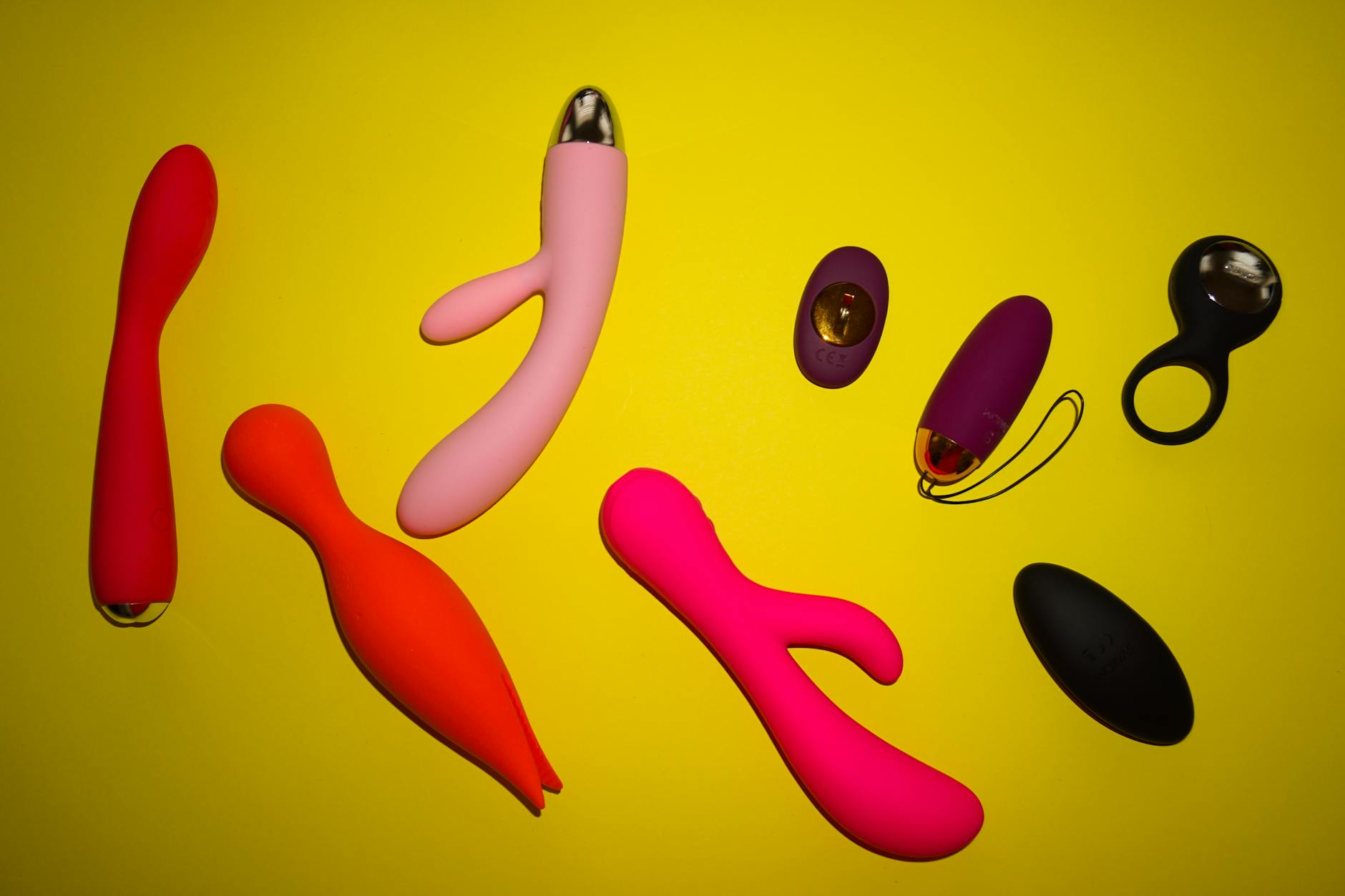
How to Use a Lemon Vibrator After Gynecological Surgery
Your body needs time to heal. Here's the realistic timeline, which settings are safe, and how to ease back into pleasure without compromising recovery.
Gynecological surgery changes your body temporarily. The tissue around your clitoris, vulva, and pelvic floor needs time to rebuild, blood flow to normalize, and sensation to return to baseline. That doesn't mean pleasure is off the table forever. It means timing matters.
Most people assume they have to choose between healing and feeling good. You don't. What you need is clarity on the medical timeline, honest information about what your body is ready for at each stage, and a tool like a lemon vibrator that respects how delicate things are right now.
Here's what happens in your tissues after gynecological surgery. Weeks 1-2 are the acute phase: swelling, pain, and no sexual activity of any kind. Your surgeon will tell you this clearly. Listen to them.
Weeks 3-4 are the critical crossover period. Tissue is still fragile, stitches are dissolving or being removed, and the temptation to "test things out" peaks. Don't. External stimulation, even light touch, can disrupt healing.
Weeks 5-6 is when some light sensation can resume, but only if your surgeon approves and pain levels are manageable. This is where a lemon vibrator becomes relevant, but not yet active.
Weeks 6-12 is the integration phase. Internal scar tissue is forming (this is normal and usually painless, even if sensation feels different). External sensation normalizes, and controlled stimulation can help rewire neural pathways.
After 12 weeks, most people are cleared for normal sexual activity. But "cleared" doesn't mean "sensation is back to baseline." It means tissues are structurally sound. The sensory journey often takes longer.
Traditional vibrators use intense vibration right out of the gate. Even on the lowest setting, they can overload healing tissue. Lemon clitoral vibrators use suction and gentle pulse patterns, which means three specific advantages during recovery.
First, suction doesn't depend on direct friction against your skin. It creates a gentle seal and subtle pressure changes. This means less risk of irritating fresh scar tissue. Second, the pulse settings on lemon vibrators start gentler than traditional vibrators. You can begin with pattern 1 and stay there for weeks if needed. Third, the sensory feedback is different. Suction stimulates in a way that mirrors how your nervous system remembers pleasure without demanding intensity.
Most surgeons don't mention vibrators during recovery conversations, which means you're left guessing. The data is sparse, but clinical observation from people who've used lemon vibrators post-surgery is consistent: suction-based stimulation feels safer, more controlled, and more likely to honor healing than buzzers do.
Assuming your surgeon has cleared you for external stimulation, here's a protocol that honors both healing and desire.
Week 6-7: Visual only, no contact. Hold your lemon vibrator and look at it. Let your brain anticipate sensation without your body being involved yet. This primes your nervous system. Sound strange? It works. Anticipation activates the same neural pathways as actual touch, minus the physical stress.
Week 7-8: Pattern 1, no insertion, 2-3 minutes maximum. Place the lemon vibrator on the lowest setting (pattern 1) and make contact for just under 3 minutes. Not against the surgical site directly, but near it, on areas that feel less tender. Your goal here is sensation mapping, not orgasm. You're teaching your body that pleasure is coming back.
Week 8-10: Pattern 1-2, expanding time. Now you can gradually increase duration to 5-7 minutes. Your clitoris will probably feel somewhat numb, tingly, or different. This is normal. Sensation changes during recovery because swelling affects nerve conductivity. A lemon vibrator's gentler approach helps normalize this without re-traumatizing tissue.
Week 10+: Patterns 2-3, normal use. By now, most people are ready for standard pleasure use. Pattern 4 and 5 usually wait until 12+ weeks post-op, when sensation has fully returned and scar tissue has stabilized.
Your body after gynecological surgery is basically a healing puzzle. You might feel sharp pain in one spot, complete numbness in another, and weird tingling in a third. All of this is typical.
Numbness usually resolves within 3-6 months. Your clitoris has thousands of nerve endings, and swelling temporarily blocks nerve signaling. As swelling goes down and nerves wake up, sensation returns. A lemon vibrator helps with this process because the suction gently encourages blood flow without stressing the area.
Tingling is often a sign that nerves are waking up. It can feel uncomfortable, but it's actually healing. If tingling intensifies or you develop sharp shooting pains, pause vibrator use and check with your surgeon.
Severe pain is the only red flag that should stop you. A little tenderness is expected. Burning pain, pain that radiates, or pain that worsens with stimulation means something is wrong. Call your surgeon.
Post-surgery, your tissue is often drier than baseline. Surgical trauma can temporarily reduce natural lubrication, and some surgeries (especially those addressing endometriosis or fibroids) can affect overall vaginal moisture longer-term.
Always use a water-based lubricant during recovery, even for external-only stimulation. Friction matters more when tissue is sensitive. A little extra slickness makes the lemon vibrator's suction gentler and reduces any drag that might irritate healing areas.
If dryness persists beyond 3 months, bring it up with your surgeon or gynecologist. Sometimes topical estrogen creams help. Sometimes it's just part of post-operative adjustment. Either way, you don't have to white-knuckle through it.
If you have a partner, surgery is a conversation starter that most people avoid. "I'm healing, so we can't have sex" becomes the only thing either of you says about intimacy. That's incomplete.
Here's what I tell my clients: explain the timeline. Tell your partner exactly when stimulation becomes okay again, and in what form. Frame it as excitement. "In 8 weeks, I want to try using a clitoral vibrator and see how sensation is coming back. That's a thing we can do together if you want." This reframes recovery as a shared exploration, not deprivation.
Many partners want to help during healing. They're just not sure how. Giving them a clear role (holding you, offering specific patterns, creating privacy for your recovery process) helps everyone feel less stuck.
Your post-op checkup happens at 2 weeks, usually. By then, vibrator use isn't on your radar and the surgeon won't ask. But if you're planning to reintroduce stimulation at week 6 or later, and something feels wrong, a simple call to your surgeon's nurse can clarify whether it's normal post-op sensation or something to worry about.
Don't be shy about this. Surgeons expect patients to care about sensation and pleasure during recovery. If yours acts weird about it, that's a them problem.
Full recovery isn't just about tissue closing. It's about sensation normalizing, confidence returning, and your body feeling like home again. A lemon vibrator, used thoughtfully and with patience, is a tool for that reclamation. Your pleasure matters during recovery, not after it. Start slow, respect the timeline, and trust your body to tell you when it's ready.
Most surgeons clear external stimulation at 4-6 weeks post-op, depending on the procedure and your individual healing. Some procedures require longer waits. Ask your surgeon for a specific timeline, not a generic one. A lemon vibrator with gentle settings can be introduced earlier in recovery than traditional vibrators because suction causes less tissue stress.
No. Your tissue needs time to stop bleeding and swelling to go down before any external stimulation, even gentle suction. Weeks 1-4 are waiting time. Around week 5-6, if healing is on track and your surgeon approves, you can begin very short, low-intensity sessions. Jumping straight to normal use after surgery risks irritating or re-traumatizing healing tissue.
Not if you follow post-op guidelines and get your surgeon's approval first. In fact, controlled stimulation after healing has begun can support nerve recovery and help you reclaim sensation faster. The key word is controlled. Respecting the timeline and using the gentlest settings actually speeds up your nervous system's ability to normalize sensation.
Clitoral numbness after surgery is extremely common and usually temporary. Swelling and trauma to the area block nerve signaling. As swelling resolves, sensation returns. This process takes weeks to months. A lemon vibrator can help by gently stimulating the area without stressing it, which encourages blood flow and nerve recovery. But patience is key. Pushing through numbness too hard or too fast can interfere with healing.
For post-operative tissue, yes. Suction-based stimulation like a lemon clitoral vibrator creates pressure changes rather than friction. This means less direct mechanical stress on healing tissue. Traditional vibrators rely on rapid oscillation, which can feel intense even on low settings. During recovery, suction is usually the better choice. Once healing is complete (12+ weeks), the difference matters less, and you can use whatever feels best.
If you have a partner and you want to include them in your recovery journey, yes. Frame it as part of healing and exploration together. If you prefer privacy during recovery, that's also fine. What matters is your own comfort and what you need to feel supported. Some partners want to participate in recovery; others want to step back and give space. Have the conversation based on your relationship's style, not because there's a "right" way to do it.
Recovery is a journey, not a destination. Your body will tell you when it's ready. Listen to it.