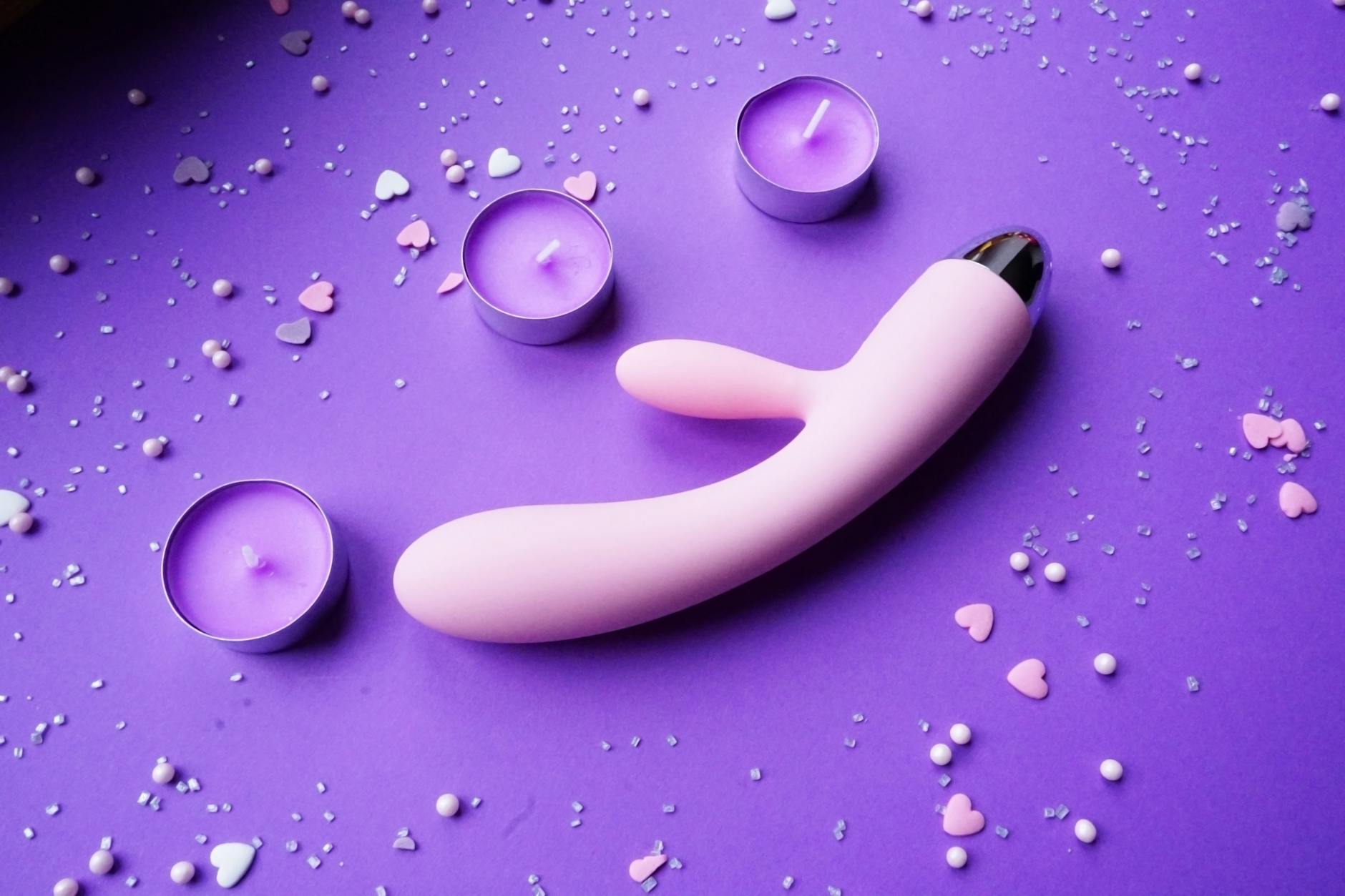
Here's the thing about clitoral sensitivity
A sensitive clitoris isn't broken. It's not a sign that something's wrong with you, and it definitely doesn't mean you should avoid stimulation altogether. What it does mean is that direct, full-force vibration on exposed clitoral tissue can feel overwhelming, sharp, or even painful. The good news is that lemon vibrators, with their specific suction technology, are actually one of the best tools for working with tender clitoral tissue.
Let me explain why, and then walk you through the exact steps to make it work for your body.
Why lemon clitoral vibrators work better for sensitive tissue
Traditional vibrators work through friction and percussion. They buzz directly against your skin. If your clitoris is already tender or reactive, that contact can feel like static electricity on a wound. It's not pleasant.
Lemon vibrators use air-suction stimulation instead. This changes everything. Suction creates a gentle pulling sensation that distributes pressure across a wider area of tissue, rather than concentrating it on one point. For someone with a sensitive clitoris, this means:
Less direct contact. The suction creates a micro-seal around the clitoral area, not direct vibration against the glans itself.
Graduated intensity. You're not choosing between "off" and "intense buzz." A lemon vibrator has 8 to 10 subtle intensity levels, which means you can work in the lower ranges where traditional vibrators don't even register.
Adaptable pressure. Because suction is gentler, you can use it longer without the skin becoming raw or overstimulated.
If you've tried other vibrators and they hurt, a lemon vibrator isn't the same experience. You're essentially switching technologies.
Understanding why your clitoris feels tender in the first place
Clitoral sensitivity usually falls into one of three camps.
Nerve endings doing their job. Some people are simply born with a more reactive clitoris. The nerve density is higher, which means more sensation overall. This is genetic, and it's not rare.
Inflammation from friction or irritation. If you've been using traditional vibrators, rough handling, or infrequent arousal, the tissue can become irritated. This is temporary and fixable.
Hormonal shifts. Thinner clitoral tissue (from menopause, postpartum recovery, or hormonal birth control) means the nerves are closer to the surface. What felt fine at 25 might feel raw at 45. Again, completely manageable with the right tool.
The first step is figuring out which one applies to you. If it's genetic, you're learning to work with your baseline. If it's inflammation or hormonal, you might find the sensitivity diminishes as your body adjusts to gentler stimulation.
The step-by-step setup for a sensitive clitoris
Start with the right lubricant. This is non-negotiable. Use a water-based lube. Silicone lube feels luxurious but can make suction less effective because it's too slippery. Water-based gives you friction without rawness. Apply generously. This isn't the time to be stingy.
Begin at intensity level 1 or 2. Don't test it on your hand first and think "this is barely anything." Your hand has different nerve density than your clitoris. Trust the process. Level 1 on a lemon vibrator is genuinely stimulating to sensitive tissue.
Position the suction cup slightly off-center. You don't need the clitoral glans dead center in the cup opening. Try positioning it so the cup covers the clitoral hood and upper vulva instead. This gives you all the pleasure with less direct pressure on the most sensitive spot. Many people with tender clitorises find this their sweet spot.
Use a timer. Seriously. Set it for 10 to 15 minutes maximum for your first session. Overstimulation isn't about intensity alone. It's about duration. Even gentle stimulation for 45 minutes can leave you feeling raw afterward. You're training your body to experience pleasure, not punishing it.
Build up gradually across sessions. First week, stick to level 1 or 2, 10-minute sessions. Second week, try adding a third session or bumping to level 3. Third week, see if you can tolerate level 4. This isn't a race. You're creating new neural pathways and reducing inflammation simultaneously.
What comfort actually looks like with a lemon vibrator
You should feel pleasure building, not pain decreasing. If you're in a session thinking "okay, the pain is tolerable," you're still in pain territory. That's not the goal.
The goal is sensation that feels good, even if it's subtle at first. Warmth. A gentle thrumming. A building sense of arousal. Your vulva relaxing around the cup rather than tensing.
If you feel sharpness, burning, or a pinching sensation, pause immediately. You've either got the wrong positioning, too much intensity for your current state, or you need more lube. All of these are easy fixes.
Hormonal support while you're adjusting
If your clitoral sensitivity is connected to hormonal shifts, here's what helps. Estrogen supports clitoral tissue thickness and sensation. If you're on hormonal birth control and the sensitivity started after you began it, talk to your doctor about options. Sometimes switching formulations helps. If you're postpartum or perimenopausal, your sensitivity might improve within weeks as hormone levels stabilize, or it might be your new normal. Either way, you adjust.
Meanwhile, topical estrogen creams (available by prescription) can help rebuild tissue thickness faster. A menopause specialist or gynecologist trained in hormonal health can prescribe these. They're not magic, but they're genuinely helpful for people whose clitoral sensitivity is hormonally driven.
When your partner is involved
Use your lemon vibrator together. Show them the intensity level you're using. Let them see that this isn't about intensity. It's about the right type of stimulation. This matters because many partners assume sensitivity equals something they did wrong or something they should "fix" by going harder or longer. You're showing them that you're fixing it together using the right tool.
If your partner is also providing stimulation, ask them to be gentle with fingers. Blunt, broad pressure is better than sharp nails. Slow movements. A lot of lube. The same patience you're extending to yourself.
Real expectations for timeline
Some people see improvement in sensitivity within three to five sessions. Others take two to three weeks. A few find that their clitoris remains sensitive but becomes less painful, which is still a win. The nervous system takes time to learn that stimulation is safe and pleasurable, not threatening.
Don't expect the sensitivity to vanish entirely if it's genetic. What changes is your ability to work with it, to find pleasure in it, and to control the experience yourself rather than letting the pain control you.
FAQ: Using a Lemon Vibrator With a Tender Clitoris
Is it normal for my clitoris to hurt when I use any vibrator?
No, not normal, but incredibly common. Clitoral hypersensitivity or pain during stimulation affects maybe 1 in 10 people, and it's usually fixable. Most of the time it's either the vibrator itself (traditional vibrators are harsh for tender tissue), insufficient arousal (you need longer warm-up time), or not enough lube. A lemon clitoral vibrator addresses all three. Start there before assuming your body can't have pleasure.
Can I use my lemon vibrator if I have clitoral pain from touch?
Yes, but start incredibly gently. If regular touch hurts, you need several sessions at the lowest intensity before you work up. The suction approach still works because it's less acute pressure than a finger or traditional vibrator. Think of it as physical therapy for your nervous system. You're slowly reintroducing the idea that this area can feel good.
How long does it take for clitoral sensitivity to improve?
It depends on the cause. If it's inflammation from vigorous use, three to seven days of rest plus gentle reintroduction can help. If it's hormonal, two to twelve weeks. If it's genetic sensitivity that you're learning to work with, you can feel confident in your approach within two to three weeks of consistent, patient use. The key is consistency and patience, not intensity.
Should I use numbing cream before using my lemon vibrator?
No. You want sensation, just a different kind. Numbing cream defeats the purpose because it blocks your ability to feel pleasure too. You're not trying to eliminate sensation. You're trying to shift from painful sensation to pleasurable sensation. A lemon vibrator does that naturally through its technology, so let it work.
Can a clitoris be too sensitive for any vibrator?
Almost never. What usually happens is that the wrong type of vibrator meets the wrong technique. Suction-based vibrators like the lemon are gentler than traditional vibrators. If a lemon vibrator still feels too intense, you're likely at the right intensity level already (like, level 1 is actually the right setting), and you need more patience with duration rather than changing the device. Some people also benefit from using the vibrator externally, at the vulva, rather than directly on the clitoris.
Does clitoral sensitivity mean my nerve endings are damaged?
No. Damaged nerves usually mean you feel less, not more. Sensitivity means your nerves are working very well. Sometimes too well for comfort, but that's a feature, not a bug. It means you have huge capacity for pleasure once you find the right approach.
The bigger picture
A sensitive clitoris isn't a problem to solve. It's information your body is giving you about what it needs. A lemon vibrator and patience give you the tool and the framework to listen to that information and build genuine, sustainable pleasure from it.
Start low. Go slow. Use lube like your pleasure depends on it, because it does. Your clitoris deserves better than sharp pain or frustration. With the right approach, you'll get there.
If you're struggling after two weeks of consistent, gentle use, reach out so we can troubleshoot together. Sometimes sensitivity is connected to deeper pelvic floor tension or relationship dynamics, and that's worth exploring with someone who knows your full picture.