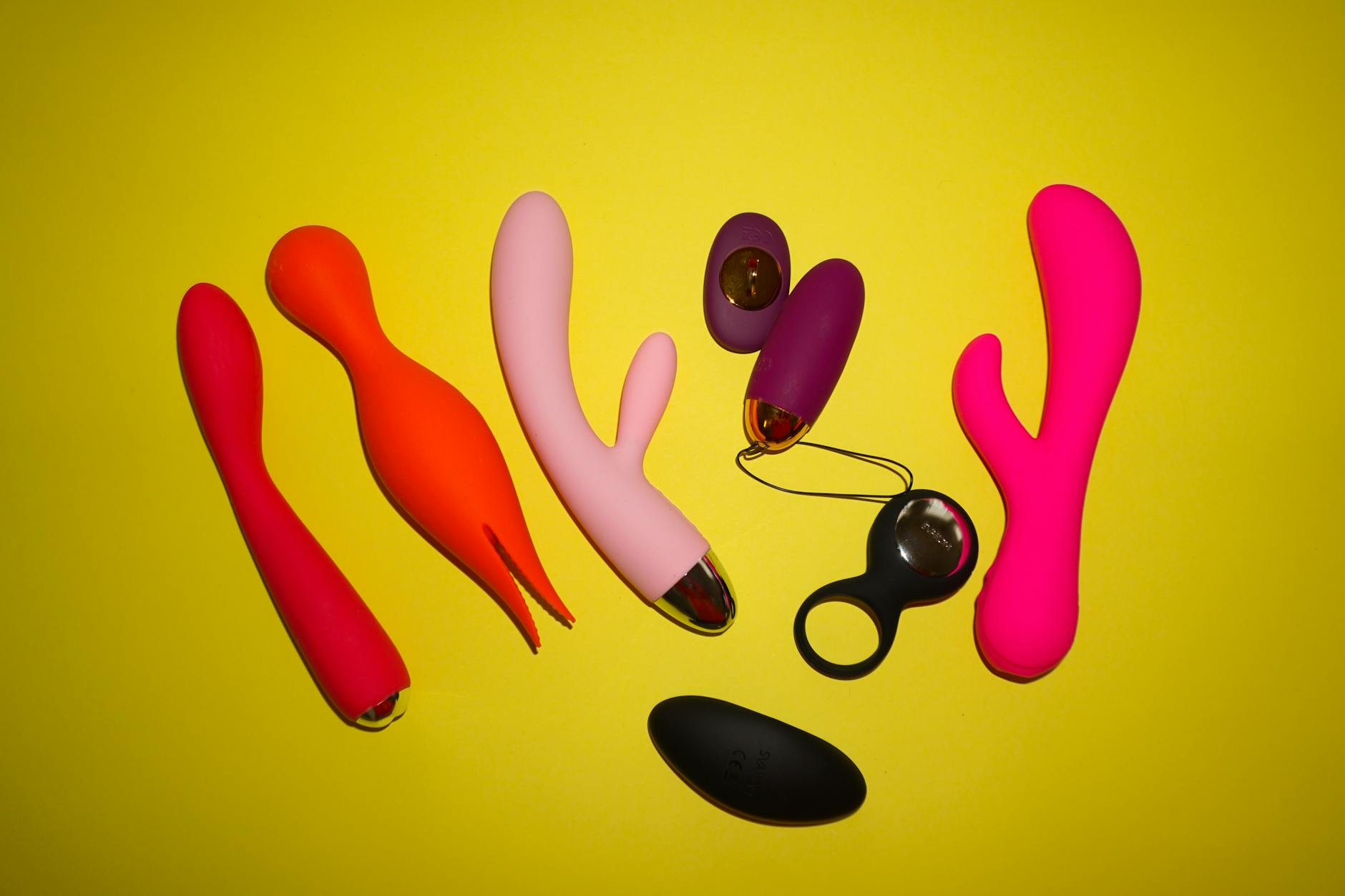
How to Use a Lemon Vibrator When Desire Drops After Medication Change
Let's be real. You started a new medication to manage anxiety, depression, high blood pressure, or allergies. Within weeks, your libido vanished. You're not imagining it. Roughly 40% to 60% of people on SSRIs (selective serotonin reuptake inhibitors) experience sexual side effects. Antihistamines, beta-blockers, and even some antifungals do the same thing. Your brain chemistry literally changed, and your body is telling you sex matters less than it used to. That's the medicine working on your mood. The cost is paid in pleasure.
Here's what nobody tells you: desire loss from medication is not a character flaw, not relationship trouble, and not permanent. But rebuilding arousal when your brain's reward pathways have been chemically altered requires a different approach than just "try harder" or "light some candles."
I'm going to walk you through how medication affects desire, why your body might feel numb, and exactly how tools like the Lemon Clitoral Vibrator can help rewire pleasure when your brain needs help finding it again.
What medication actually does to desire
SSRIs work by increasing available serotonin in your brain. More serotonin means a more stable mood. What it doesn't mean is more dopamine, and dopamine is your pleasure chemical. It's not just about sex. Food tastes less exciting. You laugh less easily. The world feels a bit gray. Sexual desire, which lives downstream of dopamine, gets hit hard.
Antihistamines (allergy meds) block histamine receptors in the brain and body. Histamine triggers arousal, blood flow, and genital sensation. Block it, and arousal becomes sluggish. Beta-blockers for blood pressure reduce adrenaline signaling, which dampens the physical rush of excitement.
The mechanism is different for each drug class, but the net result is the same: your body stopped being wired to want sex. This is not laziness or relationship apathy. Your nervous system was literally deprioritized pleasure in favor of stability.
Why you might feel numb, even with stimulation
You try using a clitoral vibrator. Nothing happens. Or worse, sensation feels distant, like you're touching yourself through a wet suit. This is anhedonia, the clinical term for reduced ability to feel pleasure. It's one of the most demoralizing side effects because the machinery still works, but the experience is muted.
Here's what's actually going on: your genital tissue still has full nerve density. Your clitoral nerves haven't gone anywhere. But the signal from sensation to "that feels good" in your brain has been disrupted. It's like the wire is connected but the lightbulb is dimmer.
For some people, numbness is the dominant feeling. For others, it's not numbness but apathy: you could have an orgasm, and you'd feel maybe 40% of what you used to. You'd rather take a nap. That's also anhedonia.
The three-phase approach to rebuilding arousal
Phase One: Sensation without expectation (weeks 1-3)
Stop trying to orgasm. Seriously. When desire is medication-suppressed, chasing climax adds pressure and frustration to the equation, which kills the delicate work of rebuilding pleasure.
Instead, use your Lemon Clitoral Vibrator or another clitoral vibrator as a sensation tool. The job is not to finish. The job is to notice what you feel, no matter how faint.
Start with the lowest setting. Spend 10-15 minutes with the vibrator just mapping sensation. Where does it feel strongest? Does pressure feel different than movement? What pattern makes your skin react, even if your brain doesn't register "pleasure" yet?
You're rebuilding the neural pathway from sensation to sensation awareness. The pleasure part comes later.
Phase Two: Novelty and curiosity (weeks 3-6)
Once you've mapped baseline sensation, introduce variation. Try different patterns. Lemon vibrators offer multiple rhythm options, so use them. Try applying the vibrator through underwear or while wearing clothes. Change position. Move around the vulva rather than staying in one spot.
Novelty actually does help rebuild dopamine-related desire. Your brain isn't fired up yet, but it gets a little more interested when something new happens.
This is also the phase where you might try the tool with a partner, if you have one. Not for sex. For collaboration. Let them hold the vibrator. Let them try a pattern you wouldn't choose. Novelty + connection can light a small spark when medication has dimmed things.
Phase Three: Integration (week 6 onward)
If sensation has started coming back, if you're noticing small moments of "that feels good," you can slowly build toward pleasure again. But be patient. Medication-related anhedonia often takes weeks of consistent practice before real desire resurfaces.
Use your vibrator as part of foreplay or solo exploration, but keep expectations flexible. Some days you'll feel it. Some days you won't. Both are fine.
The medication conversation you need to have
Here's the thing: sometimes swapping to a different medication fixes the problem. Not always, but sometimes. SSRIs affect everyone differently. You might be wrecked by sertraline but fine on bupropion (which doesn't suppress dopamine the way other antidepressants do).
Other options exist. Lower doses sometimes preserve some sexual function. Adding bupropion on top of an SSRI can restore some dopamine drive. Sexual side effects are not inevitable. They're common, but they're negotiable with your prescriber.
Don't wait years thinking you're broken. Talk to your doctor. Say the words: "This medication has killed my sex drive." They hear it. They can help. It might take a few medication adjustments to find the right fit for both your mood and your pleasure.
Why a clitoral vibrator helps when desire is suppressed
When your brain isn't making the dopamine signal on its own, external stimulation can sometimes bypass that gap. A clitoral vibrator provides sustained, precise sensation that manual stimulation can't match. The suction-based design of a Lemon Clitoral Vibrator is especially useful here because it stimulates the clitoral nerve cluster without requiring you to want anything. You're not waiting for desire. You're creating the physical conditions that sometimes allow desire to show up.
The vibration also creates a feedback loop: sensation feeds into nervous system arousal feeds into a little more dopamine production feeds into a bit more feeling. It's slow, but it works.
This is not the same as desire coming back naturally. But it's a tool to help your body remember what pleasure felt like.
Setting realistic expectations
Your orgasms might never feel exactly like they did before the medication. Some people's do. Many people's don't, especially if they stay on the same med long-term. That's not failure. That's adaptation.
You might need to accept that sex feels different now. Different doesn't mean bad. Some people report that once they stop chasing the old experience, they find a new kind of pleasure that's just... different. More focused on sensation. Less about the climax.
Others find that switching medications or adding supplements (with doctor approval) helps restore more of what they lost.
What matters is that you stop blaming yourself. Medication-induced sexual side effects are biological, not psychological. Your relationship didn't break it. You didn't break it. The chemistry did. And chemistry can shift.
When to loop in a therapist or sex counselor
If you've been on the medication for 3 months, you've done the sensation work, you've talked to your prescriber about alternatives, and pleasure still hasn't returned, a sex-positive therapist can help. Sometimes the mental barrier ("my body feels broken") becomes a bigger problem than the medication itself.
A therapist can also help you navigate the relationship piece if a partner is involved. Medication side effects affect both people. Rebuilding intimacy when desire is suppressed takes conversation, patience, and sometimes professional support.
The long game
Desire doesn't snap back. It builds back. Use your clitoral vibrator as part of that rebuilding, not as a magic fix. Show up to sensation exploration without expectation. Talk to your doctor about the full menu of options. Consider working with a therapist if the mental piece gets heavy.
Your pleasure matters, even when your medication makes it feel less urgent. It's worth the patience and the conversation.
FAQ: Medication, desire, and rebuilding pleasure
Do all SSRIs kill sex drive equally?
No. SSRIs are a class, but they hit people differently. Sertraline is notorious for sexual side effects. Bupropion (technically an NDRI, not an SSRI) rarely causes them. Citalopram and escitalopram fall somewhere in the middle. Your genetics, your dose, and your brain chemistry all matter. If one SSRI wrecks your libido, another might not. Worth trying a different one before giving up.
How long does it take for desire to come back after you switch medications?
Anywhere from 2 weeks to 3 months. Sexual side effects usually start fading once you switch to a med that doesn't suppress dopamine the same way. Some people see improvement in days. Others take weeks. If you've waited 6 months on a new medication and nothing has changed, circle back to your prescriber.
Can I use a vibrator while desire is completely gone?
Yes, and it might actually help. The vibrator isn't relying on desire to work. It's providing stimulus that can sometimes kickstart a small arousal response, even if your brain doesn't feel like wanting sex. You're not trying to want it. You're trying to feel sensation and let your body remember what pleasure is. The desire might follow.
Does the type of vibrator matter when sensation is numb?
It can. A clitoral vibrator with variable patterns and suction-based stimulation gives you more options to find a sensation that cuts through numbness. The Lemon Clitoral Vibrator's multiple rhythm settings let you experiment without buying five different toys. Start low and slow, and let yourself be surprised by what does and doesn't feel good.
If my partner is on the medication and their desire is gone, how do I help?
Don't take it personally, even though it feels personal. This is not about you. Help them talk to their doctor. Don't pressure them into sex or "trying harder" with toys. That adds shame on top of the numbness. Be curious about what sensation does feel good, and explore from there. Sometimes a partner's presence during pleasure-rebuilding is helpful. Sometimes space is what's needed. Ask.
What if the medication is keeping me stable and healthy, even though I've lost my sex drive?
Then you and your prescriber need a real conversation about what trade-offs you're willing to make. Some people decide that mental stability is more important than sexual function, and that's a valid choice. Others find a medication that does both. Some add bupropion or other tools to restore some desire while staying on their SSRI. There's no single right answer, but the choice should be yours, with full information.
References and sources
Goldstein, I., & Burnett, A. (2020). "Sexual side effects of SSRIs and SNRIs." Journal of Sexual Medicine, 17(4), 644-660.
McHenry, J., Carrier, N., & Hull, E. (2014). "Sex and stress." Neurobiology of Stress, 1, 44-48.
American Psychiatric Association. (2023). Diagnostic and Statistical Manual of Mental Disorders (5th ed., text revision). Arlington, VA: American Psychiatric Publishing.
Tianeptine Clinical Trials Group. (2019). "Medication-induced sexual dysfunction." Current Sexual Health Reports, 11(3), 159-167.