Let's be real about medication and sex
Your medication is doing its job. It's stabilizing your mood, lowering your blood pressure, managing your anxiety. And it's also, probably, making it harder to get turned on and nearly impossible to orgasm. This is not a fair tradeoff, but it's the one you've been handed.
Here's what I tell clients: medication-induced sexual dysfunction is a real clinical problem with real solutions. Not positive thinking. Not more foreplay. Real strategies that work with your body instead of against it.
Which medications are the biggest culprits
Not every drug tanks libido equally. Some of the worst offenders:
Antipsychotics (aripiprazole, quetiapine, risperidone) and mood stabilizers (lithium) can suppress dopamine, the neurotransmitter behind desire. Antidepressants (SSRIs especially) delay orgasm or make it impossible entirely. Blood pressure meds, some antihistamines, and hormonal birth control can numb sensation or reduce lubrication. Finasteride for hair loss tanks testosterone in people of any gender.
The brutal part: these are often meds you can't skip. Mental health comes first. But that doesn't mean you have to accept numb, disconnected sex.
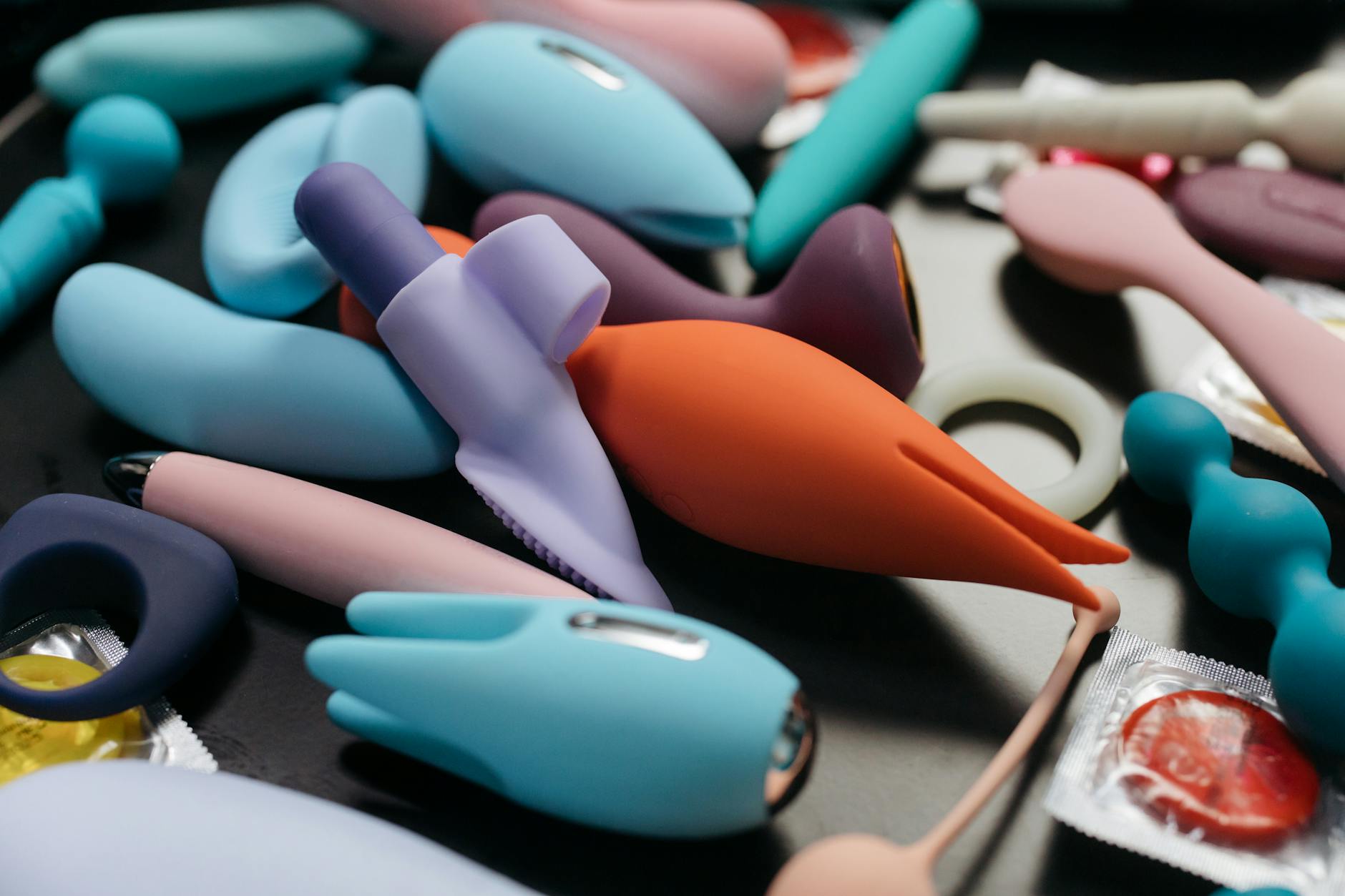
One thing that helps: a lemon clitoral vibrator. Not because it's magic, but because it bypasses the neurological roadblock these drugs create.
How medication actually breaks arousal
Think of arousal as a relay race. The brain sends dopamine signals down the spinal cord to the genitals. Sensory nerves fire back up to the brain. The brain tells the body to lubricate, swell, increase blood flow. Everything loops.
Medications interrupt that loop at different points. SSRIs muffle the signal. Antipsychotics reduce dopamine so the brain barely sends the signal at all. Blood pressure meds shrink blood vessels, so even if the signal arrives, your tissues can't respond the way they're supposed to.
A lemon clitoral vibrator creates stimulation so intense and specific that it can bypass some of these blockades. Suction-based devices like the Lem work better than traditional vibrators for this reason. They're not relying on gentle sensation to build arousal. They're creating direct, focused pressure that activates nerves regardless of your brain's dopamine levels.
It's not poetic. But it works.
The pattern that changes everything
With medication-dulled sensation, intensity matters more than subtlety. Start on the higher settings. I know that sounds counterintuitive. But if your nerve endings are muffled by your medication, gentleness just feels like nothing.
Most people prescribed antipsychotics or certain antidepressants should skip patterns 1 and 2 entirely. Go straight to 4 or 5. Let the vibrator do the heavy lifting. You're not looking for slow-burn arousal. You're looking for focused stimulation strong enough to cut through the fog.
Time also matters. Set aside 30 to 45 minutes. Medication-induced dysfunction almost always means arousal takes longer to build, if it builds at all. That's not a flaw in you. It's the medication's effect on your nervous system. Budget the time. Remove the pressure to "perform" quickly. That pressure is the enemy when medication's already dampening your response.
Lubrication is non-negotiable now
Because blood pressure meds and some antihistamines reduce natural lubrication, you need external lube. Full stop. Not because you're broken. Because medication changes your baseline.
Use water-based lube with a water-based silicone toy like the Lem. It won't damage the toy and it'll feel natural. Reapply as needed. If you're on medications that really tank lubrication (certain anticholinergics, some cancer meds), consider thicker, longer-lasting lubes. A little extra lubrication removes friction that can interrupt arousal further.
One more thing: if you're taking a medication that causes vaginal dryness, talk to your doctor about topical estrogen cream. In many places it's underprescribed because docs assume it's a normal part of aging. It's not. It's often a medication side effect and it's treatable.
What to do if nothing's working
First, don't blame yourself. You're not broken. The medication is creating a real barrier.
Second, talk to your prescriber. There are sometimes alternatives with fewer sexual side effects. Bupropion, for instance, is an antidepressant that doesn't cause sexual dysfunction the way SSRIs do. Buspirone can be added to SSRIs to counteract the sexual side effects. Switching from one blood pressure class to another might help. Your doctor might not bring this up, so you bring it up.
Third, if your current medication is working for your mental health or physical health and the side effects are worth it, that's a valid choice. In that case, the lemon vibrator plus longer sessions plus deliberate lube becomes your workaround. Not perfect. Better.
Fourth, have a conversation with your partner (if you have one) that separates two things: your desire for them and your medication's effect on your nervous system. "I want you and I'm struggling with arousal" is different from "I don't want you." Confusing those two crashes both the relationship and your self-esteem.
The timing reset that helps
Medication kills spontaneity. Accept that. Plan sex instead of waiting for it to happen. This sounds unromantic until you realize planned sex is actually better sex when you're working around a neurological obstacle. You're not waiting for the magical mood to strike. You're creating the conditions for arousal to have a chance to build.
Same goes for masturbation. Schedule 30 to 45 minutes. Use the lemon vibrator on higher intensity. No phone. No distractions. Give your nervous system the best possible shot at responding despite the medication's dampening effect.
People often report that the first orgasm after starting this routine takes weeks. The second one takes days. By week three or four, their body remembers how to respond. It's like retraining a neural pathway.
When to escalate your approach
If you're three weeks into deliberate practice with a lemon clitoral vibrator and nothing's shifted, don't give up. Instead, escalate.
Try combining the vibrator with fantasy or erotic audio. The brain is still part of the loop, even if medication's muffling it. Give your brain something to engage with. Try a different setting or time of day. Some people find their nervous system responds better in the morning. Others need nighttime. Try combining lube with the vibrator differently. Some find that more slickness helps the sensation register.
Most importantly, have a follow-up conversation with your prescriber. Ask about adding a medication to counteract sexual side effects. Ask if there's a different medication in the same class with fewer sexual effects. Ask what the clinical literature says about your specific med and sexual function. Lots of doctors don't bring this up because they assume you won't want to switch meds for sexual reasons. But that's your choice to make.
The bigger picture
Medication-induced sexual dysfunction is more common than anyone talks about. You're not alone. You're not broken. You're taking a medication that's keeping you stable or healthy, and that medication has a side effect. A lemon vibrator, longer sessions, higher intensity, more lube, and conversations with both your partner and your doctor create a real path through this. It's not instant. But it works.
Your pleasure matters as much as your mental health. Both deserve attention.
People also ask
Can I use a lemon clitoral vibrator while taking SSRIs?
Yes, absolutely. SSRIs delay or prevent orgasm for many people, but a lemon vibrator can help. Because these devices create focused, intense stimulation, they can sometimes push sensation through the SSRI barrier. You'll likely need higher intensity settings and longer sessions than you would without medication. Water-based lube helps. Many people find that using the Lem on patterns 4 or 5 works better than lower settings.
Will changing my medication dose help with sexual side effects?
Sometimes. If you're on a high dose of an SSRI or antipsychotic, reducing the dose might help. But that's a conversation with your prescriber, not something to do on your own. Some people find that taking their SSRI at a different time of day (morning instead of evening, or vice versa) reduces sexual side effects. That's also worth asking your doctor about. Switching medications entirely is another option if your current med is working well for your mental health but the sexual side effects are intolerable.
How long does it take for sensation to return after starting to use a vibrator?
It varies widely. Some people notice a shift within days. Others take three to four weeks of regular use before their body "remembers" how to respond. The key is consistency. Using the lemon vibrator sporadically won't help as much as using it deliberately once or twice a week for 30-45 minutes. Think of it as retraining your nervous system, not as a quick fix.
Is it normal to need much higher intensity when on antipsychotics?
Yes. Antipsychotics suppress dopamine, which is fundamental to desire and orgasm. Because of this, your nervous system may need much stronger stimulation to respond. A lemon clitoral vibrator on high intensity can sometimes penetrate that blockade. Pairing it with lube, longer sessions, and partner communication (if relevant) increases your chances.
Should I tell my doctor I'm using a sex toy to manage medication side effects?
You don't have to, but it can help. If your doctor understands that you're taking an active, evidence-based approach to medication-induced sexual dysfunction, they're more likely to work with you on alternatives or additions to your current med. You could frame it as: "I'm taking a medication that's helping my mental health, but it's affecting my sexual response. I'm exploring ways to work around this. Are there other options we should discuss?" That opens the door without oversharing.
Can lemon vibrators help if my medication has completely killed my desire?
Partially. A vibrator can create physical sensation even if your desire is flatlined. But true desire is neurochemical. If your medication has killed dopamine, a vibrator alone won't resurrect desire. However, using a lemon clitoral vibrator on high intensity can sometimes create enough physical pleasure that arousal follows. It's not guaranteed. But it's worth trying alongside a conversation with your prescriber about whether your medication dose, timing, or choice can be adjusted.
What now
Your medication is keeping you alive or healthy. That matters more than sex. But so does your pleasure, your confidence, and your connection to your own body. A lemon vibrator, intentional practice, and honest conversations with your doctor and partner can help you reclaim some of what your medication took away. If you have questions about how to get started, reach out to the Hello Nancy team.