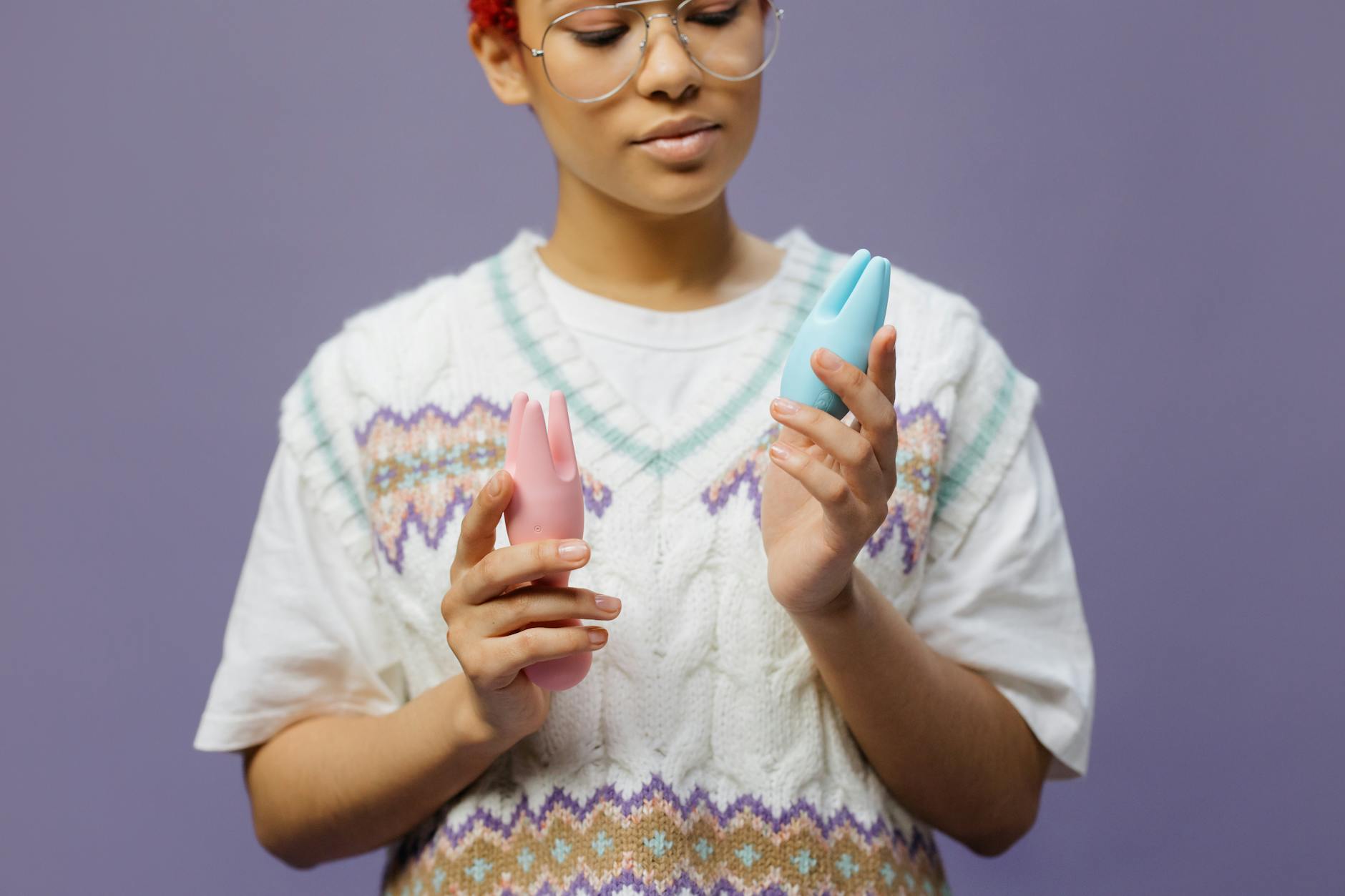
Let's start with what nobody tells you
Somewhere around 40, orgasms change. Not in a catastrophic way. Not "gone forever" way. But noticeably. The buildup takes longer. The intensity might feel different. Sometimes it's less sharp, sometimes less frequent, sometimes a completely different shape than you remember. And because nobody actually talks about this, the first instinct is panic: "Am I broken? Did I break myself? Is this permanent?"
None of those things are true. What's happening is physiological, predictable, and honestly, navigable once you understand the mechanics.
What's actually changing in your body
Three big shifts happen around midlife that directly affect how pleasure feels.
First, your hormones are recalibrating. Estrogen doesn't drop off a cliff at 40, but it does become more erratic. That fluctuation affects blood flow to the clitoris, which means slower arousal and sometimes a different sensation profile during stimulation. Your vaginal tissue gets slightly less plump with fewer blood vessels, which sounds clinical but essentially means your body's natural lubrication system is less efficient and the tissue itself is a touch thinner.
Second, your nervous system is literally changing. The sensitivity thresholds in your clitoris don't shift dramatically, but they do shift. Some women describe their clitoris as feeling "less reactive" around this time, while others find they need different patterns of stimulation to trigger the same response. This isn't your imagination. The nerve density and responsiveness do change with age.
Third, your pelvic floor is under different tension. If you've been doing kegels for years, your pelvic floor muscles are stronger and sometimes chronically more tense than they were at 25. That tightness can change the sensation and intensity of orgasms. Sounds counterintuitive, but a tighter pelvic floor doesn't always feel better. Often it feels more localized, less full-body.
Why this matters for how you choose a vibrator
Tradditional vibrators work through direct vibration. They require your tissues to be responding quickly and efficiently to the stimulation. When arousal takes longer to build and tissue sensitivity shifts, that direct vibration can feel either too intense or not quite hitting the right note.
Lemon clitoral vibrators work differently. They use suction and pulsing, which stimulates the entire clitoral complex, not just the surface. This matters after 40 because suction doesn't depend on the same rapid-response mechanism. It creates sustained pressure and draws blood into the tissue, which compensates for that erratic blood flow I mentioned. You're not relying on fast tissue response. You're creating the response through a different mechanism.
In practical terms, a lemon vibrator can feel more effective after 40 because it's working with what your body is actually doing now, not fighting against what's changed.
How arousal patterns shift and what to expect
Let's be specific about timing. At 25, you might hit arousal in 5 to 10 minutes of stimulation. At 45, that timeline stretches. I'm talking 15 to 30 minutes, sometimes more. This isn't a problem. It's information.
The second thing that shifts is the shape of orgasm itself. Younger orgasms often feel like a sharp peak. They build quickly and crest hard. After 40, many women report that orgasms feel more like waves. Less sudden, more sustained, sometimes with multiple smaller peaks instead of one dramatic release. Some people find this better. Others mourn the old intensity.
Here's what I've seen consistently: when people switch from traditional vibrators to a lemon clitoral vibrator in their 40s and beyond, they often rediscover that sharp intensity they thought was gone. The suction mechanism is powerful enough to trigger a more dramatic response. The shift from relying on fast tissue response to using pressure and suction actually works in your favor.
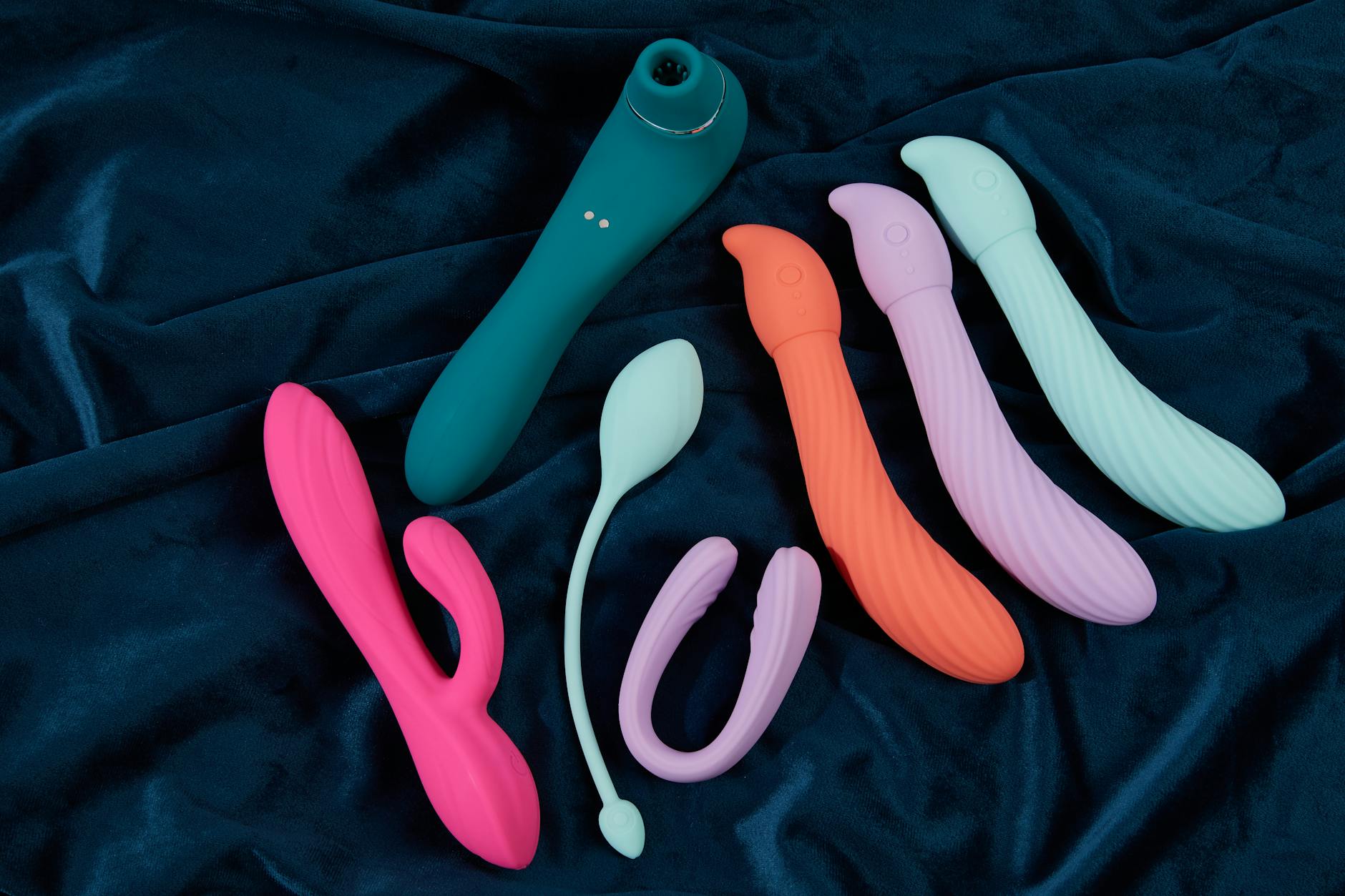
Photo by IFONNX Toys on Pexels
The practical setup that works
Four things change about technique after 40.
Start with longer warm-up. Not just physical warm-up. Mental warm-up matters more than it did at 25. Your clitoris needs blood flow, which means your nervous system needs to be engaged. Spend 15 minutes on your own, or if you have a partner, start with touch and conversation before moving to the toy. This isn't foreplay in the old sense. This is simply acknowledging that arousal takes longer and needs more oxygen.
Use lube even when you don't think you need it. I get resistance on this one constantly. "But I have enough natural lubrication." Maybe you do. But lubrication does two things: it reduces friction and it creates a better seal for suction. A lemon vibrator performs better with some additional lube because it relies on that seal to create the pressure. Water-based lube is your friend here. It doesn't degrade silicone, and you can reapply as needed.
Start at lower intensity. The temptation is to assume that because arousal takes longer, you need more intensity. Actually, the opposite often works better. Start at pattern 1 or 2 on your lemon vibrator and let it build. You'll likely reach the same satisfaction point as before, and you're not overloading tissue that's becoming more sensitive to direct pressure.
Give yourself permission to take 30 minutes. This is the mindset shift that actually changes everything. When orgasm took 10 minutes at 35, you could fit it between other things. At 45, you can't. You have to schedule it differently, which sounds sterile but is actually radical. You're saying your pleasure is worth 30 uninterrupted minutes. That's not a small thing.
What changes with partners (and what doesn't)
If you're partnered, this is a conversation worth having. Your body changing doesn't mean anything about attraction or desire. It means your body is responding to time and hormones. That's it.
Many couples find this phase actually deepens things because someone finally has to slow down and pay attention. The 15-minute quickie doesn't work anymore, which forces intimacy into longer, more present territory. That's not a loss. That's a restructuring.
If your partner is used to the old pattern and intensity, they might interpret the change as loss of interest. It's not. It's a different kind of pleasure. How to talk to your partner about lemon vibrators becomes less about convincing them and more about collaborating on what works now.
When you're using a lemon vibrator solo
This is where that 30-minute timeline becomes your asset instead of your constraint. Solo exploration after 40 is incredibly valuable because you can actually feel what's different. You're not performing, not managing anyone else's timeline.
With a lemon clitoral vibrator, the progression typically feels like this: 5-10 minutes of arousal and getting familiar with the sensation. 10-15 minutes of finding what patterns work in your current body. 5-10 minutes of intensity building. Total time, roughly 20 to 35 minutes depending on the day.
This is not a defect. This is your body giving you an extended experience instead of a quick release. How to find your perfect intensity level on a lemon vibrator can help you dial in what feels right as your baseline shifts.
When sensations feel muted or different
If you're using a lemon vibrator and the sensation feels somehow less sharp than you expected, four things to check first.
One: lube. Suction works better with a layer of lubrication creating the seal. If you're getting dryness feedback, add water-based lube.
Two: pelvic floor tension. If you've been tensing your pelvic floor as a habit, you might need to spend a few weeks actively relaxing it. This is opposite to kegels. Breathe into the area and consciously release. Tight pelvic floor mutes sensation.
Three: expectations. If you're comparing this to the intensity of orgasms at 30, you're measuring against a different neurochemical reality. Judge this against what you're actually feeling now, not what you remember.
Four: arousal level. Sensation always feels different when you're not fully aroused. If you're jumping straight to the vibrator, back up. Spend time on arousal first.
The bigger picture around pleasure after 40
Let me be clear about what I'm not saying: your body hasn't lost the capacity for incredible pleasure. You haven't hit a shelf where things only decline from here. What's happening is recalibration, not degradation.
Many of my clients report that their most satisfying orgasms come after 40. Not because the physical intensity is the same, but because they have decades of self-knowledge by then. They know what works, they're not performing, they're not trying to match some imaginary standard.
A lemon clitoral vibrator works well in this context because it works with this version of your body, not against it. It's not trying to force the old response. It's creating a new one that's actually suited to where you are.
People also ask
Do lemon vibrators feel different after menopause than they do in your 40s?
Yes, but the difference is gradual. In your 40s, you're dealing with hormonal fluctuation. After menopause, estrogen is consistently lower, which means the tissue changes become more permanent. Suction vibrators like lemon toys remain effective through menopause because they don't rely on rapid tissue response. Many people find they need slightly more lube after menopause, but the core mechanics of why a lemon vibrator works remain the same. Why a lemon vibrator might be exactly what your body needs after menopause explores this in more detail.
Can hormonal changes at 40 affect how a lemon vibrator feels?
Absolutely. The hormone fluctuations in your 40s directly affect blood flow and tissue sensitivity. You might find that a lemon vibrator feels amazing one week and different the next, depending on where you are in your cycle. This is normal and expected. It's not the vibrator changing. It's your body's response system fluctuating with hormone levels. Tracking how different patterns feel at different points in your cycle gives you useful information about your body's shifting baseline.
Why do traditional vibrators stop feeling as good after 40?
Traditional vibrators work through direct, rapid vibration. That mechanism depends on your clitoral tissue responding quickly and being responsive to high-frequency stimulation. As you move through your 40s, that rapid response becomes less efficient, partly from hormone changes and partly from normal aging. A lemon clitoral vibrator sidesteps this entirely by using suction instead of vibration. You're not fighting against a changing nervous system. You're using a different stimulation method that's actually better suited to how your body responds now.
How long does it take to adjust to using a lemon vibrator after noticing orgasm changes?
Most people find their rhythm within 3 to 5 uses. Your body learns the sensation quickly. What takes longer is adjusting your expectations and timeline. That's usually a 2 to 3-week shift, where you're accepting that arousal takes longer and building in that time as something to look forward to, not something to rush through. Once you make that mental adjustment, the physical adjustment becomes almost automatic.
Should I use a different intensity setting on a lemon vibrator in my 40s than I would have at 30?
Almost always, yes. Most people find they start at a lower setting in their 40s and work up, rather than jumping to higher intensities. This isn't because lemon vibrators are less effective. It's because lower intensities tend to create more sustained pleasure and better buildup at this stage of your body's response. Experiment starting at settings 1 through 3 before moving higher. You might find that setting 2 or 3 becomes your sweet spot, where at 30 you might have preferred 4 or higher.
Is it normal for orgasms to take longer after 40?
Completely normal. The timeline shift is one of the most consistent changes people report. Where orgasm took 10 to 15 minutes in your 30s, it might take 20 to 30 in your 40s. This isn't a sign of dysfunction or declining sexuality. It's a normal physiological shift. The silver lining: you get an extended period of pleasure instead of a quick peak. Many people find that extended timeline actually creates deeper, more satisfying experiences once they stop treating it as a problem.
The bottom line
Orgasms change after 40. That's not tragedy. That's information. Your body is different now, and a lemon clitoral vibrator is specifically designed to work well with that difference. Give yourself 30 minutes, add lube, start lower than you think you need to, and notice what happens when you stop comparing this experience to what you remember. What you might find is that pleasure after 40 isn't less. It's just different. And sometimes different is exactly what your body needs.
Ready to explore what works for your body now? Start with the basics: lube, time, and a lemon clitoral vibrator that suits your style. The rest is discovery.
Questions about how lemon vibrators adapt to your changing body? Get in touch with our team.