Let's name the actual problem
Your partner touches your shoulder. You're responsive, interested, present. But your body hasn't caught up yet. They're at an eight. You're at a three. By the time your arousal naturally builds, someone's either bored, frustrated, or you're faking enthusiasm you don't feel. That's the gap this post is about.
Neither of you is broken. But the mismatch is real, and it kills intimacy faster than almost anything.
Why this happens (and why it's more common than you think)
Arousal speed isn't fixed. It changes across your cycle, your age, your stress level, your relationship phase, and whether your brain is actually present. For many people, especially those with vulvas, arousal takes time. It's not a light switch. It's more like a slow oven preheating.
Your partner might be wired differently. They might be ready in two minutes. You need ten or fifteen. That's not a deficit in your desire. It's a difference in arousal patterns. And it's one of the most fixable mismatches in a long-term relationship if you treat it as a logistical problem instead of an emotional one.
The gap between interest and readiness
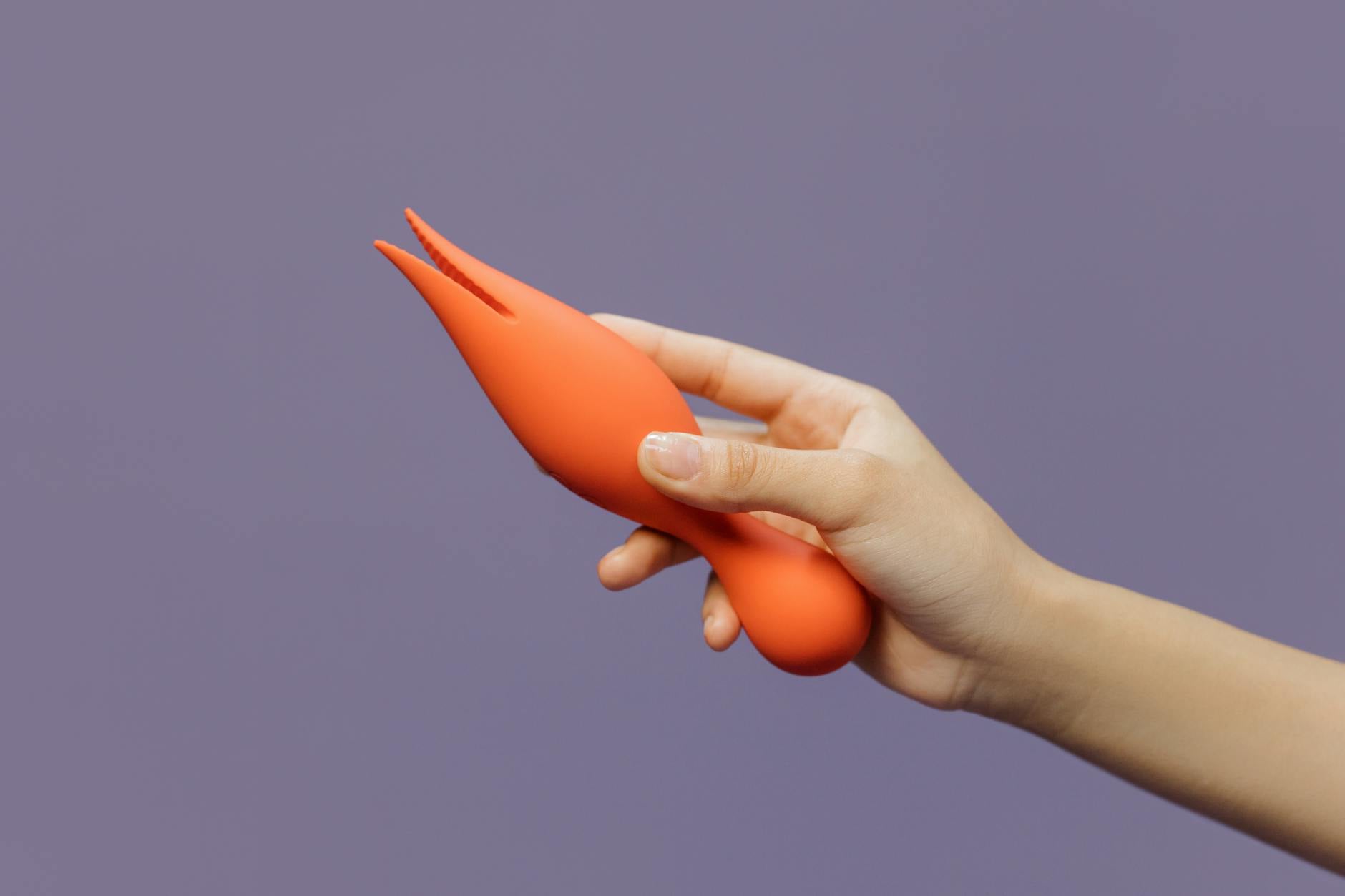
Here's the distinction that matters: you're interested. You're not aroused yet. Those are two different states. Interest means you want to be intimate. Arousal means your body is physically prepared. A lemon clitoral vibrator bridges that gap in about five minutes instead of fifteen.
This matters because when you fake arousal or rush it, two things happen. First, your partner never learns your actual rhythm, so the mismatch repeats. Second, you train your body that sex is something that happens to you, not with you. Over time, that kills desire itself.
What a lemon vibrator does differently
Lemon vibrators use suction and pulsing, not friction. That's relevant here because suction triggers nerve endings in a concentrated way. You don't need extended warm-up time to feel something. Intensity hits quickly and cleanly. If your partner's already engaged, they can touch you elsewhere while you use the vibrator. You're building arousal together, not sequentially.
The rhythm is also important. With suction patterns, you can start at a lower intensity and let the sensation build without the plateau you sometimes hit with traditional vibrators. Your arousal doesn't need to be "enough" before you start. You're actively generating it.
The conversation that has to happen first
Before the vibrator helps, you and your partner need to agree on something: using it isn't your fault, and it isn't a fix for a broken body. It's a tool for matching paces.
I've seen couples where one partner resents the other for "needing" the vibrator. That resentment kills everything. But if you frame it differently ("I want us both to be turned on when we have sex, and this helps that happen"), it becomes collaborative.
Honestly, the best version of this conversation is simple: "When you initiate, I'm sometimes interested but not aroused yet. I don't want to fake it. Would you be into me using a vibrator so we're both ready at the same time?" Most partners say yes immediately. Some say yes after a conversation. Either way, removing the shame changes everything.
How to actually use it when your partner initiates
Three practical moves:
Start while you're kissing or touching. Don't make it a separate phase. You and your partner are already connected. You're making out. They're touching your neck or your chest. You're running your hands over them. Then you bring the lemon vibrator into that moment. It's not a pivot. It's an addition.
Begin at pattern one or two. Lemon clitoral vibrators usually have five to seven patterns. Start low. Your body doesn't need maximum intensity to build arousal. Gentle, rhythmic suction actually works better than intense stimulation for moving from interested to fully aroused. You can increase if you want to. You probably won't need to.
Let your partner stay involved. This is the part that changes everything. They don't have to do anything special, but they don't disappear either. They're kissing your neck. Touching your breasts. Moving closer. You're using the vibrator. You're all in the same space, moving together. That's the opposite of sex becoming something that happens to you.
The timing usually looks like this
Minute one to two: you're kissing, touching. You introduce the vibrator at a gentle pattern. It's new sensation but not overwhelming.
Minute three to four: your body starts responding. You feel blood flow, warmth, sensitivity increasing.
Minute five to six: you're genuinely aroused now. The vibrator has done its job. You can keep using it, switch to your partner, use both. Whatever feels right.
Minute seven onward: you're both ready. You're both present. Sex isn't stalled or rushed. It's mutual.
That's the whole thing. Five or six minutes instead of fifteen. And you're not performing. You're actually experiencing what's happening.
What to do if arousal still stalls
Sometimes your head gets in the way. Your partner's touching you. The vibrator's doing its job. But your mind is somewhere else. You're thinking about work, or whether you look okay, or whether this is taking too long.
That's not a failure. That's just how attention works sometimes. When it happens, it helps to be direct: "I'm interested but my brain's not here. Give me thirty seconds." Close your eyes. Feel the sensation without narrating it. Let your partner know you need them to keep going but maybe talk less, or touch you differently, or change the music. Small adjustments often pull you back.
And sometimes the answer is that tonight isn't the night. You're too tired. Too stressed. Too much in your head. A lemon vibrator can't fix those things. But a partner who says, "Okay, let's just cuddle," and doesn't make it weird? That's the actual foundation that makes sex work long-term.
The difference this makes for your relationship
Sex that works for both people feels different. You stop resenting your partner for wanting you before you're ready. They stop feeling like they're chasing someone who's not interested. You're actually coordinating instead of negotiating.
Over time, knowing that your partner respects your actual arousal timeline instead of pressuring you speeds up your arousal naturally. Your nervous system relaxes. You're not braced for performance. You can actually feel what's happening.
I've worked with couples where this one change turned everything around. Not because the vibrator's magic. Because it gave them permission to be honest about how their bodies actually work.
FAQ: Slow arousal and partner timing
Can you use a lemon clitoral vibrator if your partner's already inside you?
Depends on position, but usually yes. If you're on top or side-by-side, accessing your clitoris is straightforward. If they're on top, it gets logistically complicated. The easier pattern: get to arousal with the vibrator first, then move into penetration when you're ready. That way you're not juggling three things.
What if your partner feels threatened by the vibrator?
This is about insecurity, not the vibrator. The conversation matters here. "I want to feel good during sex with you. This helps that happen. It's not instead of you. It's with you." If they're still resistant after that conversation, the issue isn't the vibrator. It's that they're uncomfortable with your pleasure having its own timeline. That's a bigger relationship conversation, and it might be worth having with a couples counselor.
How do you clean a lemon vibrator between partners using it?
Wash with warm water and mild soap. Dry completely. If you want to be extra careful, use a toy cleaner. Then you're good. It takes two minutes.
Does using a vibrator when your partner initiates mean your desire is lower than theirs?
No. Desire and arousal are different. You can desire someone intensely and have arousal that takes time. Lots of people do. Using a tool to match your partner's pace has nothing to do with how much you want them.
What if the vibrator makes it hard to focus on your partner?
That can happen, especially at first. You're new to the sensation and your brain's dividing attention. It usually settles after a few times. But if it stays true, you might experiment with using it before penetration rather than during, or using it less frequently. The goal is connection, not a specific tool.
Can a lemon vibrator help if your partner's arousal is also slow?
Absolutely. You can take turns. Or use it together while you're touching. Some couples find they actually have similar slow builds once they stop pretending. The vibrator just makes it easier to stay connected while both of you are warming up.
The actual takeaway
You're not broken because you need time to arouse. Your partner's not broken for being ready faster. You're just different. A lemon clitoral vibrator doesn't fix differences. It makes room for them. And making room for how your partner actually works, and having them do the same for you, is what long-term intimacy actually is.