When your body doesn't feel like home
Let's be real: trauma lives in your nervous system, not just your mind. After emotional trauma, many people report a strange disconnection from pleasure. Not numbness exactly. More like being in your body but watching it from three feet away. Or feeling touch but it not registering as good, just as stimulus. Or worse, pleasure triggering a panic response you don't understand.
This isn't failure. It's not broken wiring. It's your nervous system doing what it's supposed to do: protecting you. The problem is it's protecting you from something that's over.
Why trauma disconnects you from pleasure
Trauma dysregulates your nervous system. When something threatens your safety or autonomy, your brain learns that your body isn't a safe place to be. Pleasure requires vulnerability, presence, and the belief that it's okay to feel good. Trauma whispers the opposite. So when you try to access pleasure, your system gets a mixed signal: your conscious mind wants to feel good, but your nervous system is still scanning for threat.
This shows up in specific ways during solo or partnered pleasure:
The dissociation gap. You're physically stimulated, but your mind floats away. You're watching yourself, not inhabiting yourself. Clitoral vibrators sometimes make this worse because direct stimulation can feel intrusive even when it's wanted.
The activation response. Arousal resembles fear on a physiological level. For people with trauma, that similarity can tip the system into fight-or-flight. Heart racing, shallow breathing, sudden urge to stop. Your body thinks it's in danger.
The numb-but-not-numb paradox. You can feel the vibration. It registers. But the pleasure signal doesn't arrive. It's like the wire is cut between sensation and enjoyment.
None of this means you can't reclaim pleasure. It means you need a different approach than someone without trauma history.
The nervous system first, pleasure second
Before you touch a lemon vibrator or any clitoral vibrator, your nervous system has to downshift into a state where pleasure is possible. This is the foundational step that most guides skip.
Three things that signal safety to your nervous system:
Control and pacing. Trauma often involves loss of control. Regaining it rebuilds trust in your body. This is why you pick the intensity, the pattern, the duration. You can stop at any moment. You're the architect.
Predictability. Your nervous system loves knowing what comes next. Use the same quiet space, the same time of day, the same prep ritual at first. Novelty can trigger hypervigilance.
Grounding. Before any genital touch, spend five minutes grounding. This means: five things you can see (anchor to the room), four you can touch (feel the texture of your sheets), three you can hear, two you can smell, one you can taste. This brings your mind into your body and into the present moment.
Do this every time, even when it feels like overkill. Your nervous system is learning that pleasure time equals safe time.
Starting with non-genital touch
Many people skip this step because they're eager to get to sensation. Don't. This is where the real work happens.
Spend at least 5-10 sessions (spread over weeks, not days) touching your body in non-sexual ways while in a state of complete safety. Not to reach pleasure. Not to test if you can orgasm. Just to rehabituate your nervous system to the feeling of touch being safe.
Start with your forearm or inner wrist. Soft, slow strokes with your fingertips. Notice the temperature, texture, pressure. Breathe. If you notice dissociation (watching yourself from outside), pause and ground again. This is normal. You're literally rewiring your nervous system.
Gradually move to other areas: inner thigh, belly, collarbone. Still slow, still gentle, still non-genital. Spend weeks here if you need to. There is no timeline except the one your body trusts.
Why this matters: when you finally introduce a vibrator, your nervous system will recognize touch as a category of experience that's been safe so far.
Introducing a lemon vibrator: the first session
You're ready to bring in a clitoral vibrator (like the Lemon Clit vibrator or a lem vibrator) only when non-genital touch feels genuinely comfortable. Not perfect. Comfortable.
Before you start:
Charge your vibrator fully. Low battery = interrupted session = nervous system learns that pleasure time is fragile. Have water nearby. Your nervous system needs to stay hydrated to regulate properly. Wear something that makes you feel safe and easy to remove. Not sexy. Safe. There's a difference.
The session:
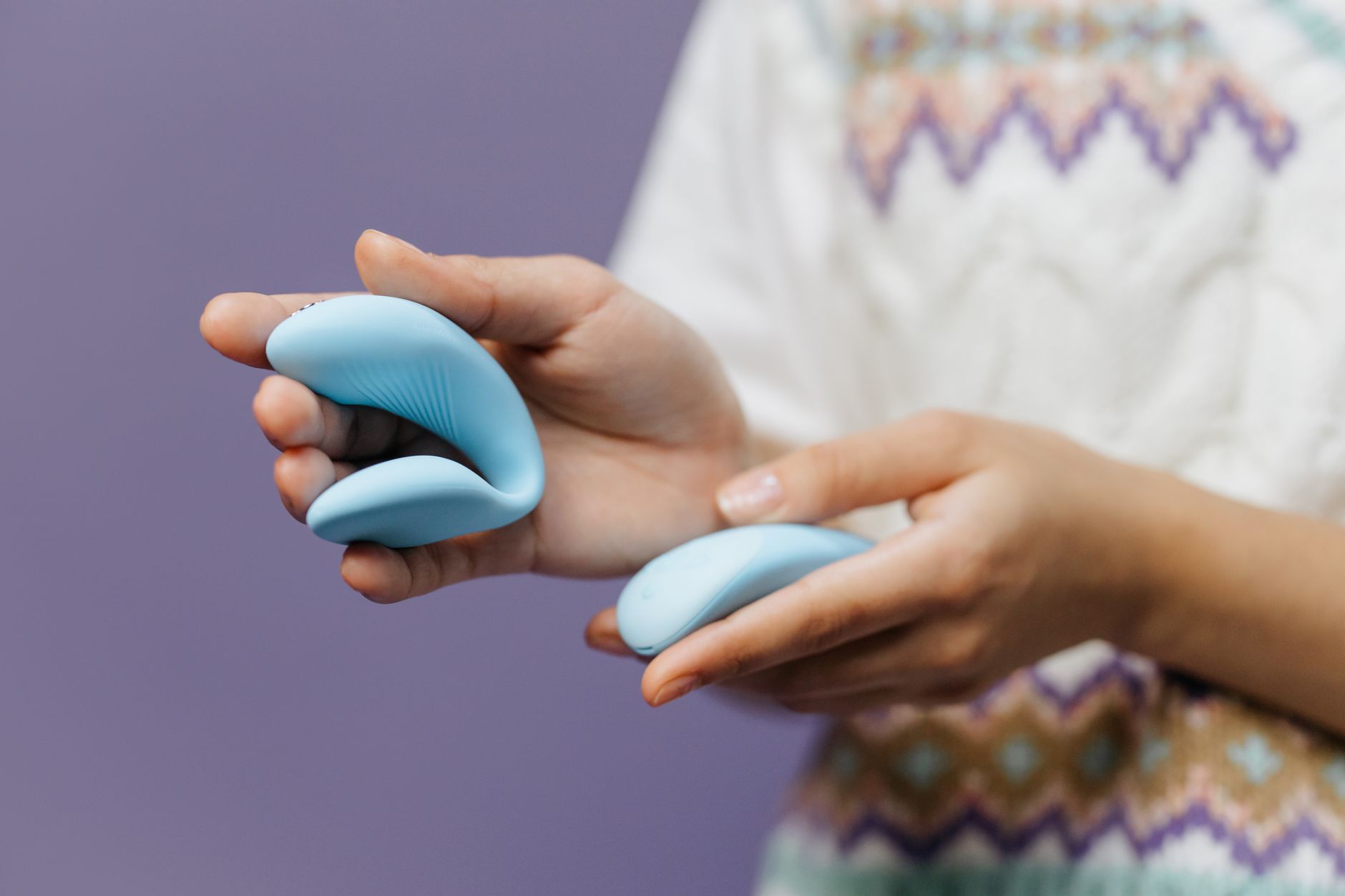
Start with 10 minutes of grounding and non-genital touch. Then introduce the vibrator to your inner thigh or outer labia, not the clitoris directly. The suction-based design of lemon sexual toys like the Lem makes them gentler than traditional vibrators, but your system doesn't know that yet. Let your vulva get used to the presence and sensation of a device.
Keep it on the lowest pattern (usually pattern 1 on the Lem). Don't aim for pleasure. Aim for familiarity. Your job is to notice: does this feel intrusive? Safe? Neutral? All of those responses are information. Stay there for 3-5 minutes, then remove it.
That's the whole session. No pressure to escalate.
Building tolerance and presence over time
Over the next few weeks, gradually move the vibrator closer to your clitoris. Stay on low patterns. Spend 15-20 minutes total, with most of that time doing grounding and non-genital touch first.
You're not chasing orgasm. You're building a relationship with your own pleasure that feels safe. Orgasm is a byproduct, not the goal. This distinction matters because orgasm requires a kind of surrender that trauma survivors often can't access until they feel genuinely safe.
If dissociation happens (and it probably will), pause. Ground. Let your nervous system settle. Then continue. You're teaching your body that dissociation doesn't end the session. It's a signal to slow down, but not to stop entirely.
If activation happens (racing heart, panic, urge to flee), that's your signal to stop. This isn't failure. Your nervous system is telling you it's not ready yet. Honor that. Try again in a few days.
When pleasure finally arrives
At some point, something shifts. The vibration stops being a device and becomes a sensation. The sensation stops being something happening to you and becomes something you're experiencing. Your mind stays in your body instead of floating away.
This can happen in week three or month six. Timeline doesn't matter. What matters is that you're rebuilding trust in your own capacity for safety and pleasure, which are inextricably linked for people with trauma.
When that shift comes, you might notice you can sustain arousal for longer. You might find that you can orgasm, or that orgasm feels different (more grounded, less fractured). You might discover that partnered pleasure is possible again without triggering panic.
None of this is guaranteed. But it's possible. And possibility is where healing lives.
The role of a partner (if you have one)
If you're in a relationship, your partner needs to understand this isn't about them. It's not about them not turning you on. It's about your nervous system recalibrating what's safe.
The best partners give you space to do this solo first. Witnessing your own pleasure in solitude teaches your body something different than partnered pleasure does. Solo exploration builds self-trust. Once that's solid, partnered pleasure becomes an addition, not a replacement or a test.
If your partner wants to be involved, the agreement is simple: they watch your hands on the vibrator, they follow your lead on pacing, they ask permission before touching you. This teaches your nervous system that control remains yours.
What to watch for
If you consistently experience pain, sharp sensations, or intense dissociation even after weeks of gradual introduction, that's worth discussing with a trauma-informed pelvic floor physical therapist or sex therapist. Sometimes trauma is stored in the pelvic floor itself, and gentle external work can help.
If you're using antidepressants or anti-anxiety medication, those can mute sensation. That's not a reason to stop them. It's information. Adjusting medication timing or type is a conversation with your prescriber, not something to do solo.
If pleasure triggers intrusive memories or flashbacks consistently, you're likely not ready yet. That's not weakness. That's your nervous system saying it needs more foundational safety work, possibly with a trauma therapist.
The long view
Reclaiming pleasure after trauma isn't about getting back to baseline. It's about building something new that honors what happened and what you survived. Your body isn't the same as it was before. And that's okay. The pleasure available to you now can be deeper, more intentional, and more rooted in genuine choice than before.
A lemon vibrator, or any clitoral vibrator, is a tool in that reclamation. Not a magic fix. Not a test of whether you're healed. Just a tool that can help your nervous system learn that sensation, vulnerability, and safety can coexist.
Your timeline is the right timeline. Your pace is the right pace. Your body knows what it needs. The job is to listen.
People also ask
Is it normal to feel nothing when using a clitoral vibrator after trauma?
Completely normal. Numbness or disconnection is your nervous system's protective response. It doesn't mean you're broken or that pleasure is impossible. It means your system is working overtime to keep you safe. Gradual, grounded exposure to sensation (starting with non-vibrator touch) can help your nervous system learn that pleasure is safe. This takes time, usually weeks or months, not days. The fact that you're trying is the win.
Can a lemon vibrator trigger flashbacks or panic?
Yes, it can. Trauma is stored in the body, and genital touch can activate that memory even if you consciously feel ready. If this happens, it's not a sign that vibrators are bad for you. It's a sign that your nervous system needs more foundational grounding before introducing toys. Work with a trauma-informed therapist or sex therapist to build that foundation. Then revisit vibrators at a slower pace. Many people move through this.
Should I use a vibrator alone or with a partner after trauma?
Alone, first. Solo exploration gives you control and lets you learn your own capacity for safety and pleasure without anyone else's needs or response in the room. Once you feel genuinely comfortable solo, partnered pleasure becomes something you add by choice, not something you owe anyone. Some people find solo pleasure is all they need. Others use it as a foundation for partnered work. Both are valid.
What vibrator pattern should I use if I have trauma history?
Start with the lowest pattern available (pattern 1 on most lemon vibrators like the Lem). Suction-based designs like lemon clitoral vibrators are often gentler than traditional vibrators because they don't rely on pure vibration intensity. Low patterns give your nervous system time to adjust without overwhelming it. You can increase patterns over time if you want to, but there's no requirement. Many people find low patterns are exactly what they need.
How long does it take to rebuild pleasure after trauma?
There's no universal timeline. Some people regain sensation and arousal within a few months. Others take a year or more. Factors that affect pace include the type and duration of trauma, current stress levels, whether you're in therapy, medication side effects, and relationship dynamics. The worst thing you can do is set a deadline. Your nervous system doesn't work on schedules. It works on safety. Build safety first, and pleasure follows.
Is numbness during masturbation a sign I'm not healed?
No. Numbness is information, not a judgment. It tells you your nervous system is still in protective mode. That's actually useful data. You can use it to slow down, add more grounding, extend the non-genital touch portion of your exploration. Healing isn't linear. You can feel pleasure one session and numbness the next. Both are normal. Progress isn't about having pleasure every time. It's about gradually expanding your window of tolerance for sensation and presence over weeks and months.
Moving forward
If you're rebuilding pleasure after trauma, you're doing some of the most important work possible. You're telling your body that it's safe. You're teaching your nervous system that vulnerability doesn't equal danger. You're reclaiming something that someone else tried to take.
That's powerful. That takes courage. And it works. Not always in the timeline you want. Not always in the way you imagined. But it works.
If you're struggling to navigate this solo, a trauma-informed sex therapist or relationship counselor can be invaluable. They can help you understand your specific nervous system patterns and build a plan that honors your history and your pace. Reach out if you'd like support.