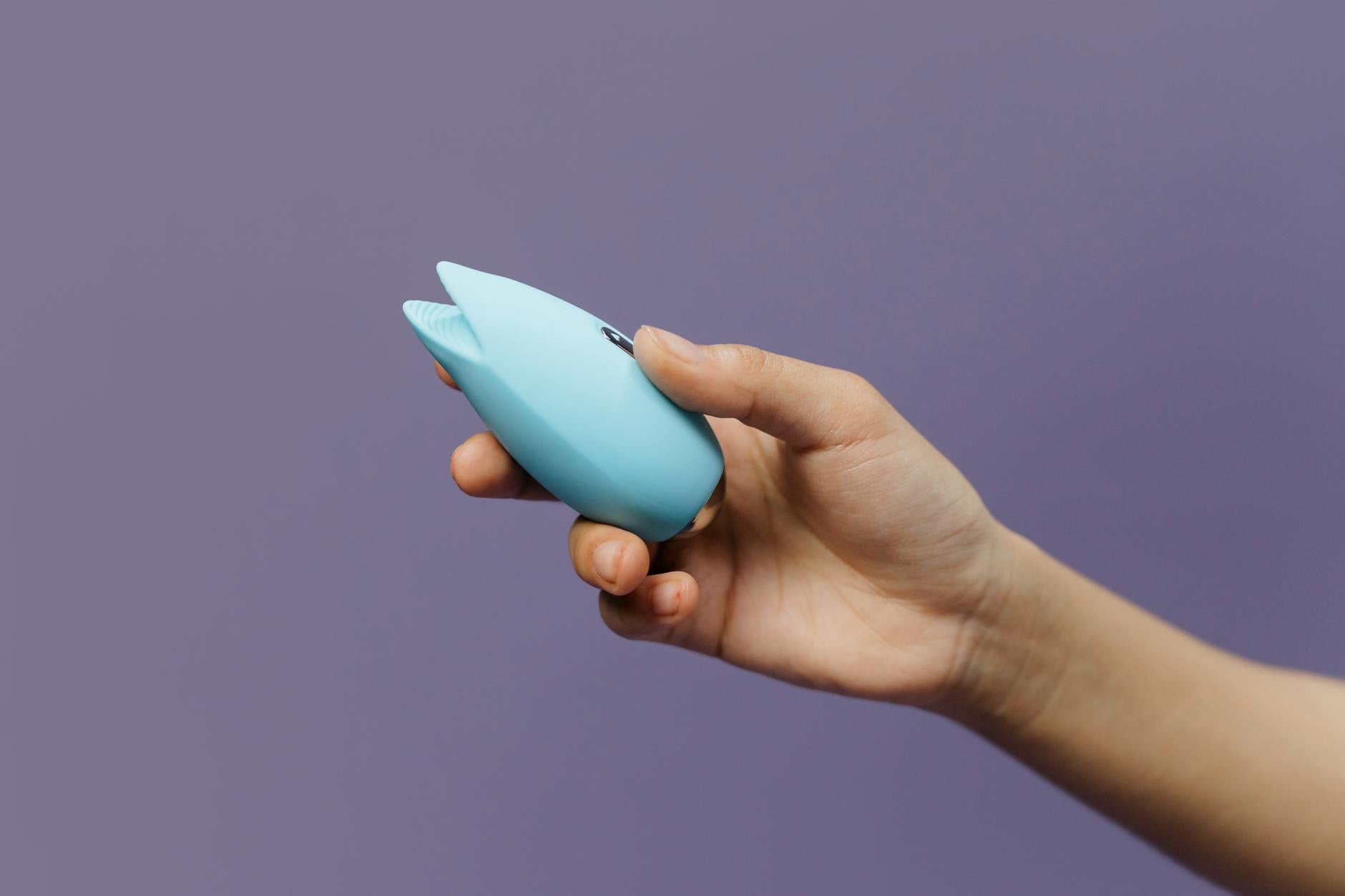
How to Use a Lemon Vibrator When Recovering From Pelvic Floor Tension or Vaginismus
Let's start with what nobody tells you. Pelvic floor dysfunction is not a personal failure. It's not something you caused. And it's wildly treatable, especially when you have the right tools.
Vaginismus and pelvic floor tension make penetration painful, sometimes unbearably so. The reflex that causes the pain is exactly that: a reflex. Your body is protecting itself. But when you're ready to reclaim pleasure, a lemon clitoral vibrator becomes one of the most powerful recovery tools available because it lets you experience sensation without triggering the protective response that makes penetration so difficult.
What happens in the pelvic floor during tension or vaginismus
Your pelvic floor muscles form a hammock that supports your uterus, bladder, and bowel. When something goes wrong, these muscles clench involuntarily. Sometimes it's due to past pain or trauma. Sometimes it's anxiety. Sometimes it's a direct physical injury. The cause doesn't matter as much as understanding the recovery path.
When the pelvic floor is in crisis mode, it stays tight even when you're not trying to have penetrative sex. That tension makes clitoral sensation feel muted because the entire vulva is stuck in a protective contraction. Orgasm becomes harder because arousal itself triggers the pain reflex.
Here's what's crucial: the clitoris is a separate nerve system from the vagina. That's why a lemon vibrator works so differently than penetration during recovery.
Why clitoral vibrators work differently for pelvic floor recovery
The clitoris has its own sensory pathway, and it doesn't trigger the same protective response as vaginal penetration. When your pelvic floor is tight, clitoral stimulation using a tool like a Lemon vibrator lets your nervous system experience pleasure without fear. That distinction is everything.
Most people in recovery from vaginismus have experienced so much pain during sex that their brain has learned to shut down arousal automatically when penetration is involved. A lemon clitoral vibrator breaks that association because you're not attempting penetration. You're learning what pleasure feels like when your body is relaxed.
The vibration itself also does something subtle but important: it overrides the pain signaling. Vibration activates different nerve fibers than pressure or friction, and it can actually quiet down the protective tension that's keeping your pelvic floor locked.
How to start using a lemon vibrator during pelvic floor recovery
The first thing is context. Pelvic floor recovery requires permission, and permission requires removing all pressure to perform. If you're in a partnership, this conversation needs to happen before you ever turn on the vibrator.
Tell your partner directly: "I'm using this to feel pleasure without pain. This is about me learning what my body wants, not about you." That distinction removes the performance pressure that makes pelvic floor tension worse.
When you're actually ready to use your lemon vibrator, follow these steps:
Set the space first. You need privacy and time. No interruptions, no rushing. Pelvic floor tension often gets worse when you're stressed or watched, so genuine solitude matters.
Start with the lowest setting. The Lemon vibrator has gentle pulse patterns that work well for sensitive recovery. Begin on pattern 1 or 2, not on the strongest setting. Your nervous system is already in protective mode. Gentle sensation helps it relax.
Use external stimulation only. Do not attempt internal use during early recovery. The whole point is to experience pleasure that doesn't trigger the protective reflex. External clitoral stimulation is where the magic happens.
Go slow with arousal. Budget 20 to 30 minutes, even if you think you'll orgasm faster. Your body has learned to clench during arousal. Slow arousal teaches it to relax instead. The vibration will feel different at different levels of arousal, and that's exactly what you want to explore.
Building trust with sensation again
After months or years of painful sex, your body doesn't trust pleasure. Part of recovery is teaching it that sensation can feel good without pain following. This happens in micro-steps, and it can't be rushed.
When you first use your lemon vibrator, you might feel numb. That's common. Your nervous system has dampened sensation to protect you from pain. As you use the vibrator regularly, that numbness often lifts. You'll notice sensation sharpening over days or weeks.
You might also feel guilty or anxious using a vibrator during recovery. That's normal too. There's often shame attached to the original pain, and pleasure can feel unsafe because it's so tied to the injury. The guilt passes when you keep showing up and letting yourself feel good.
If you're in a partnership, this is the time to explore clitoral stimulation together without any expectation of penetration. Your partner can watch you use your lemon vibrator, can learn what makes you respond, and can participate without creating pressure. This rebuilds intimacy and trust simultaneously.
When the pelvic floor starts to relax
After consistent use, most people notice the protective tension easing. You might notice this first in everyday life: sitting becomes more comfortable, period cramps feel less intense, and you're less likely to tense up when you're stressed.
When you feel ready, that's when you might explore partnered clitoral stimulation alongside your vibrator, or gentle external touch without the vibrator. The goal is never to force penetration. The goal is to keep expanding what feels possible in your body.
Some people also find that using a lemon vibrator helps them prepare for pelvic floor physical therapy, which is the gold standard treatment for vaginismus. The vibrator teaches the nervous system that the pelvic floor doesn't have to be constantly contracted. Physical therapy then builds on that foundation.
The role of patience and professional support
Pelvic floor recovery is not linear. Some days the tension will feel worse. That doesn't mean you're doing something wrong. Hormonal cycles, stress, and life transitions all affect pelvic floor tension.
If you're working with a pelvic floor physical therapist, tell them you're using a vibrator for clitoral stimulation. Most will support this because it reduces anxiety and teaches the nervous system that your vulva can feel good. If you're not already working with a specialist, that's genuinely worth prioritizing. A vibrator is a tool, not a replacement for professional care.
The same goes for your partner, if you have one. If relationship stress or past trauma contributed to the vaginismus, couples therapy or sex therapy can address those factors while you rebuild sensation with your lemon vibrator.
Common concerns during recovery
"Am I supposed to have an orgasm?" Not necessarily. Early recovery is about sensation and relaxation, not goal-oriented pleasure. Orgasm might happen, or it might not. Both are fine.
"What if I still feel numb?" Numbness often lifts gradually over weeks or months. If it doesn't improve after consistent use, check with your doctor. Sometimes numbness signals a separate medical issue.
"Should I use lube?" Absolutely. Even though you're using a vibrator externally, a little water-based lube reduces friction and makes sensation feel smoother. It also gives your nervous system a signal of care.
"How often should I use it?" Whatever feels right. For some people, daily exploration helps. For others, a few times a week is enough. Listen to your body's readiness.
Pelvic floor recovery is one of the most rewarding journeys you can take with your pleasure. You're not just treating a symptom. You're rebuilding trust with your body, reclaiming sensation, and moving toward a version of sex that feels truly good instead of painful. A lemon clitoral vibrator becomes part of that story because it lets you practice pleasure without triggering pain.
FAQ
Can I use a lemon vibrator if I have severe vaginismus?
Yes, external clitoral stimulation with a vibrator is often one of the safest ways to start pleasure during severe vaginismus recovery. Since the clitoris has its own sensory pathway separate from the vagina, it doesn't trigger the same protective reflex. Start with the gentlest settings and focus on relaxation, not orgasm.
Will using a vibrator make my pelvic floor tension worse?
No. If anything, the gentle vibration helps calm the protective response. However, if you're using a vibrator and feeling increased tension afterward, that might signal you went too fast. Scale back intensity and give yourself more time to warm up. If tension worsens consistently, check with your pelvic floor physical therapist.
How long does pelvic floor recovery usually take?
It varies widely, typically three months to two years depending on the cause and whether you're working with a physical therapist. Using a lemon vibrator for clitoral stimulation can speed up recovery because it helps your nervous system relearn that sensation can feel good. Consistency matters more than speed.
Should my partner be involved when I use my lemon vibrator during recovery?
It's entirely your choice. Some people prefer privacy early on while they rebuild trust with sensation. Others find that having a partner present, watching without pressure, helps rebuild intimacy. Communicate what feels safe for you.
What if I can't orgasm with the vibrator?
Orgasm is not the goal of recovery. Some people orgasm easily once they feel relaxed. Others take longer. A few find that orgasm returns only after penetration becomes possible again. Your nervous system is learning to feel safe, and that comes before performance. The vibrator teaches your body that pleasure is possible, which is the real win.
Can I use a lemon clitoral vibrator if I'm also in physical therapy?
Yes. Most pelvic floor physical therapists support regular external clitoral stimulation because it helps the nervous system relax. Tell your therapist you're using a vibrator. They can give you guidance about timing and intensity based on your specific recovery needs.
If you're navigating pelvic floor recovery, you're doing hard, important work. A lemon vibrator is a tool that can make that journey feel more connected to pleasure and less defined by pain. Start gently, trust your body's timeline, and reach out to professionals when you need support. Your pleasure matters, and it's worth recovering.