If you've been living with vulvodynia, you know that sex became something that hurt. Not during, necessarily. Sometimes the pain arrived hours or days later. Sometimes it never left. The nervous system got stuck in protection mode, and pleasure became something your body learned to reject.
Here's what matters: vulvodynia is treatable. And pleasure is possible again. It's not about gritting your teeth through stimulation or waiting for pain to vanish completely. It's about rebuilding trust with your own body, one gentle sensation at a time.
Lemon vibrators, especially designs like the Lem with its suction-based stimulation, work particularly well during recovery because they don't require direct friction. That matters. A lot.
Vulvodynia is a diagnosis of chronic vulval pain with no obvious cause. The tissue looks fine. Infections are ruled out. But the nerves are essentially misfiring. They're reading neutral stimulation as threat. The central nervous system has learned that touch equals pain.
This creates two problems. First, the obvious one: anything that touches the vulva triggers a pain response. Second, the psychological one: your brain starts predicting pain before it even happens. You tense up. You avoid touch. You grieve what sex used to feel like.
Recovery isn't about erasing the past three months or three years. It's about slowly, methodically teaching your nervous system that touch can be safe again. That sensation can be pleasurable.
Traditional vibrators rely on vibration and direct contact. If your vulva is tender, that friction can feel intense, even at low settings. It activates the same nerve endings that have been in pain mode.
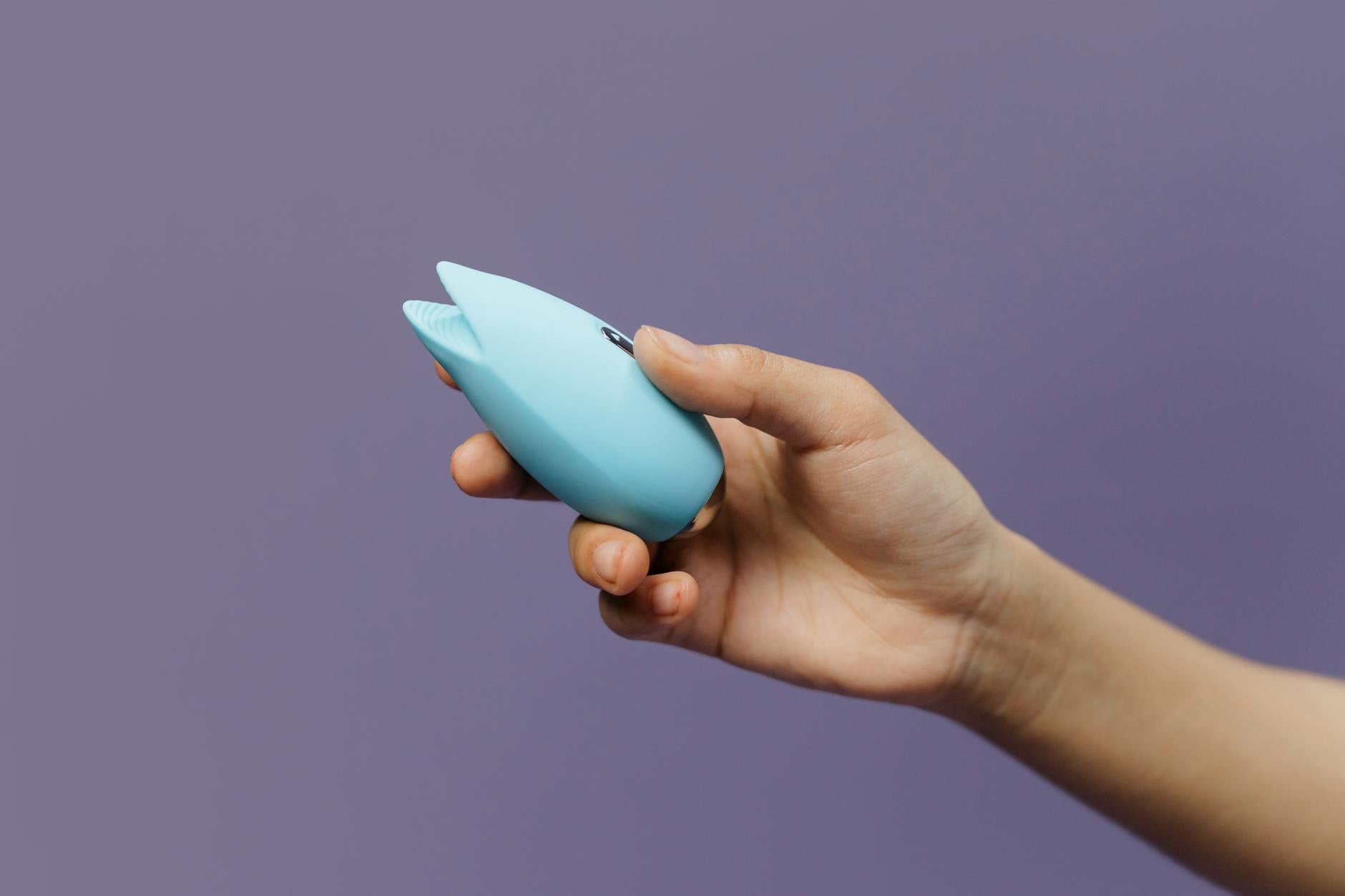
Suction-based vibrators like a lemon clitoral vibrator work differently. They create a gentle, pulsing suction around the clitoris without the harsh friction. This stimulates the same pleasure nerves, but through a different mechanism. It's like the difference between a hand massage and someone pressing directly on a bruise.
For vulvodynia recovery specifically, suction does three things right. It allows you to build sensation gradually without risking pain spikes. It separates pleasure from the friction your nervous system learned to fear. And it gives you a sense of control because the intensity increases smoothly.
If you're actively working with a pelvic floor physical therapist, tell them you're thinking about using a vibrator. Good ones will support this. They understand that pleasure is part of healing.
What they'll likely recommend. Start only after you've had a few sessions of internal or external release work. Your pelvic floor is probably tight from months of bracing against pain. Loosening it first makes the experience less intense.
They might also suggest using the vibrator only during sessions where you've done calming work first. A warm bath, breathing exercises, maybe gentle external massage from your therapist. You're not jumping straight to pleasure. You're building capacity for sensation.
Honestly? The environment changes everything. You're asking your nervous system to unlearn fear. It won't do that in a chaotic, rushed moment.
Set aside 20-30 minutes with zero interruptions. Silence or soft music, not a podcast or the TV. Warm your space. Your body reads temperature as safety or threat. Cold feels threatening. Warm feels held.
Start with external touch only. No internal anything. Place a pillow between your legs if that feels supportive. Some people with vulvodynia find a bit of pressure soothing.
Have a water-based lubricant nearby, but you might not need it immediately. The suction from a lemon vibrator actually creates its own moisture dynamics. Start without, see what your body needs.
Start at the lowest setting. I mean the absolute lowest. The Lem and similar lemon adult toys have multiple intensity levels for this reason. Most people with vulvodynia never need to go past level 2 or 3.
Place the vibrator over the clitoris, but not directly on it. Hover it slightly. Let the suction create that gentle pull without pressure. Breathe. Seriously. Most of us hold our breath when we're nervous or anticipating pain. Breathing signals safety to your nervous system.
Stay at level 1 for the entire first session. Your job isn't to orgasm. Your job is to notice that touch happened and nothing terrible occurred. That the vibrator felt like... a sensation. Not a threat.
Duration matters. Five minutes is enough. More than ten, and you might exhaust those nerves. Recovery is slow. Respect that.
Don't jump to level 2 immediately. Use level 1 every other day for at least three weeks. You're building new neural pathways. That takes time.
During those three weeks, track what happens. Does pain show up during? After? Hours later? Days later? Not to obsess, but to understand your specific pattern. Some people find pain arrives only if they orgasm. Some find it during. Some find the vibrator completely pain-free but their nervous system protests later.
Once you've done level 1 without pain flares for two weeks straight, try level 2 for one session. Go back to level 1 the next time. You're testing, not escalating.
If you feel sharp pain, burning, or that distinctive vulvodynia ache during use, stop immediately. This isn't tough it out territory. Your nervous system is telling you it's not ready yet.
Don't shame yourself. This doesn't mean recovery isn't working. It means you found the edge of what your nervous system can handle right now. That's useful information.
Take three to five days off. Resume at level 1 for shorter sessions, maybe two to three minutes. Add more recovery time between sessions. Your pelvic floor therapist can also help you identify what's still holding tension.
Pain that arrives hours or days later is trickier to interpret. It could mean you did too much. It could mean your pelvic floor tightened in response to anticipatory anxiety. It could be unrelated to the vibrator entirely. Track it, discuss it with your therapist, adjust accordingly.
After four to six weeks of consistent, gentle use, something shifts. The vibrator stops feeling like a medical tool and starts feeling like... well, like something your body actually wants.
This is the turning point. When you stop using it because you should and start using it because it feels good.
That's when you can experiment with slightly higher intensities, longer sessions, different times of day. That's when you might discover that using a lemon sucker alongside other touch, partnered or solo, feels actually pleasurable.
For some people, this takes three months. For others, six. There's no universal timeline. Vulvodynia affects everyone's timeline differently.
If you have a partner, they need to understand something crucial: this isn't about them. It's not rejection. It's nervous system retraining.
The best partners get curious instead of defensive. They ask what helps. They respect boundaries without making it a bigger deal than it is. They understand that you using a vibrator solo is part of healing, not a comment on them.
If you eventually want to use a lemon vibrator with your partner, move slowly. Have them present while you use it solo first, so they see what pleasure looks like on your body. Then they might hold it while you guide. Then you might use it together during partnered sex.
But that's months down the road. Right now, your job is solo practice.
I know that sounds impossible right now. But here's what I've seen happen countless times: people who recover from vulvodynia often end up with a more attuned, intentional sex life than they had before.
They can't rush. They can't dissociate. They have to pay attention. And that attention? That becomes foundation for deeper pleasure.
Vulvodynia taught you to listen to your body's no. Now you get to learn its yes. That's powerful.
Depends on the intensity of your pain. If you have pain that shows up with basic touch, you're probably not ready yet. Work with your pelvic floor therapist first to bring down baseline sensitivity. Once you can touch the area without triggering pain, a vibrator on the lowest setting becomes a useful next step. Don't use a vibrator as a way to push through pain. That reinforces the same nervous system patterns that created the problem.
Vulvodynia pain has a sharp, burning, or aching quality. It feels like threat. Good sensation during recovery feels warm, tingly, possibly a bit intense but not painful. It's the difference between someone pinching you and someone massaging you firmly. If you're not sure, you're probably too intense. Back off.
If pain shows up consistently after you use it, or if you're using it more than once a day, you're probably overdoing it. Recovery is slow. Every other day is plenty. Three to five times a week is even better. More stimulation doesn't equal faster healing. Consistency and gentleness do.
Start without. The suction mechanism works better on skin with just a bit of natural moisture. Once you're comfortable with sensation, you might add water-based lubricant if it feels nice. But it's not required, especially in early recovery. Lubricant can actually reduce the sensation you're trying to rebuild.
Eventually, yes. In early recovery, no. An orgasm involves tension, release, and contraction. Your pelvic floor is already over-tensioned from months of protection. Pushing toward orgasm can actually set back your recovery. Focus on sensation and pleasure without the goal. Orgasm will come back when your nervous system is ready.
Pleasure requires nervous system capacity. If you've been in pain for months or years, pleasure pathways have been basically offline. This takes time to reactivate. Keep using the vibrator gently and consistently. Consider working with a sex therapist alongside your pelvic floor therapist. They can help you reconnect to pleasure as a concept, not just a sensation.
Vulvodynia changes how you relate to your body. But recovery changes it again. This time, you get to choose what that relationship looks like. You get to build it slowly, with tools like lemon vibrators designed for sensitivity, and support from people who understand.
Your pleasure matters. Your body's healing matters. Take your time. And get in touch if you need guidance on the right approach for your specific situation. We're here to help.
Ready to start your recovery journey? Reach out to us at /contact to chat through the best option for your needs.