Here's what nobody tells you about restarting
You've been intimate before. You know how it works. So why does the first time back feel like learning all over again? Between you and me, that's completely normal. A sexual pause isn't like turning off a light switch and flipping it back on. Your body remembers, yes. But your nervous system has adjusted to a different rhythm, and restarting requires both of you to be intentional.
Whether the break happened because of stress, illness, life disruption, or relationship strain, the moment you decide to reconnect is delicate. It's not the time for performance or pressure. It's the time for tools that let you focus on sensation instead of anxiety.
Why the first time back is genuinely harder
There's actual science here. After a sexual pause, your body's arousal response doesn't instantly fire back up the way it did before. Months without sexual touch can mean that sensation feels less vivid, that it takes longer to feel turned on, and that self-doubt creeps in more easily. Your partner might feel the same way. That's not a red flag. It's a normal physiological reset.
Add to that the emotional weight. If the break came from conflict or illness, you might be carrying worry that things won't feel the same. If it came from life chaos, you might worry that desire has permanently changed. Most of the time, what you're experiencing is just unfamiliarity, not a permanent shift. But your body doesn't distinguish between the two without reassurance.
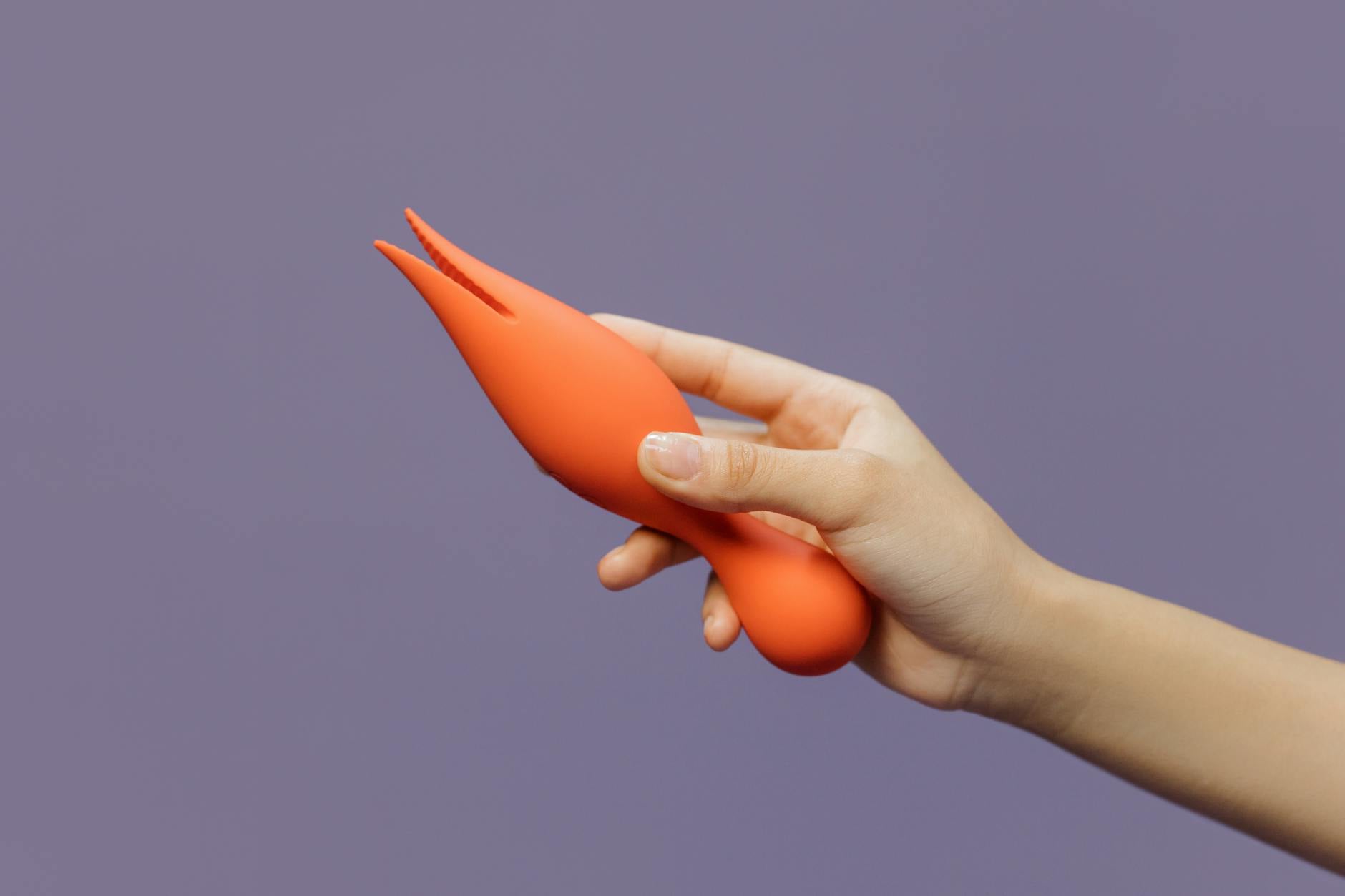
This is where a clitoral vibrator becomes genuinely useful. Not because you need "help," but because the focused, consistent stimulation can remind your body what pleasure feels like while you're getting reacquainted with your partner.
The first conversation to have (before the bedroom)
I always recommend couples talk about this outside the bedroom, ideally not right before you plan to be intimate. The conversation is simple but intentional: "I want to reconnect with you. I'm nervous about it feeling awkward. Can we take pressure off performance and just focus on sensation?"
If you want to mention a tool like a lemon clitoral vibrator, frame it the same way: "I'd like to use something that helps me relax into pleasure instead of overthinking." Most partners respond well to honesty. What they struggle with is ambiguity.
Set loose expectations. Maybe the first reconnection isn't penetration. Maybe it's extended foreplay. Maybe it's separate solo time first, followed by being in the room together. There's no timeline for "normal" after a pause. Create your own.
How to use a lemon vibrator in your first reconnection
When you're ready to be sexual together again, using a lemon clitoral vibrator serves several purposes. It keeps your focus on your own sensation rather than on how you look or how you're "performing." It gives your partner something to do that feels collaborative without being pressure on them to "make it happen." It slows the whole process down, which is exactly what your nervous system needs.
Start with the lowest vibration pattern. Don't use this as a warm-up tool and then set it aside. If you want to use a Lemon vibrator (or another clitoral vibrator) as part of your reconnection, it stays throughout. There's nothing awkward about that. It's practical. It's honest. It works.
Have your partner watch, or talk them through what feels good. That vulnerability is often the real reconnection, not the orgasm itself. You're showing them: "Here's what my body needs right now." That's intimacy.
Solo reconnection first (actually underrated)
If the idea of being intimate with your partner still feels too loaded, solo time with a vibrator is a legitimate first step. You're reminding your body what arousal feels like. You're rebuilding your own sense of sexual agency. You're showing yourself that your body still works the way you remember.
Use a lemon sucker or vibrator in a quiet moment alone. No performance. No audience. Just sensation. Spend 15-20 minutes on this, not five. Let arousal build slowly. Notice what feels different from before. Notice what feels the same. This gives you baseline data. When you're intimate with your partner, you'll be less anxious because you already know your body is responding.
The rhythm that actually works for couples reconnecting
Four weeks back into a sexual relationship typically looks like this:
Weeks 1-2: Extended foreplay without penetration. Lots of touch, some vibration, no pressure to "finish." The goal is reacquaintance, not orgasm. Your partner can use the vibrator on you, or you can use it yourself while they touch you elsewhere.
Weeks 3-4: Gentle penetration if that's your thing, alongside vibrator use. Still no performance pressure. Still lots of communication. "Does this feel good?" is a question you ask often.
That's it. That's the timeline most couples need to feel comfortable again. Some need longer. That's fine too.
What to avoid when you're restarting
Don't jump straight into what you used to do before the break. Your body isn't the same version of itself. Your relationship isn't the same. What worked before might need tweaking now.
Don't measure success by orgasm. During reconnection, success is arousal without anxiety. Success is communication. Success is showing up.
Don't let your partner disappear into passivity. If they're sitting on the sidelines, reintegrate them. They can touch you while you use the vibrator. They can hold it for you. They can talk you through it. The tool isn't a replacement for them. It's a bridge back to them.
Don't rush out of this phase. The urge to "get back to normal" is strong. Resist it. Normal takes time.
When to bring in a sex therapist
If you're weeks into reconnection and anxiety is still blocking arousal, or if you and your partner can't communicate about what you need without conflict, that's when a trained professional helps. A sex therapist or relationship coach isn't a nuclear option. It's a tool, like a vibrator. Many couples find that even three sessions shift the conversation.
If the break happened because of infidelity or deep relationship hurt, reconnection is possible, but it needs support. Don't try to repair that alone.
The thing they don't tell you
Most couples who take a sexual pause and rebuild often report that their reconnection is better than what came before. There's less performance. There's more attention to detail. There's actual communication about what feels good. A lemon clitoral vibrator becomes part of that because it normalizes sensation-focused sex instead of goal-focused sex.
Your pause wasn't a failure. It was a reset. And how you choose to restart is entirely up to you.
FAQ: Returning to Sex After a Break
How long should I wait after a break before trying to be intimate again?
There's no fixed timeline. Some couples reconnect within weeks. Others take months. The right timing is when both of you feel emotionally ready, not when you think you "should." If one person is pushing and the other is hesitant, that's a sign you need more conversation, not a push into intimacy.
Will my partner think I'm using a vibrator because they're not "enough"?
Maybe, if you don't talk about it first. Frame it clearly: "I want to use this because it helps me relax into pleasure instead of overthinking." Most partners, when they understand that a clitoral vibrator actually makes reconnection easier and more enjoyable, become supportive. Some even prefer it because it takes pressure off them to manually stimulate you for 30 minutes.
Is it normal to not feel attracted to my partner after a long break?
Temporarily, yes. Attraction is partly neurochemical. After months without touch, those neural pathways quiet down. They rebuild quickly once you restart, especially if you're patient and communicative. If you feel zero attraction after several weeks of reconnection and honest conversation, that might indicate a deeper relationship issue worth exploring with a therapist.
Can I use a lemon vibrator while my partner is inside me?
Absolutely. That's actually a common and effective way to reconnect because it layers sensation. Your partner gets the closeness of penetration. You get focused clitoral stimulation. There's less performance pressure because the vibrator is doing some of the work. Start in positions where you have access to your clitoris, like woman-on-top or missionary, and experiment.
What if I want to reconnect but my partner doesn't seem interested?
That's a conversation, not a problem to solve alone. Ask them directly: "I'd like us to be intimate again. What's making you hesitant?" They might be anxious too. They might be worried about hurting you or doing something wrong. They might have their own shame about the break. Once you understand what's actually happening, you can address it. If they continue to refuse connection, that points to a relationship issue that therapy can help with.
How do I know if I'm ready to reconnect solo before trying with my partner?
You'll know your body is ready when you can spend 20 minutes with a vibrator and feel aroused without someone watching. When you can achieve orgasm or come close. When touching yourself doesn't feel loaded with anxiety. That's your signal that your nervous system is ready for a partner to be present.
Reconnecting after a break is one of the most honest things a couple can do together. You're saying: "I care enough to rebuild this. I'm willing to be vulnerable. I'm willing to communicate." A lemon clitoral vibrator is just a tool that makes that journey less intimidating. Use it that way, and the rest follows naturally.