The thing nobody tells you about multiples
Multiple orgasms aren't actually rare. They're just badly understood. Most people think "multiples" means orgasm-orgasm-orgasm in rapid succession, which is one pattern but not the only one. The easier version, and the one most people can actually achieve, is: orgasm, brief rest, rebuild, orgasm again. That rhythm is completely learnable, and air-suction lemon vibrators like the Lem are weirdly perfect for teaching your body to do it.
Here's the thing that changes everything: multiple orgasms have almost nothing to do with willpower and everything to do with recovery time and stimulation strategy.
Why air-suction vibrators work better for multiples
The clitoris has two parts: the visible tip and the internal bulbs that extend deep into the pelvic floor. Most vibrators focus on surface-level buzz. Air-suction toys like the Lem create a gentle suction that stimulates both the external glans and the internal erectile tissue at the same time. This does two things that matter for multiples.
First, it creates a more complex sensation pattern, which means your nervous system stays engaged longer without hitting the refractory period (that numb feeling after you come). Second, because suction doesn't rely on direct mechanical friction, you can keep playing longer without oversensitivity kicking in.
The Lem specifically uses gentle pulsing patterns that cluster stimulation rather than continuous buzzing. That clustering is key. It lets your nervous system build tension, release, then rebuild without flattening out.
Setting yourself up for success: the environment
Multiples require a different headspace than a single orgasm. You need to remove the goal of "getting there" and replace it with curiosity about what happens next. That sounds mystical but it's just neurobiology: goal-focused arousal (I must orgasm) triggers your sympathetic nervous system (fight-flight), which locks you into a single climax and a hard drop after. Open-ended play (I wonder what this feels like) keeps your parasympathetic system online, which maintains arousal between orgasms.
Practically, this means: block out 45 minutes minimum. Not because multiples take that long, but because rushing yourself kills the whole thing. Put your phone across the room. Tell your partner or housemates you're unavailable. If you're with someone, establish a signal that means "keep going" versus "I need a pause." Many people don't ask for pauses because they think it breaks the mood. It doesn't. It enables multiples.
The actual technique: building and recovering
Start with your vibrator on pattern 1 or 2. Run it over your entire vulva for 3-5 minutes without focusing on your clitoris. This primes the tissue and builds baseline arousal without triggering that sensitive-too-soon problem.
Once you feel your clitoris engorge and your arousal climbing, move the vibrator into sustained contact with your clitoris. Use slow, deliberate circles or back-and-forth movements rather than holding it still in one spot. With suction toys like the Lem, you're looking for rhythmic patterns, not constant pressure. Most people find patterns 2-4 work best here. Build to orgasm as you normally would.
After you come, here's the critical part: keep the vibrator moving, but drop the intensity to pattern 1 immediately. Most people stop entirely, which signals your nervous system that playtime is over. If you keep light contact and low sensation going, your body stays in the arousal zone instead of crashing.
For the next 2-4 minutes, use feather-light contact. Let your clitoris stay stimulated but not intensely. You'll notice sensitivity spike briefly, then mellow. That mellow moment is your window. When you feel arousal starting to rebuild (usually after 2-3 minutes), gradually increase intensity back to pattern 2, then 3, building toward a second orgasm.
Pacing across multiple rounds
If you want three orgasms instead of two, the gap between the second and third often needs to be longer: maybe 5 minutes instead of 2. This is totally normal and individual. Some bodies want rapid-fire orgasms. Others prefer one, rest, one, rest. Neither is better. The point is figuring out your rhythm.
One weird hack: many people find that switching sensation helps. After the first orgasm, try switching from direct clitoral stimulation to running the toy along your inner lips or perineum for that recovery phase. The sensation change keeps arousal alive without overstimulating. Then return to direct contact as you rebuild. You're essentially teaching your nervous system that pleasure continues, just in different forms.
If you have a partner involved, their job during recovery phases is to slow down, not stop. A hand on your chest, inner thigh, or hip keeps connection alive. Some partners make the mistake of backing off completely, thinking you need absolute quiet. You actually need continued low-level attention.
The role of breathwork and body tension
Here's something nobody mentions: your pelvic floor affects multiples more than your clitoris does. If your pelvic floor stays clenched between orgasms, you'll struggle to build arousal again quickly.
After you orgasm, deliberately relax your pelvic floor. Breathe into your belly, not your chest. Try one long exhale that lasts 5-6 seconds. During recovery phases, focus on slow, deep breathing rather than holding your breath. Holding your breath keeps you in that tension-and-release single-orgasm pattern. Breathing keeps you open to multiple.
Some people find kegel-style pulsing helps during the rebuild phase. Squeeze your pelvic floor 3-4 times, rest, repeat. This primes the tissue and shortens the recovery time. You're essentially warming up those muscles to fire again.
Troubleshooting: why multiples might not happen yet
If you're trying this and getting one solid orgasm then nothing, check three things.
First, are you actually resting during recovery? Many people keep the vibrator on high intensity the whole time, which guarantees numbness. Drop intensity to 1. Let arousal plateau, not crash.
Second, are you giving yourself enough total time? Rushing a second orgasm from a place of panic usually makes it impossible. The second orgasm often takes longer than the first, not shorter. Budget 15-20 minutes to get two, not 8.
Third, are you staying present? Multiples are weirdly vulnerable. You have to let arousal drop a little without panicking that it's "gone." A lot of people mistake the recovery phase for failure and either give up or push too hard. Neither works. Patience works.
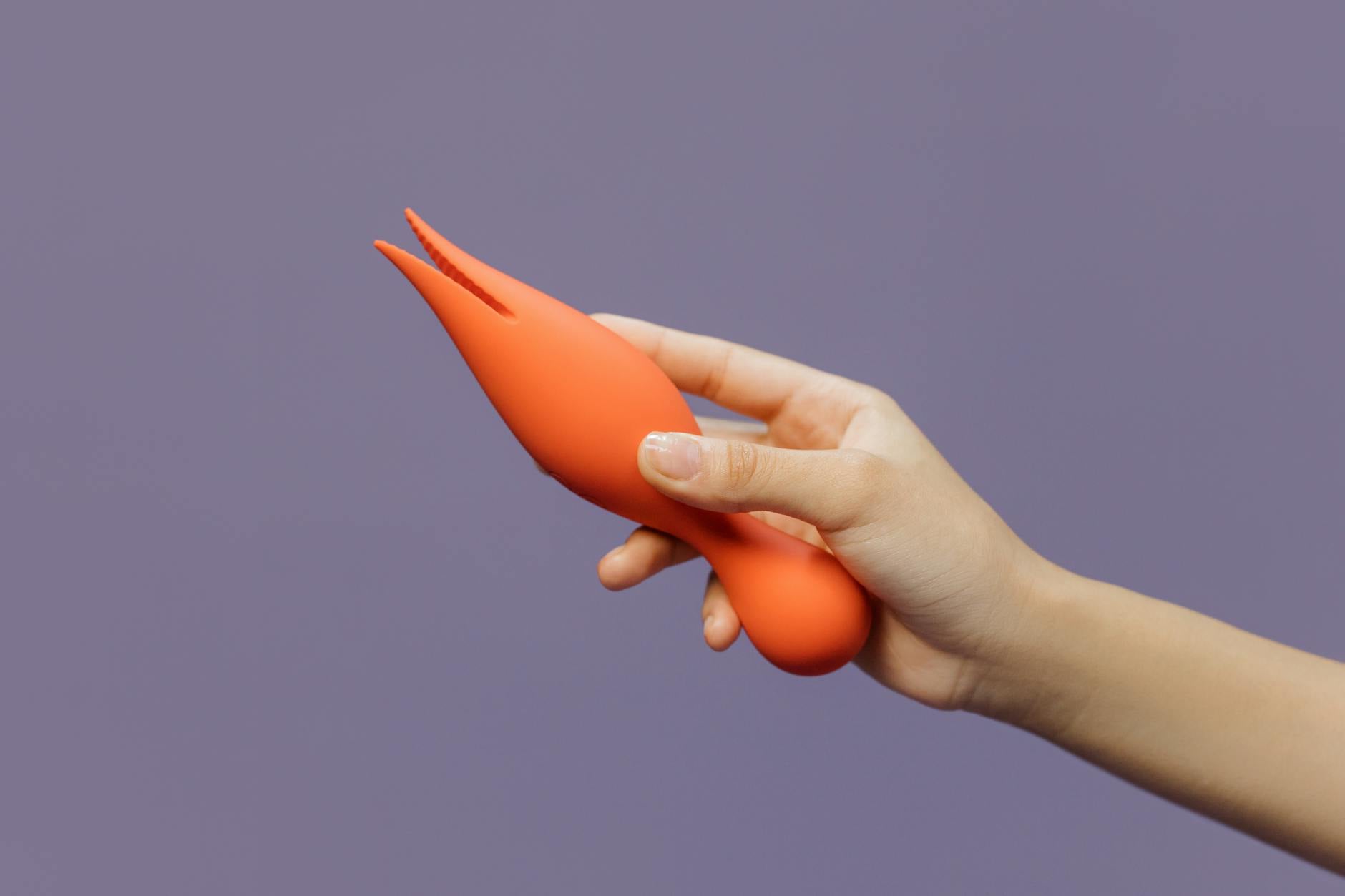
Photo by cottonbro studio on Pexels
Why pattern matters more than power
One reason the Lem works so well for multiples is the pulsing patterns. Constant high-intensity buzzing trains your body toward a single explosive release. Patterns that pulse and pause train your body toward sustained arousal. This is why many people find they can get multiples with the Lem but not with a basic bullet vibrator, even though the bullet vibrates "faster."
The pattern essentially teaches your nervous system a different narrative about pleasure: not "build to explosion" but "build, release, float, rebuild." That narrative change is learnable, and it compounds over time. The first time you intentionally build two orgasms in one session, your body is working hard. By the fifth or sixth time, it's familiar. By the twentieth, it's automatic.
The emotional layer
This is the part that trips people up. If you come from a background where you were taught that you should be "satisfied" after one orgasm, or that wanting more is greedy, or that multiples are something only "other women" experience, you're going to sabotage yourself without meaning to. You'll get close to a second orgasm and something in your brain will pump the brakes because it doesn't feel "allowed."
Your pleasure is not a limited resource. Wanting multiple orgasms doesn't mean the first one wasn't good enough. It doesn't mean anything about your partner. It's just the shape of your nervous system and your body's capacity. Multiples are available to you if you want them, and wanting them is completely normal.
If you're partnered, it also helps to name this out loud: "I want to try building two orgasms in one session. I might be quiet and still between them, and that doesn't mean stop, it means keep going at a lower level." That clarity prevents the partner from misreading your recovery phase as discomfort.
People also ask
Can anyone have multiple orgasms, or is it genetic?
It's both. Some nervous systems naturally cycle faster than others, which is partly genetic. But almost everyone can learn multiple orgasms with the right technique and enough patience. It's not a talent you're born with. It's a skill. That said, some people genuinely prefer single deep orgasms to multiple smaller ones, and that's also completely fine. Multiples are an option, not an expectation.
How long should I wait between orgasms?
There's no universal number. Some people can build a second orgasm 60 seconds after the first. Others need 5-10 minutes. The recovery time gets faster the more you practice, which is why people who regularly pursue multiples often find they can compress that window over months. Start by giving yourself permission to take as long as you need. Speed comes later.
Does the lemon clitoral vibrator actually make a difference, or is it just the technique?
It's both again. You could technically build multiples with any vibrator, but air-suction toys like the Lem and other lemon vibrators make it easier because they stimulate more tissue and create pulsing patterns that align with how your nervous system naturally builds and releases tension. A basic bullet vibrator will work, but it's like learning to cook with a dull knife versus a sharp one. Possible, but unnecessarily hard.
What if I can get one orgasm but never a second no matter what?
That's usually about either pelvic floor tension, refractory period length, or a combination of both. Pelvic floor physical therapy (yes, that's a real thing) can shorten recovery time. Some people also find that extending the recovery phase helps: instead of 2 minutes, try 10. A longer pause sometimes resets your nervous system better than a short one. And if you genuinely can't or don't want multiples, that's valid too. Pleasure doesn't require a specific number.
Is there a best vibrator for multiples?
Air-suction vibrators tend to work better than traditional vibrators for this because of the pattern and the way they stimulate internal tissue. The Lem is specifically designed with patterns that support this kind of sustained play. That said, the best vibrator is the one you actually enjoy using, because pleasure is the only variable that matters.
What about sex with a partner while pursuing multiples?
This is trickier because timing has to align. If you're partnered, exploring multiples solo first gives you the roadmap. Once you know your rhythm and recovery window, bring that knowledge into partnered sex. Some couples use a vibrator as part of partnered play specifically to extend arousal and make multiples easier in the presence of another person. Communication about what you want is everything.
The long game
Multiples aren't a performance metric. They're just another expression of what your body is capable of. Some sessions will bring them easily. Other times you'll orgasm once and be completely satisfied. Both are fine. The point is having the option and understanding how to access it when you want it.
That's where a strategic approach with the right tool makes all the difference. An air-suction lemon vibrator teaches your nervous system a different pattern. Your body learns it's safe to stay aroused. You learn you can pause without losing it all. And once your nervous system gets the blueprint, multiples become less like a trick and more like your actual capacity.
If you want to explore this further or have specific questions about your body's response, reach out to us. We're here to help.