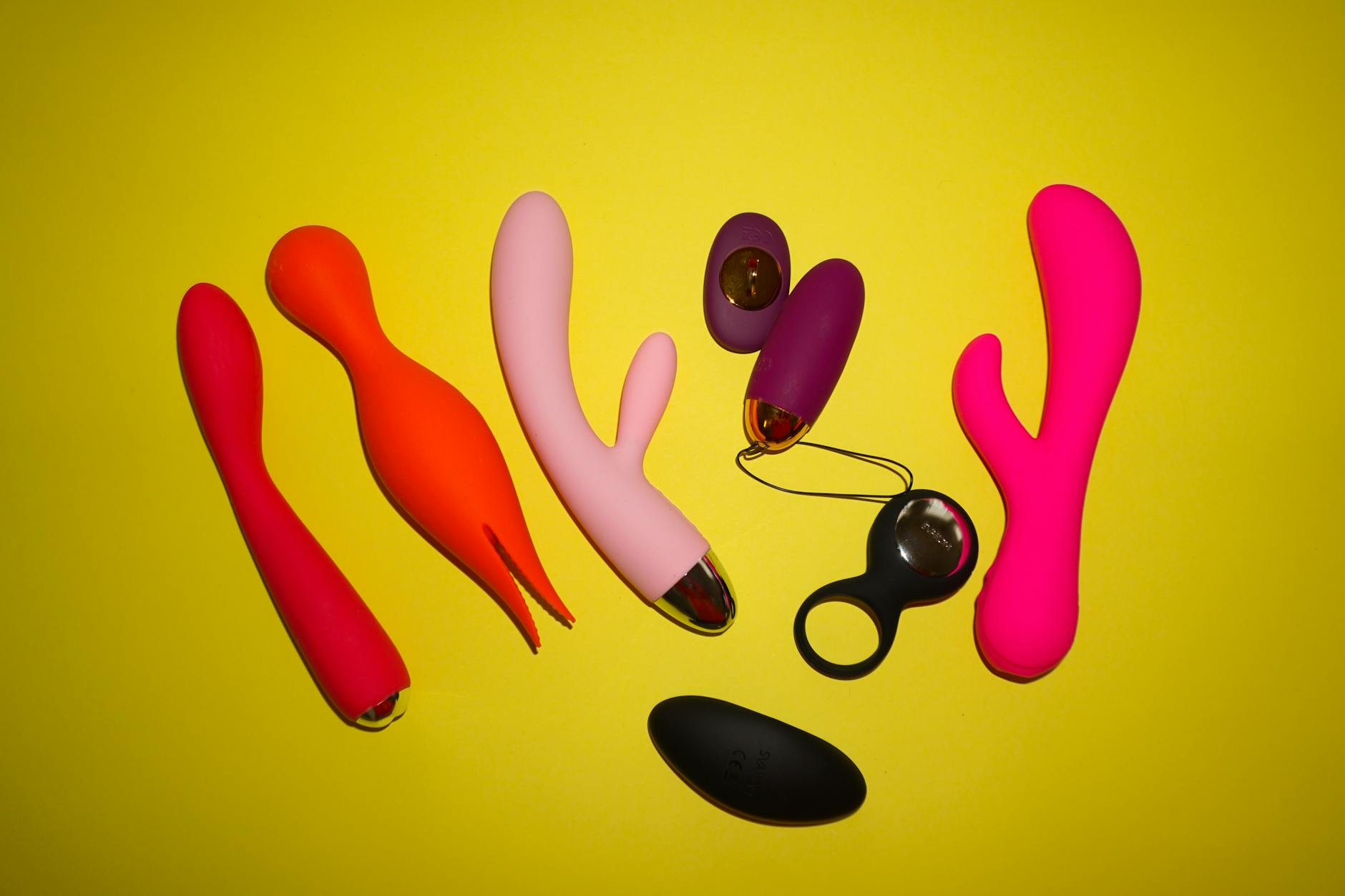
Let's be real about what turns 50
Your body changes after 50. That's not new information. What IS news: the change doesn't mean the end of pleasure. It means a recalibration. And honestly, most people find that side of 50 is when they finally know what they want.
I work with couples and individuals navigating midlife transitions daily. The conversation usually starts the same way: "I thought this part of my life was over." It never is. What's actually over is the apology for wanting good sex.
What shifts biologically (the non-dramatic version)
Estrogen drops. This is the real thing. It changes tissue thickness in the vulva, reduces natural lubrication, and affects how quickly arousal builds. Your clitoral tissue is thinner, more sensitive to friction, and sometimes needs longer warm-up time.
But here's what doesn't change: your nerve endings. Your capacity for orgasm. Your brain's ability to feel pleasure. You've also spent decades learning your own body. That's not a loss. That's an asset.
Many people over 50 report their most intense, satisfying orgasms happen after 50. This isn't sentiment. It's a pattern I see consistently in my practice. The difference is usually threefold: less distraction from hormonal cycling, more permission to prioritize your own pleasure, and finally, tools designed for what your body actually needs.
Why lemon vibrators work better for your tissue
A lemon vibrator (or other clitoral suction device) works through gentle air-pulse technology, not direct vibration. That matters after 50 because your clitoral tissue is more delicate. Direct vibration can feel overwhelming or even painful on thinner tissue.
Suction stimulation engages the same nerve clusters without mechanical friction. You get depth and intensity without grinding. The Lem, for example, uses a sealed cup that creates gentle pulses around the clitoris rather than against it. Think of it like the difference between a strong handshake and a firm hug. Same connection. Different feeling.
For tissue that's sensitive or tender, this distinction is everything. You can experience powerful orgasms without pain.
The prep work that makes everything better
Four things matter before you start:
Water-based lubricant is non-negotiable. After 50, natural lubrication is less reliable. A good water-based lube means you're not fighting dryness, which pulls you out of the moment. Silicone-based lubes feel luxurious but can damage silicone toys, so stick with water. Apply generously. Comfort is the fastest route to pleasure.
Longer warm-up changes everything. Where you used to need five minutes, budget 15 to 20 now. Your arousal is still there. It just takes more time to access. This isn't a problem. It's an excuse to slow down, which most people over 50 realize is the entire point of pleasure anyway.
Start with low intensity. The Lem has multiple settings. Start at pattern one or two and work up. Your tissue will signal what it wants. Listen to that signal instead of chasing what used to work.
Pelvic floor awareness matters. After 50, your pelvic floor muscles lose some elasticity and strength. Kegels help. But equally important is learning to relax the pelvic floor fully, which becomes harder as estrogen drops. Tension blocks pleasure. Relaxation unlocks it.
The emotional layer nobody talks about
Pleasure after 50 isn't just physical. It's wrapped up in permission.
If you spent your 20s, 30s, and 40s prioritizing a partner's pleasure, managing fertility anxiety, or just not thinking about sex as something for you, turning 50 can feel like a permission slip. Your kids might be grown. You might be single again. You're definitely done performing femininity for an audience.
That's the real shift. Your body changed, yes. But your right to pleasure got bigger.
If you're with a partner during this phase, the most useful conversation separates two things: "My body responds differently now" and "I want us to rebuild intimacy together." Confusing those two turns both conversations into unsolvable problems.
When your partner is part of this
If you're with someone, using a lemon vibrator together can feel vulnerable. Here's how to make it less awkward.
Start by making it about curiosity, not necessity. "I want to show you something that works for my body now" frames it as exploration, not a fix. Use it on yourself first while your partner watches. No performance. No pressure. Just you learning what feels good.
Many partners actually find it reassuring. It signals that pleasure is still part of the relationship. And honestly, watching someone experience real, uninhibited pleasure is one of the most intimate things you can share.
If your partner has ED or arousal changes of their own, a lemon vibrator is especially useful. It keeps you in the loop. You're not waiting for their body to cooperate. You're building a shared experience that works for both of you.
Sensitivity and comfort after 50
If you experience pain during sex or touch, stop and talk to your doctor. Genitourinary syndrome of menopause (GSM) is common and treatable. Topical estrogen creams can rebuild tissue resilience in weeks. This isn't something you have to live with.
If regular orgasms have stopped and aren't coming back, hormone therapy is worth discussing. Testosterone especially affects desire and arousal in people with vulvas. A menopause-informed GP can help you figure out what's right for your body.
Desire can also be affected by sleep, stress, medications, or relationship dynamics. If sensation feels blunted, start there before assuming it's permanent.
The permission part
Honestly though, the biggest shift after 50 isn't your tissue. It's that you finally believe you deserve to feel good. You stop apologizing for taking time for yourself. You stop performing for an imagined audience.
A lemon vibrator is just a tool. What matters is that you're using it for yourself. Your pleasure. Your orgasm. Your body, on your timeline, with your rules.
That's the real difference after 50. Not less capacity for pleasure. More capacity for claiming it.
FAQ
Can I use a lemon clitoral vibrator after 50 with no experience?
Absolutely. Start low and slow. There's no expectation that you know what you like yet. Many people over 50 are exploring their own pleasure for the first time without anyone else's needs in the equation. This is your chance to be genuinely selfish. It's the whole point.
Does lube matter more after 50?
Yes. Natural lubrication becomes less reliable, so water-based lube becomes essential rather than optional. Reapply as needed. Dryness isn't a reflection of desire. It's biology. Lube solves it.
What if a lemon vibrator feels too intense?
Start at the lowest setting and use plenty of lubricant. You can also try gentler contact: rest it on top of the clitoris rather than inserting it directly into the cup, or use it through fabric first. Let your tissue acclimatize. Intensity is always adjustable.
Can I use a lemon sucker if I've had hormone therapy?
Yes. Hormone therapy (whether topical cream or systemic) actually makes clitoral tissue more responsive to stimulation. A lemon vibrator can feel even better once tissue resilience improves. They work together well.
Should I tell my partner I want to use a clitoral vibrator?
If you're with someone, yes. Frame it as exploration, not replacement. Many partners find it exciting to be part of your pleasure. If you're single, you don't owe anyone an explanation. Your pleasure is yours.
What if I have trouble with orgasms after 50?
Orgasm takes longer to build after 50, and the sensation sometimes feels different. That's not dysfunction. That's recalibration. Extended warm-up, patience with your body, and a tool like a lemon vibrator designed for your tissue all help. If orgasms have stopped entirely and you want them back, talk to a menopause-informed doctor. Hormone options exist.
Your pleasure isn't behind you
After 50, your body deserves the same attention to pleasure it gave to everyone else for decades. A lemon vibrator is engineered for what your tissue actually needs. Lube solves the lubrication shift. And permission? That's on you. Claim it.
If you're navigating relationship changes alongside body changes, that's worth talking through with someone trained in midlife dynamics. Your pleasure, your body, your timeline. Everything else is just logistics.