The conversation is the whole thing
Honestly, the vibrator itself is the easy part. The conversation is where couples get stuck. You're thinking "What if they think I'm not satisfied?" or "What if they feel replaced?" or "What if they shut down?" Those fears are real, but they're also based on a script nobody actually follows.
Here's the difference between a conversation that works and one that tanks. A conversation that tanks goes like this: you bring it up after sex, in bed, when vulnerability is already high. You probably frame it as "I want to try something" without context, and your partner hears it as criticism. A conversation that works happens outside the bedroom, on your terms, with zero pressure attached.
I've worked with hundreds of couples navigating this exact moment. The ones who move through it smoothly do one thing differently. They treat the introduction as information sharing, not a negotiation.
Why you're probably overthinking this
Your partner likely isn't as resistant as you fear. Research from the American Sexual Health Association shows that 56% of people in relationships have used sex toys together or would be open to it. The barrier isn't disgust or jealousy. It's usually confusion. They don't understand what the vibrator does, why you want it, or what their role is supposed to be.
Remove the confusion and you remove most of the resistance.
Here's what I tell couples: frame this as an addition, not a replacement. A lemon clitoral vibrator like the Lem isn't supposed to do what a partner does. It's supposed to do what stimulation alone can't. That's a completely different conversation than "I want something different from you."
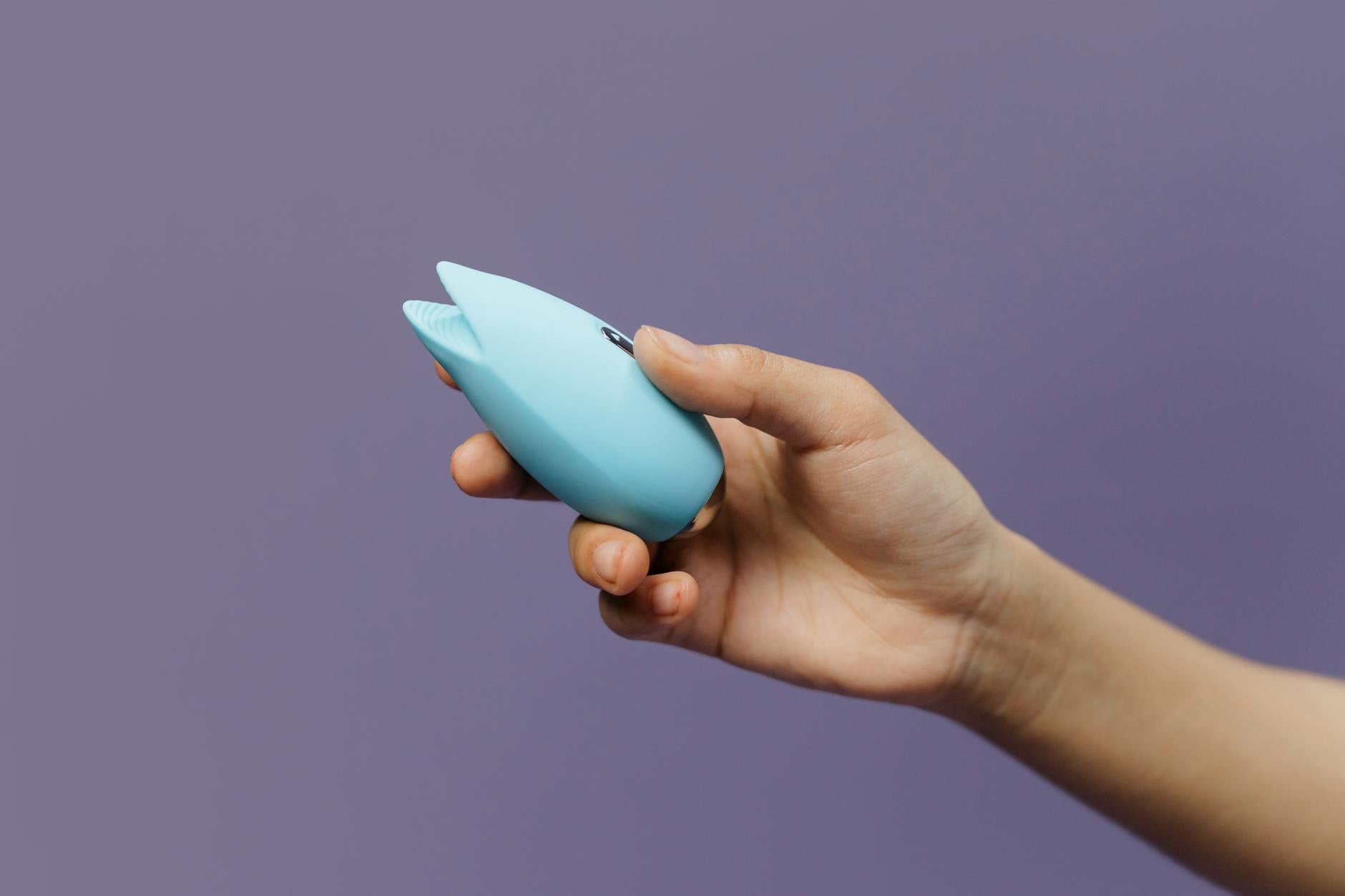
The Lem in particular is useful here because it's elegant, small, and doesn't look clinical. It looks like the kind of design object they might see in a modern home. That softness matters psychologically. A sleek suction vibrator reads differently to most people than a traditional wand.
The three-part conversation that actually lands
Part one: the setup. You're not asking permission. You're sharing information. Pick a moment that's neutral, calm, and outside the bedroom. "Hey, I've been thinking about something I want to try. Can we talk about it?" That's it. You're creating space, not creating pressure.
Part two: the specifics. "I want to try using a clitoral vibrator with you. It's designed to stimulate a very specific area in a way that fingers or other things can't replicate. I think it could be fun for both of us, and I wanted to know if you'd be open to trying it together." Notice what you're doing here: you're explaining what it does (that's the information clearing), you're emphasizing the "together" part (that's the inclusion), and you're asking about openness (that's removing pressure).
If they ask questions, answer them straight. "Would you feel replaced?" No, because it does one specific thing. "Do I need to do anything differently?" No, we figure that out together. "Why do you want this?" Because I think it would feel good and I want to explore that with you.
Part three: the agreement. "Let's try it next time we're together, and if it doesn't work, we just won't do it again. No judgment, no pressure." That's the off-ramp. They need to know they can say no without consequences. Paradoxically, giving them a clear exit makes them more likely to say yes.
The setup that eliminates awkwardness
When you actually do this, timing matters more than you'd think. Have it on the nightstand before you get intimate. Don't reach for it mid-sex like a surprise. That reads as impulsive and can feel jarring.
Start your intimate time the way you normally do. Build arousal, get comfortable together. When you're both warm and engaged, not right at the edge, pause gently and say something like "Want to try that thing we talked about?" Keep it casual. You're not building theater around it.
Then hand it to them if they want to hold it. Many partners feel less anxious when they have control of the object itself. They can set the intensity, they can explore how it works, they're not just watching something happen to you. That agency shifts the whole dynamic from "my partner is using this on me" to "we're trying this together."
Start on the lowest setting. The Lem has multiple intensity levels for exactly this reason. A new vibrator can feel overwhelming at full power, especially if neither of you has used one before. Let them feel what the gentler patterns do. Let them see your response. That feedback loop is what builds comfort and, honestly, arousal for them too.
What to do if they're still hesitant
Some partners need to see it work before they'll buy in. That's fair. You can use it alone and invite them to watch without pressure. Showing them, in your own pleasure, that this is something you genuinely enjoy, shifts the frame from "this is weird" to "okay, I see why this appeals to you."
Otherwise, don't force it. A partner who feels coerced into trying something sexual will have a terrible experience, and you'll both resent it. The goal isn't to convince anyone. The goal is to explore together if they're willing.
If they flat-out say no, that's information. You can circle back in a few months. Sometimes hesitation is just unfamiliarity wearing off over time. You can also explore using a lemon clitoral vibrator on your own, and that groundedness often softens a partner's resistance naturally.
The pleasure part, once they're actually in
You've introduced the vibrator, they've agreed to try it. Now what actually happens?
Let them set the pace. They can use it on you while you're together. You can use it while they're touching you elsewhere. You can both explore what intensity level and patterns feel best. The Lem's suction design is gentler than traditional vibrators, which often helps partners feel less intimidated. It's less "mechanical" and more "present with you."
Some partners discover they actually enjoy the sensations it creates for you. Watching arousal building, seeing you respond, feeling your body respond to stimulation. That's a form of intimacy a lot of people haven't experienced. They're used to sex being something reciprocal and simultaneous. This is different. It's witnessing and participating without performing.
Others just want to know it's available if you want it. Not every couple needs to use toys together regularly. The point is that the tool exists, you've removed the shame around it, and you've created space for exploration.
When to bring it up again if the first time went nowhere
If the introduction landed but the actual experience felt awkward, that's normal. Sex with a new element is clunky at first. You're both figuring out logistics, comfort, what feels good. It takes a few times.
If your partner says no and seems firm, don't table it forever, but do respect the no for now. Circle back in a few months with something like "I'm still interested in trying that. Want to talk about what felt weird before?" Usually it's something concrete you can solve. "It felt clinical." Okay, we can make it feel less that way. "I didn't know what to do with my hands." Let's figure out what works.
The difference between an obstacle and a dealbreaker is whether you can talk about it. Most introductions to new toys aren't dealbreakers. They're just conversations that need a second round.
If you're the partner being introduced to toys
If you're reading this because your partner wants to bring up vibrators and you're feeling nervous, you're not behind. You're thoughtful enough to read about it first. That's already two steps ahead.
Remember: a vibrator is a tool, not a replacement. It's not a commentary on you. It's an addition. You don't have to love it immediately. You can try it once and decide it's not for you. You can also try it and discover you actually really enjoy the sensations and the intimacy it creates. Most people land somewhere in the middle. It's just another thing you do sometimes.
If your partner brings this up diplomatically, they're showing vulnerability. They're asking you to explore something with them. That's actually a gift, even if it feels weird initially.
FAQ
What if my partner thinks a vibrator means I'm not satisfied with them?
This is the most common fear and the easiest to address directly. Say it out loud: "This has nothing to do with you or whether I'm satisfied. It does one specific thing. I want to experience that, and I want to experience it with you." If they push back, ask what specifically feels threatening. Usually it's not the vibrator. It's something about how they feel in the relationship that needs a different conversation.
Is there an age where introducing toys gets harder?
Partners who grew up with different messaging about sex sometimes have different comfort levels. Older partners, partners from conservative backgrounds, partners who were taught that toys are "cheating"—they might need more time. The conversation is the same. The timeline might just be longer. It's not impossible.
Should I ask permission before buying a vibrator, or just present it as a done deal?
Present it as a proposal, not a surprise. "I want to get this vibrator. Would you be open to trying it together?" That's collaborative. Surprising your partner with a vibrator without discussion, even with good intentions, often lands as presumptuous. They didn't consent to that item being in your intimate space.
What if they want to use it during sex and I'm not sure about the sensation?
Speak up immediately. Stop, regroup, try something different. There's no prize for powering through discomfort. The whole point is pleasure. If the sensation isn't working, intensity is too high, angle is off, or timing is wrong, you fix it together. That problem-solving is actually intimate.
Can a partner use a clitoral vibrator on me if they've never used one before?
Absolutely. Start slow, let them feel how it works in their hand, show them what patterns and intensities feel good. Most people pick it up quickly. It's less complicated than it seems. The learning curve is usually one or two uses.
What if I bring this up and they shut down completely?
Give them space. Don't make them wrong for being uncomfortable. Revisit it in a few months without judgment. Sometimes people need time to metabolize new ideas about sex. Sometimes they need to hear it from someone else, or read about it, or just let the unfamiliarity wear off. If they remain completely closed to it after multiple conversations, that's information about your compatibility. It doesn't mean one of you is broken. It just means you might have different edges around exploration.
The reality
Most partners who are hesitant at first either come around or get neutral about it. Very few remain actively resistant once the shame is removed and they understand what the vibrator actually does. The conversation is almost always scarier than the reality.
Your partner likely wants you to feel good. They might just need permission to think about sex toys as something other than threatening. That permission is yours to give, by bringing it up calmly, explaining it clearly, and treating it as an option, not an ultimatum.
Start the conversation outside the bedroom. Keep it simple. Listen to their concerns without getting defensive. And remember: willingness to explore together, even when it feels awkward, is its own kind of intimacy.