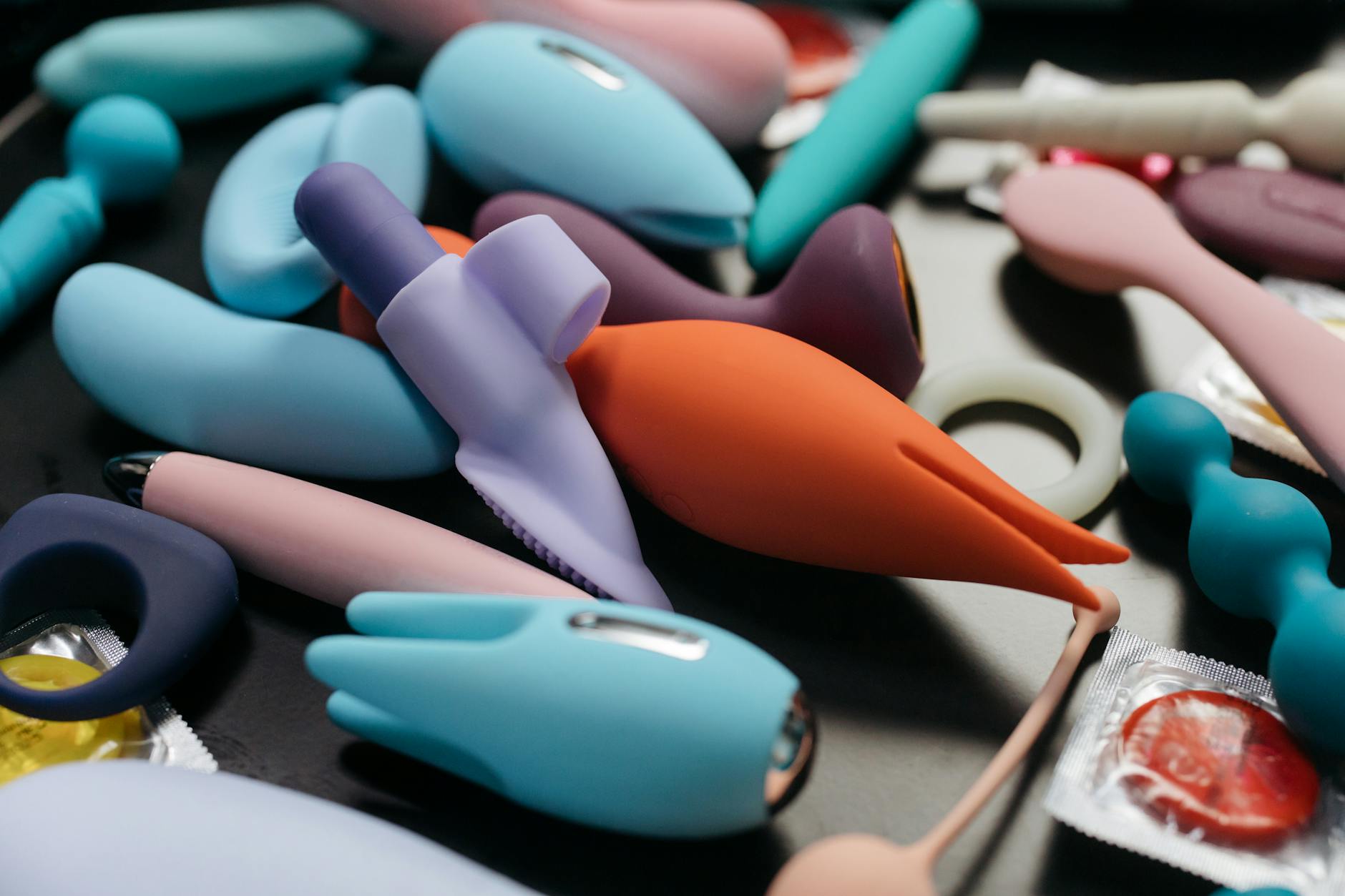
Here's what nobody tells you about getting better
Antidepressants save lives. They also, for many people, flatten sexual sensation. You survive the depression. Your mood stabilizes. You start to feel human again. But somewhere around week four or eight on your new medication, you realize you can't feel much of anything down there. Orgasms take forever, or they don't come at all. Touch feels like it's happening through a wet blanket.
Then one day, you adjust your dose, or you switch medications, or your brain chemistry just recalibrates. And sensation starts creeping back. Suddenly that feeling is returning. But it's unfamiliar. Your body is waking up like it's meeting itself for the first time.
That's where a lemon clitoral vibrator comes in. Not as a magic fix, but as a patient, responsive tool for reconnecting with what you thought you'd lost.
Why sensation numbness happens (and why it comes back)
Most SSRIs and SNRIs work by increasing serotonin and norepinephrine in your brain. That's what steadies your mood. But those same neurotransmitters control sexual response. So while your medication is doing its job fighting depression, it's also dampening the neural signaling that drives arousal and orgasm.
This isn't a failure of your body. It's not a character flaw. It's biochemistry doing exactly what it was designed to do.
When you change medications, lower your dose, or your body adapts to your current medication, that sensation can return. Sometimes quickly. Sometimes gradually, over weeks. And when it does, you're not starting from zero. Your nervous system remembers what pleasure feels like. It's just rusty.
The first thing to understand about reconnection
Your clitoris didn't forget how to feel pleasure. Your nervous system just got very quiet for a while. Reawakening that connection isn't about forcing arousal or pushing your body to perform. It's about gentle, gradual exposure that lets your nervous system register sensation without pressure.
That's exactly what a lemon sucker vibrator excels at. The design uses gentle suction rather than aggressive vibration. This means you can start at the lowest setting and let sensation build naturally, at a pace your recovering nervous system can actually process.
Many people returning to pleasure after antidepressant-related numbness report that traditional vibrators feel either too intense or completely disconnected from their body. A lemon vibrator bridges that gap because you have precise control and the sensation pattern is uniquely responsive to your touch.
How to start when sensation is still uncertain
First, give yourself at least a week of taking your medication as prescribed before you try this. Your body needs stability to reliably feel anything.
Then, approach it like you would approach a cold pool. Not a cannonball. A toe at a time.
Start in a quiet moment when you're not trying to achieve anything. No goal of orgasm. No timer. No pressure. Set aside maybe twenty minutes where you're not expecting results, just information.
Begin with your lemon vibrator on the lowest pattern setting. Touch it briefly to your outer labia. Not your clitoris directly yet. Just the surrounding area. Notice what you feel. Is there numbness? Is there tingling? Is there nothing? All of that is valid data.
Wait a full minute between touches. This sounds slow. It is slow. But your nervous system after antidepressant numbness needs this pacing. You're asking your body to remember a conversation it couldn't hear for months.
After several sessions of this, you can move toward direct clitoral contact. Start on pattern one. This takes longer. You might need four to six sessions of gradual introduction before you feel anything you'd call arousal. That's completely normal and actually a sign your nervous system is healing properly.
When sensation comes back faster than expected
Some people switch medications and feel restored sensation within days. If that's you, you might be tempted to jump straight to the intensity level you remember enjoying before.
Don't.
Your clitoris is sensitive right now. The tissues have been undersensitive, but the nerve density is still intact. When sensation floods back, direct high-intensity stimulation can feel overwhelming or even painful. Your brain can't process the signal.
Instead, use the lemon vibrator's pattern variety. Lemon's suction design means you can explore different pattern combinations without changing the total intensity. Spend time with patterns you've never tried. This keeps your nervous system engaged and curious instead of overstimulated.
The role of patience in your recovery
One of the hardest things about depression and its treatment is the loss of pleasure. Your medication took away one of the reliable sources of joy and stress relief available to you. When sensation starts returning, it's tempting to grab it greedily, to demand that your body perform the way it used to.
But your nervous system doesn't respond to demands. It responds to consistency and safety. Use your lemon vibrator as a conversation with your body, not a performance demand.
If you have a partner, this is worth explaining to them explicitly. "I'm reconnecting with sensation as my medication adjusts. This is about me learning my body again, not about us yet." That boundary matters. Many people find that when they stop trying to have orgasms on schedule, orgasms return naturally.
If you're solo, give yourself the same grace. Some days you'll feel sensation. Some days you won't. Both are fine. You're rebuilding a relationship with your own body. That takes time.
Managing expectations around orgasm
When sensation returns after antidepressant numbness, orgasm doesn't always come back immediately. You might feel arousal building. You might feel pleasure. But the final release might still feel distant.
This is frustrating and completely common. Here's what helps: stop chasing the orgasm. Use your lemon vibrator to experience sensation for its own sake. Arousal without orgasm is still pleasure. Clitoral engagement without climax is still intimate reconnection with your body.
Often, when you remove the pressure to come, orgasm follows naturally. Your brain stops trying to perform and just experiences what's actually happening. The lemon vibrator helps this because its suction pattern is absorbing rather than demanding. You can stay with the sensation without needing to escalate.
What to do if sensation isn't returning
Sensation usually comes back within two to four weeks of a medication change. If eight weeks have passed and you're still numb, that's worth discussing with your prescriber. Sometimes a lower dose helps. Sometimes a different medication class works better for you. Sometimes you need to stay on your current medication because it's the one keeping you stable, and that's the right choice even if pleasure takes longer.
There's no shame in that. Your mental health comes first. Always.
If your prescriber suggests staying on your current medication long-term and you're resigned to reduced sensation, talk to them about topical options. Some people use numbing creams on the clitoris first, then a lemon vibrator to build sensation beneath the numbness. It sounds counterintuitive, but it works for some nervous systems.
Weaving pleasure back into your life
Once sensation is returning steadily, you can start using your lemon vibrator with intention toward arousal and orgasm again. But keep one thing from the early phase: the patience.
Budget time. Slow arousal is still real arousal. A lemon vibrator excels here because you can spend twenty, thirty, forty minutes with it and feel like time well spent, not like you're grinding away toward a goal.
If you have a partner and want to reintegrate sex into your relationship, explore this angle carefully. Your partner might have developed their own relationship with your reduced sexuality while you were medicated. Bringing pleasure back is about both of you adjusting, not just you recovering.
Many couples find that reintroducing sensation together, with a tool like a lemon clitoral vibrator, rebuilds intimacy in ways that benefit the whole relationship. You're not just getting your body back. You're creating new pleasure together.
When you're ready to move forward
Recovering sensation after depression treatment is a milestone worth honoring. You got through the hardest part. Your body is healing. A lemon vibrator isn't a shortcut through that process. It's a patient, responsive companion for it.
Trust the timeline your nervous system sets. Use your body's feedback to guide what intensity, duration, and pattern work best. And remember that this reconnection is about you rebuilding trust with yourself. That takes time. And it's absolutely worth it.
When you're ready for more guidance on pleasure restoration, read about how slow arousal can actually be your body's strength. The skills you're building now translate across every stage of life.
People also ask
How long does it take for sensation to return after stopping antidepressants?
Most people experience a return of baseline sensation within two to four weeks of a dose reduction or medication change. Some notice shifts within days. Others take six to eight weeks. This depends on which medication you were taking, how long you were on it, your individual brain chemistry, and whether you're switching to a different medication or stopping entirely. If you're eight weeks out and still numb, check with your prescriber about whether your current approach is still the right one.
Is it normal for orgasms to feel different when sensation returns?
Completely normal. Your nervous system has been through a significant shift. The pathways that drive arousal and orgasm are "remembering" how to fire in sequence. Some people describe the first orgasms after medication adjustment as feeling shallower or more localized than before. Others say they're more intense. Your clitoris hasn't changed. Your nervous system's relationship to sensation has. Give it a few weeks of exploration before you decide whether the difference is good or bad.
Can I use a lemon vibrator while I'm still on medication that causes numbness?
Yes, though the experience might feel frustrating. Some people use it anyway because the ritual and the touch still register as self-care, even if sensation is muted. Others find that starting when sensation is already returning feels more rewarding. There's no wrong answer. If you're curious, try a few sessions at low intensity and notice what your body tells you. You're not wasting time. You're gathering information about what your body needs.
Should I tell my partner about the sensation changes?
If you have a partner, yes. This is relevant information about your body and your experience. You don't need to turn it into a medical report. Something like "My medication adjustment is bringing sensation back. I might want to explore that on my own for a bit before we dive back into sex together" is enough. This prevents misunderstanding and also gives your partner context if they've noticed changes in your responsiveness.
What if sensation returns but my desire doesn't?
Depression doesn't just flatten physical sensation. It also suppresses libido at a deeper neurological and psychological level. Sensation and desire are separate systems. You can have sensation returning while desire is still quiet. That's not a failure. Keep using your lemon vibrator gently if it feels good, but don't push for desire to show up on a timeline. Desire often returns when you're no longer trying to force it. If desire stays low eight weeks after your medication adjustment, mention it to your doctor. Sometimes a dose adjustment or medication switch helps. Sometimes you need more time.
Is it okay to use a lemon clitoral vibrator for solo exploration while my partner waits?
Yes. Reconnecting with your own sensation is foundational. It teaches you what your body responds to, what intensity works, and what pleasure feels like for you now. That information makes partnered sex better, not worse. Take the time you need to be alone with your body. Your partner will benefit from that self-knowledge too.
Resources and further reading
If you're navigating depression treatment and sexuality, these evidence-based resources help:
American Psychiatric Association on sexual side effects and medication adjustment strategies.
The Gottman Institute has specific guidance on rebuilding intimacy after medical or mental health transitions in relationships.
Your prescriber remains your most important resource. If you're experiencing persistent numbness, don't suffer silently. Medication adjustment is common and often straightforward.